
 Aura Kasih
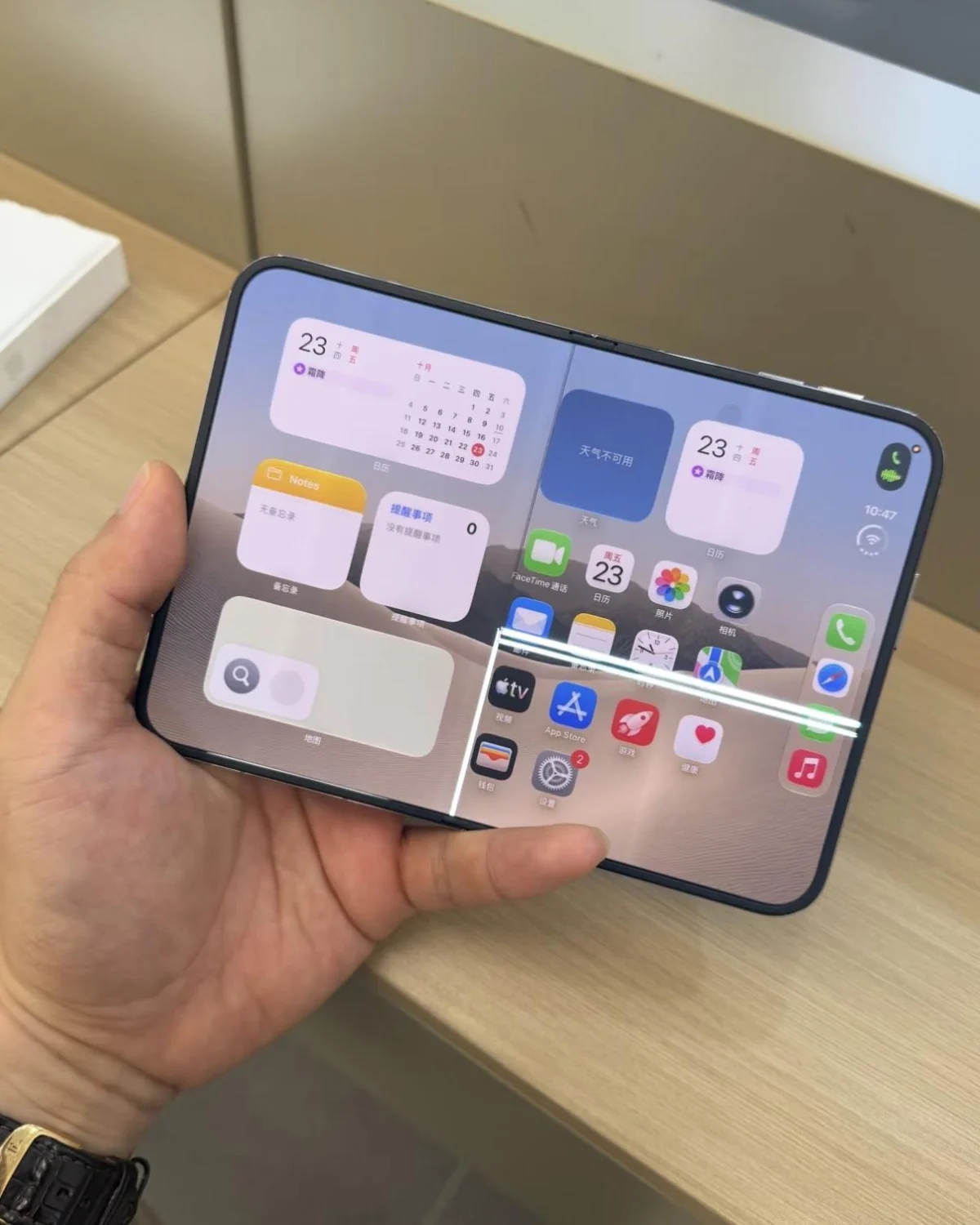
A recent teardown by a prominent tech influencer has illuminated a potential design vulnerability within the iPhone Duo’s sophisticated hinge mechanism, suggesting it may be the root cause behind the perplexing screen cracking issues plaguing early adopters of the innovative foldable device.
The digital landscape has been abuzz with concerns surrounding Apple’s latest foray into the foldable smartphone market, the iPhone Duo. Anecdotal evidence and user-submitted reports, primarily surfacing on dedicated online forums and social media platforms, indicate a troubling trend of premature device failure, specifically manifesting as cracked internal displays. While Apple has yet to issue a formal statement or acknowledge a widespread defect, the sheer volume and consistency of these reports warrant a thorough investigation into the device’s internal architecture. The emergence of detailed analyses, such as the recent dissection performed by tech YouTuber CuriousHagi, offers a crucial window into the potential mechanical underpinnings of this emerging "crackgate" phenomenon.
The Genesis of the Problem: A Microscopic Examination of the Hinge
The iPhone Duo’s defining feature, its dual-screen design, is enabled by a complex and intricately engineered hinge. This mechanical marvel allows the device to transition seamlessly between a compact, pocketable form factor and an expansive, tablet-like display. However, it is precisely within this critical component that the seeds of the reported failures may lie. CuriousHagi’s meticulous teardown process, documented for his audience, revealed a multi-stage hinge assembly. This assembly comprises a central, gear-like mechanism responsible for the primary articulation, supported by two distinct sets of linking hinges.
The focal point of the investigation lies within one of these linking hinges. Analysis of the disassembled components highlighted a specific section of this linking hinge that is notably thinner than its adjacent counterparts, both superior and inferior. This reduction in material thickness appears to create a localized stress concentration point. Compounding this potential weakness is the presence of a small, precisely machined notch within this thinner segment. Such notches, while often incorporated for manufacturing precision or to facilitate assembly, can inadvertently become stress risers, areas where mechanical forces are amplified, making the material more susceptible to fracture under repeated strain or impact.
Further examination of the disassembled hinge components revealed subtle but significant abrasion marks. These marks were observed on the hinge’s interface with the device’s internal support plate. This physical evidence suggests a scenario where the hinge, during its operational cycle, may be experiencing intermittent contact or even snagging against the support structure. Such an interaction, particularly if it occurs repeatedly or with a degree of force, could introduce micro-stresses into the already vulnerable notched section of the hinge. Over time, these cumulative stresses, amplified by the inherent weakness of the design, could lead to the eventual fatigue and fracture of the hinge component.
The Cascade Effect: From Hinge Failure to Screen Catastrophe
The direct consequence of a fractured hinge component is not immediately apparent as a catastrophic failure. Instead, it initiates a chain reaction that ultimately impacts the integrity of the internal display. When the weakened hinge link buckles or seizes, it exerts uneven pressure on the delicate internal screen. The internal display of a foldable device is engineered to withstand repeated folding and unfolding, but it is not designed to tolerate localized, asymmetrical forces.

The reports of cracks appearing predominantly in a specific area of the screen are highly indicative of this mechanical cause. As the hinge falters, it can cause a sudden or sustained point of pressure on the display’s surface, leading to a fracture. The audible "crack" reported by some users further supports this hypothesis, suggesting a moment of mechanical failure within the hinge that directly translates into physical damage to the screen. The consistency of the failure location across multiple reports strongly suggests a systemic design issue rather than isolated incidents of user error or manufacturing defects in individual units.
Broader Implications for Foldable Technology and Consumer Trust
The potential implications of this identified hinge weakness extend beyond the immediate concern for iPhone Duo owners. The foldable smartphone market, while still nascent, represents a significant frontier in mobile technology. Devices like the iPhone Duo are designed to push the boundaries of innovation, offering users novel functionalities and form factors. However, for this market to mature and gain widespread consumer acceptance, reliability and durability are paramount.
If a flagship device from a company as reputable as Apple suffers from a fundamental design flaw that leads to premature failure, it can erode consumer confidence in the entire foldable category. This could translate into hesitation from potential buyers, increased return rates, and a general perception of foldables as fragile or unreliable devices. For manufacturers, this underscores the immense engineering challenges inherent in creating durable and dependable folding mechanisms. It highlights the critical need for extensive stress testing, material science advancements, and rigorous quality control processes to ensure that these complex components can withstand the rigmarole of daily use.
The Path Forward: Apple’s Response and Future Innovations
The onus now falls on Apple to address these concerns transparently and effectively. A formal acknowledgement of the issue, followed by a clear plan for remediation, would be a crucial step in rebuilding consumer trust. This could involve providing affected users with free repairs or replacements, and critically, implementing design revisions in future iterations of the iPhone Duo or other foldable devices.
From an engineering perspective, addressing the identified hinge weakness could involve several avenues. Strengthening the critical linking hinge component through the use of more robust materials or a revised structural design is a primary consideration. This might involve increasing the thickness of the vulnerable section, redesigning the notch to mitigate stress concentration, or employing advanced composite materials with superior tensile strength. Furthermore, optimizing the interaction between the hinge and the support plate to prevent any unintended contact or friction could also be a key area for improvement.
Beyond immediate hardware fixes, this situation also presents an opportunity for advancements in display technology. While the hinge is identified as the potential culprit, the durability of the internal display itself in the face of mechanical stress is also a factor. Future foldable displays may incorporate enhanced protective layers or structural designs that offer greater resilience to localized pressure.
The "crackgate" incident, while undoubtedly frustrating for early adopters, serves as a valuable learning experience for the burgeoning foldable smartphone industry. It underscores the delicate balance between groundbreaking design and practical, long-term usability. As technology continues to evolve, the ability of manufacturers to anticipate and mitigate such mechanical vulnerabilities will be a defining factor in the success and widespread adoption of innovative form factors like foldable displays. The coming months will reveal how Apple, and the broader industry, chooses to respond to this challenge, setting a precedent for the future of mobile device engineering.




 Safa Marwah

 Ayu Aulia


 Lisa Mariana
