
 Aura Kasih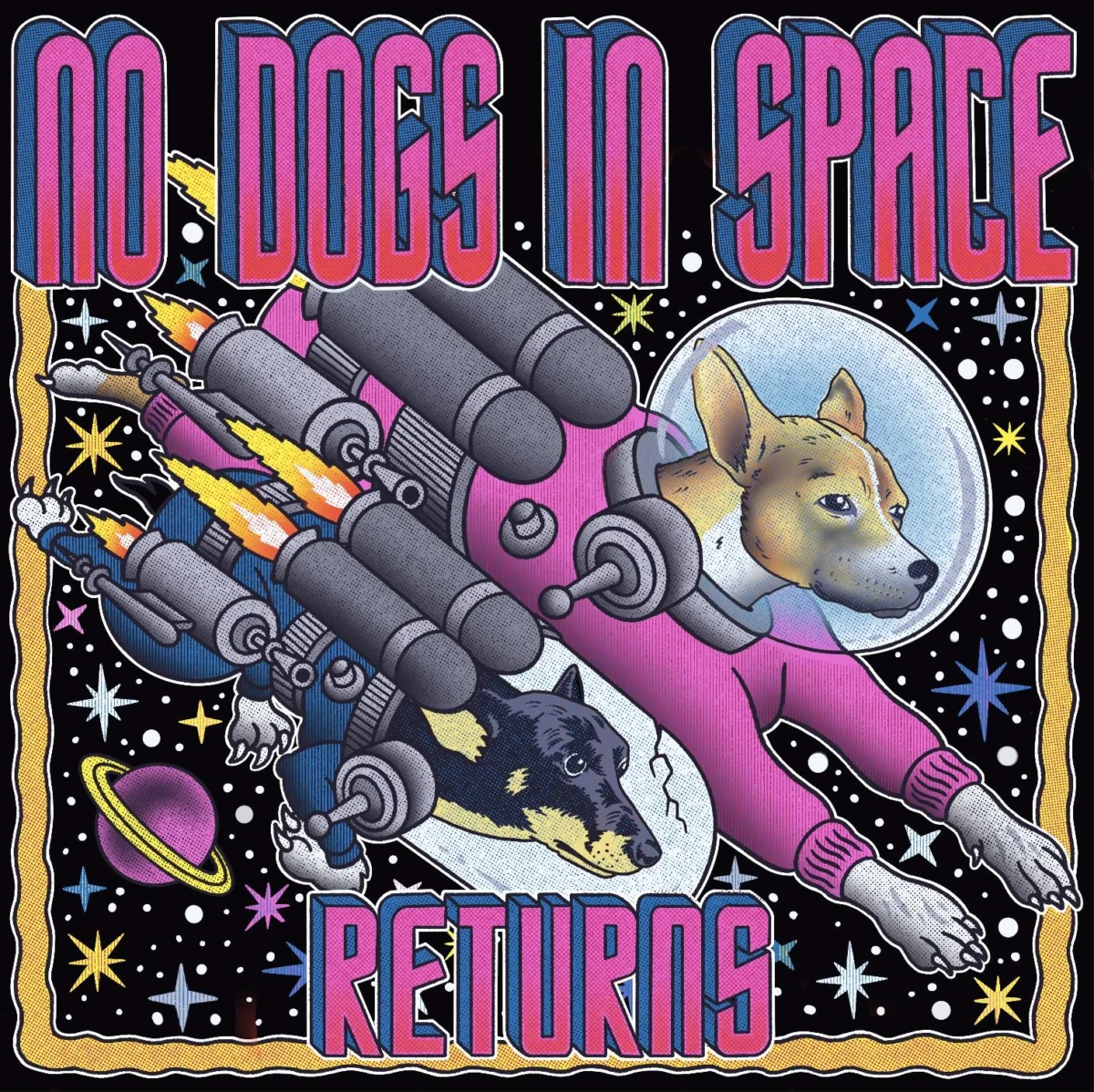
The acclaimed music history podcast, No Dogs in Space, has re-emerged from a hiatus, much to the delight of audiophiles and history buffs, with its highly anticipated fourth season, "Punk 2.0." Hosted by Carolina Hidalgo and Marcus Parks, the show’s return heralds a deliberate return to its foundational passion: the raw, rebellious, and often chaotic origins of punk rock. This new season kicks off with an in-depth exploration of the New York Dolls, a seminal band whose influence reverberates through the annals of rock and roll, particularly for those with a connection to the city’s vibrant musical landscape.
The decision to focus on punk rock for this season stems from a strategic reassessment of the hosts’ strengths and deepest interests. While Parks acknowledges a broader curiosity for musical epochs, citing a past inclination towards exploring figures like Beethoven, the duo ultimately recognized that their unique expertise and narrative prowess are most potent when dissecting the multifaceted world of punk. This is not an attempt to definitively chart "the" punk story, but rather to illuminate "a" punk story, emphasizing that the most compelling narratives often emerge from the unpretentious, experimental spirit of artists, frequently characterized by Parks as "art school kids fucking around." This philosophical underpinning allows No Dogs in Space to move beyond mere biographical accounts and delve into the cultural and artistic forces that shaped these groundbreaking movements. The extensive linguistic efforts undertaken for previous seasons, particularly the translation of German texts for their experimental rock series, highlighted a recurring theme: the foundational simplicity of artistic rebellion, often rooted in youthful experimentation.
The path to "Punk 2.0" was not without its detours and challenges, underscoring the rigorous research and editorial process inherent in the podcast’s production. Initial plans for the new season involved an extensive examination of the Washington D.C. punk scene. This ambitious undertaking, which consumed over six months of dedicated work, was slated to commence with an episode dedicated to the Bad Brains. However, during the research phase, significant ethical considerations arose. Hidalgo detailed that upon deeper investigation, the band’s publicly documented homophobic stances presented a formidable obstacle, posing a significant challenge to the podcast’s commitment to exploring its subjects with nuance and critical awareness. While No Dogs in Space has never shied away from discussing the problematic aspects of the artists it covers, the extent of these issues with the Bad Brains proved to be a narrative hurdle too significant to overcome for a foundational episode.
Following this pivot, the hosts attempted to broaden their scope to encompass the entirety of the D.C. scene. Hidalgo cautioned against such an expansive approach, warning that "you can’t do that." Parks elaborated on the inherent difficulties, explaining how the project "just kept swelling larger." The D.C. punk ecosystem proved to be inextricably linked with a wider array of influential figures and genres that, while not strictly part of the punk movement, played crucial roles in its development. The inclusion of artists like Chuck Brown, a pioneer of go-go music, and the exploration of institutions such as Georgetown University’s WGTB radio, which held significant cultural sway, demonstrated the intricate web of influences. The sheer volume of interconnected narratives made a cohesive season impossible. After an eight-month intensive effort, the hosts were compelled to acknowledge the project’s infeasibility, admitting, "we eventually had to admit defeat." This experience, however, was not entirely without its rewards. The research yielded sufficient material for a two-part series on the influential guitarist Link Wray, which is slated for release later in the year, showcasing the productive, albeit sometimes indirect, outcomes of their exhaustive investigations.

Beyond the central narratives, the intrinsic appeal of No Dogs in Space lies in its capacity for serendipitous detours and the hosts’ unbridled enthusiasm for uncovering obscure yet vital facets of music history. During their deep dive into the New York Dolls, Hidalgo found herself captivated by the story of Mott the Hoople. While the band is most widely recognized for their David Bowie-penned hit "All the Young Dudes," their trajectory offers a compelling study in artistic resilience and serendipity. Hidalgo recounted the tale of lead singer Ian Hunter, a former ditch digger who, upon receiving a casual invitation to join a struggling band, embarked on a career that would leave an indelible mark on rock music. Hunter’s songwriting prowess extended beyond "All the Young Dudes," notably with the anthem "Cleveland Rocks," a track later covered by The Presidents of the United States of America and immortalized as the theme song for the popular television series The Drew Carey Show.
Concurrently, Parks developed a fascination with the drag queen and performance artist Jackie Curtis. Parks posits that Curtis may have been a significant, yet often overlooked, precursor to the iconic punk aesthetic often attributed to Richard Hell. He shared a vivid anecdote illustrating Curtis’s audacious spirit: a daring nocturnal infiltration of a deceased neighbor’s apartment, executed with a theatrical flair reminiscent of Batman, to acquire clothing before official authorities could intervene.
These digressions are not mere asides; they are fundamental to the podcast’s identity and its ability to connect with listeners on a profound level. Parks attributes this characteristic to the hosts’ inherent nature: "We live our lives in like a state of obsession." He further elaborates, "Obsession really is, it is kind of our superpower. And we were both recently diagnosed with autism and discovered that that’s just who we are. That’s the superpower that we get." This self-awareness frames their approach to historical inquiry, imbuing their explorations with an authentic, deeply personal drive that resonates with their audience.
For new listeners seeking an entry point into the No Dogs in Space universe, the current series on the New York Dolls provides an exemplary introduction. The Dolls, instrumental in forging the protopunk and glam rock scenes of New York City, offer a rich historical context. However, the podcast’s back catalog also features highly recommended series on seminal acts such as The Replacements, Dead Kennedys, and Joy Division, each offering a meticulously researched and engaging exploration of their respective musical legacies. The latest season of No Dogs in Space is now accessible across major podcast platforms, including Apple Podcasts and Spotify, and for the first time, full video episodes will be available on YouTube, broadening the reach and accessibility of this indispensable resource for music history enthusiasts. The podcast’s commitment to exploring the complex, often contradictory, and always fascinating narratives within music history ensures its continued relevance and appeal. The ongoing success of No Dogs in Space underscores a growing demand for in-depth, critically engaged content that goes beyond superficial overviews, providing listeners with a truly immersive and enriching educational experience. The podcast’s dedication to uncovering the often-untold stories and the nuanced complexities of musical evolution solidifies its position as a leading voice in the realm of audio documentary and historical analysis.


 Lisa Mariana
 Ayu Aulia
 Safa Marwah