
 Ayu Aulia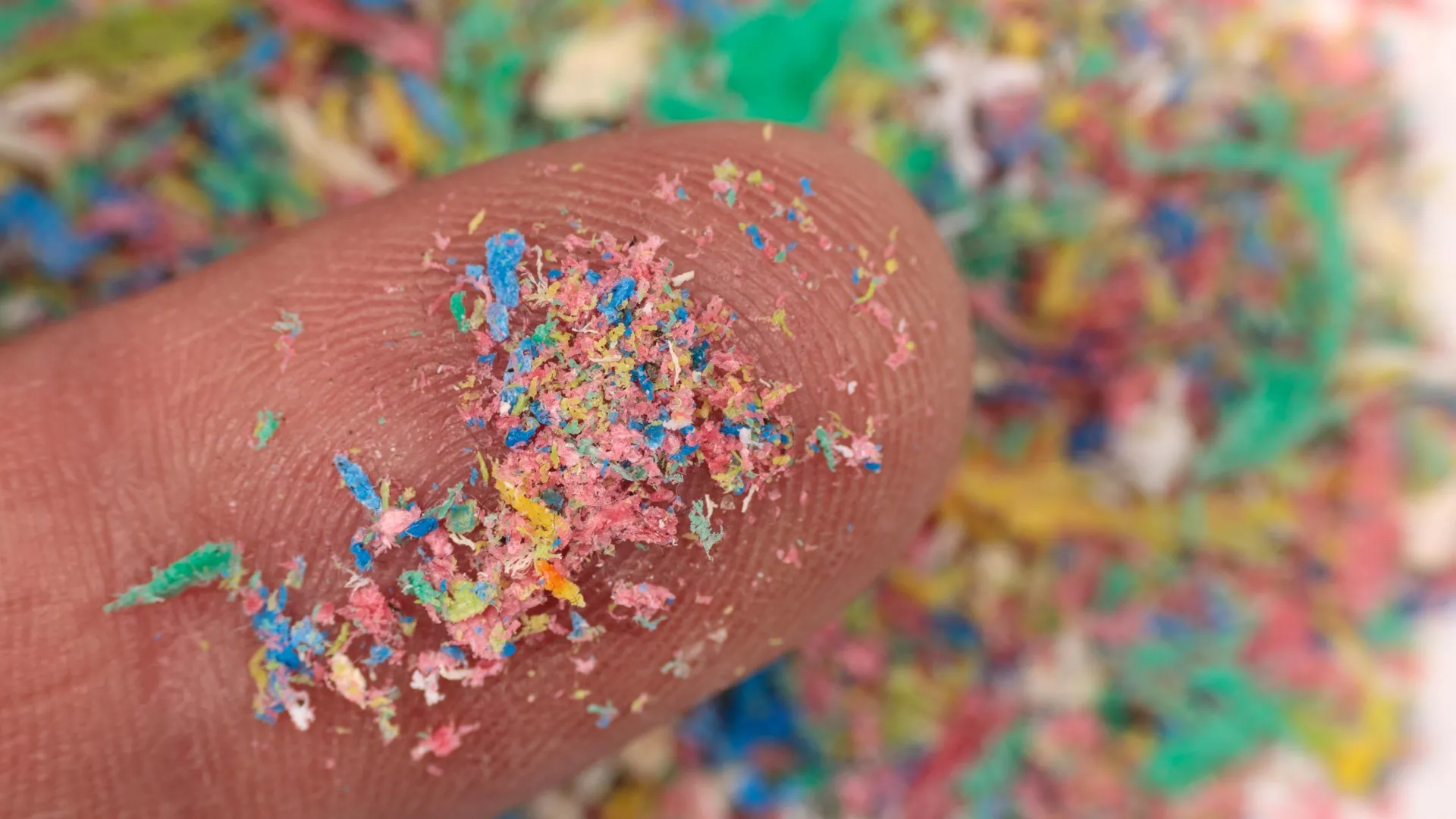
Recent scientific investigations have unveiled a groundbreaking potential for a specific lactic acid bacterium, derived from the popular fermented dish kimchi, to facilitate the expulsion of ultrafine plastic particles from the body by sequestering them within the intestinal tract. This discovery marks a significant advancement in the nascent field of biological strategies aimed at addressing the pervasive environmental and public health challenge posed by nanoplastics.
The omnipresent issue of plastic pollution has evolved into a multifaceted crisis, extending beyond visible debris to microscopic and submicroscopic fragments that permeate ecosystems and biological systems alike. Nanoplastics, defined as particles less than one micrometer in size, represent the most insidious dimension of this problem. These minute fragments originate from the continuous degradation of larger plastic items through various environmental processes, including photodegradation, mechanical abrasion, and chemical breakdown. Their minuscule dimensions render them particularly problematic, enabling their pervasive presence in air, water, and soil, and facilitating their effortless entry into the human body through ingestion of contaminated food and water, as well as inhalation.
Once inside the human system, the exceptionally small size of nanoplastics allows them to traverse biological barriers that larger particles cannot. Of particular concern is their capacity to breach the intestinal barrier, potentially entering the bloodstream and subsequently accumulating in vital organs such as the kidneys, liver, spleen, and even the brain. The long-term health consequences of such accumulation are not yet fully understood but are a subject of intense scientific scrutiny, with preliminary research suggesting potential for inflammation, oxidative stress, cellular damage, and disruption of endocrine functions. Given the ubiquitous nature of plastic pollution and the continuous exposure to these particles, the development of effective strategies to prevent or mitigate their internal accumulation is of paramount importance. However, biological interventions targeting nanoplastic reduction within the gastrointestinal tract have, until now, remained largely unexplored and in very early stages of conceptualization.
A pioneering research endeavor, conducted by a dedicated team of scientists at a leading government-funded institute specializing in fermented foods, focused on exploring the unique properties of microorganisms found in traditional ferments. The investigators, spearheaded by Drs. Se Hee Lee and Tae Woong Whon, specifically examined the binding capabilities of Leuconostoc mesenteroides CBA3656, a lactic acid bacterium isolated from kimchi, against polystyrene nanoplastics (PS-NPs), a commonly used model for environmental nanoplastic studies. The rationale behind this focus on kimchi-derived bacteria stems from their resilience and adaptability within complex microbial ecosystems and their well-documented beneficial effects on gut health.
The experimental design involved a series of meticulous in vitro and in vivo studies to rigorously assess the probiotic’s efficacy. Under standard laboratory conditions, where environmental variables are tightly controlled, the CBA3656 strain exhibited an impressive nanoplastic binding efficiency of 87%. This performance was notably comparable to that of a reference probiotic strain, Latilactobacillus sakei CBA3608, which demonstrated an 85% binding rate under identical conditions. The critical distinction, however, emerged when the bacteria were subjected to simulated human intestinal conditions. The reference strain’s binding capacity plummeted dramatically to a mere 3%, indicating its susceptibility to the harsh acidic environment, enzymatic activity, and bile salts characteristic of the digestive system. In stark contrast, Leuconostoc mesenteroides CBA3656 maintained a remarkably high sequestration level of 57% under these challenging simulated physiological conditions. These compelling in vitro findings strongly suggest that the kimchi-derived strain possesses inherent robustness and specific surface characteristics enabling it to stably interact with nanoplastics even within the highly dynamic and chemically complex environment of the human intestinal tract.
To further validate these promising laboratory observations, the research progressed to in vivo animal experiments utilizing a germ-free mouse model. This specialized model is crucial for studying the direct effects of a specific microbial strain without interference from the complex native gut microbiome, thereby providing clearer insights into the probiotic’s direct actions. Mice, both male and female, administered the CBA3656 strain demonstrated a significant outcome: the quantity of nanoplastics detected in their fecal excretions was more than double that observed in a control group that did not receive the probiotic intervention. This robust result provides compelling evidence that the probiotic actively contributes to the enhanced fecal elimination of nanoplastic particles, strongly implying that it binds to these particles within the intestine, preventing their absorption and facilitating their passage out of the body.
The scientific community recognizes these findings as providing robust empirical evidence for a novel biological interaction between specific lactic acid bacteria and environmental micropollutants. This research extends the traditional understanding of probiotics, moving beyond their established roles in fermentation, gut health modulation, and immune system support, to encompass a potential function in environmental detoxification within the human body. The elucidation of these mechanisms offers unprecedented insight into potential biological pathways that could be harnessed to substantially reduce nanoplastic accumulation in the gastrointestinal tract, thereby mitigating potential systemic exposure and associated health risks.
While the precise molecular mechanisms underpinning Leuconostoc mesenteroides CBA3656’s remarkable nanoplastic binding capacity are still under investigation, several hypotheses can be considered. Bacterial cell surfaces are complex structures, often adorned with various polysaccharides, proteins, and teichoic acids, which can exhibit diverse physicochemical properties. It is plausible that specific components on the surface of CBA3656 possess a high affinity for nanoplastics through electrostatic interactions, hydrophobic forces, or even specific ligand-receptor-like binding. The ability of this particular strain to maintain its binding efficiency under harsh intestinal conditions suggests that these surface properties are either highly stable or are actively regulated to resist degradation by digestive enzymes and bile salts. Further detailed biochemical and structural analyses will be necessary to fully unravel these intricate interactions and identify the specific molecular determinants responsible for this probiotic’s unique capability.
The implications of this study are far-reaching, spanning both public health and environmental science. From a public health perspective, the discovery introduces a potentially accessible and natural dietary intervention to combat the pervasive threat of nanoplastic exposure. The concept of utilizing microorganisms derived from traditional fermented foods, which are already part of human diets, offers a promising pathway for developing novel probiotic supplements or functional foods aimed at reducing the body’s nanoplastic burden. This could represent a proactive strategy to safeguard human health in an increasingly plastic-saturated world. From an environmental standpoint, this research opens new avenues for exploring the bioremediation potential of microbial resources. Understanding how specific bacteria interact with and sequester nanoplastics could inform strategies for cleaning up contaminated environments, potentially leading to innovative biological solutions for broader plastic pollution challenges.
Looking ahead, several critical steps are necessary to translate these promising laboratory and animal study results into practical applications. Foremost among these is the initiation of human clinical trials to definitively ascertain the efficacy, safety, and optimal dosage of Leuconostoc mesenteroides CBA3656 in human subjects. These trials would need to meticulously monitor nanoplastic excretion rates and assess any potential long-term effects or interactions with the human microbiome. Furthermore, a deeper elucidation of the molecular mechanisms of binding is essential. Identifying the specific surface structures or molecules on the bacterium responsible for nanoplastic sequestration could enable the development of more targeted and potent probiotic formulations or even biomimetic materials. Research into strain specificity is also crucial – is this capacity unique to CBA3656, or a broader trait among Leuconostoc mesenteroides strains, or even other lactic acid bacteria? Exploring the diversity of microbial resources from various fermented foods could uncover additional strains with similar or superior capabilities. Finally, the logistical and regulatory challenges associated with scaling up production and obtaining approvals for a novel probiotic with such a specific health claim will need careful navigation.
As Dr. Sehee Lee, the lead researcher, aptly articulated, plastic pollution is no longer solely an environmental concern but has firmly established itself as a significant public health issue. The findings emanating from this research underscore the immense potential of microorganisms originating from traditional fermented foods to provide innovative biological approaches to address this emerging global challenge. The ongoing commitment to expanding the scientific understanding and value of kimchi microbial resources represents a strategic investment in public health and the pursuit of sustainable environmental solutions, offering a glimmer of hope in the complex fight against plastic contamination.



 Lisa Mariana
 Aura Kasih


 Safa Marwah