 Safa Marwah
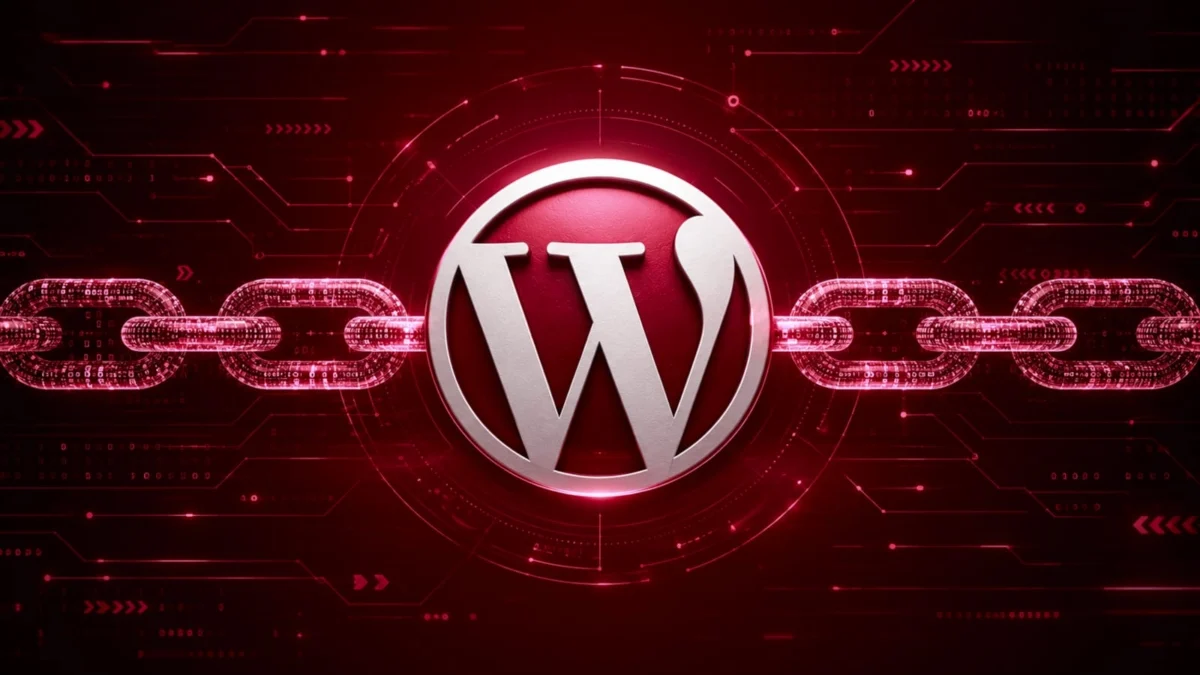
A sophisticated supply chain attack has severely impacted the premium WordPress plugin, Admin Menu Editor Pro, leading to the unauthorized distribution of trojanized updates to hundreds of subscribers and the subsequent compromise of an estimated 1,500 WordPress installations through the surreptitious creation of hidden administrative accounts and the deployment of persistent web shells. This incident underscores the escalating risks within the plugin ecosystem, where a single breach of a developer’s infrastructure can propagate malicious code across a vast network of unsuspecting websites, posing significant security and operational challenges.
The incident, which unfolded recently, centered on the administrative infrastructure of the Admin Menu Editor Pro plugin. WordPress, as the world’s most widely used content management system, powers over 40% of all websites, largely due to its extensible architecture supported by thousands of plugins. These plugins enhance functionality, ranging from SEO optimization to e-commerce capabilities and, crucially, administrative control. Admin Menu Editor Pro, in particular, offers advanced features for customizing the WordPress dashboard menu, managing user roles, restricting access to specific plugins, and configuring login/logout redirects. Its utility in fine-tuning site administration makes it a critical component for many businesses and agencies managing multiple WordPress installations, elevating the impact of its compromise.
According to initial reports from the plugin’s developer, Janis Elsts, an unauthorized actor gained access to the adminmenueditor.com website. This breach occurred on a Monday, at which point the attacker proceeded to upload a modified version of the plugin, designated 2.35, as a legitimate update for the Pro version. This malicious update contained a stealthy component: a file named includes/wp-user-consent.php. Far from benign, this file served as the primary vector for establishing a persistent web shell on any website that installed the compromised update. Web shells provide attackers with remote access and control over the compromised server, allowing them to execute arbitrary commands, upload/download files, and further escalate privileges, effectively turning the victim’s server into an extension of their command and control infrastructure.
The immediate aftermath saw the developer identifying the intrusion and attempting to mitigate the threat by removing the malicious update and pushing a clean version, 2.36, later the same day. However, the attacker’s access to the website’s infrastructure was not fully severed. In a concerning turn of events, the threat actor managed to compromise the newly released version 2.36 as well, demonstrating a level of persistence and control over the developer’s systems that complicated swift remediation. This suggests a deeper root-level compromise of the server environment, rather than a mere front-end access breach, indicating a sophisticated adversary with comprehensive access.
The core payload embedded within the malicious plugin versions performed several critical actions designed to ensure persistent access. Beyond the installation of the web shell, the code was engineered to create a hidden user account within the compromised WordPress installations. These accounts are often configured with administrative privileges and designed to be inconspicuous, making them difficult for site owners to detect through standard user management interfaces. The creation of such accounts serves as a backdoor, allowing the attacker to regain access even if the initial web shell is discovered and removed, or if the malicious plugin files are deleted. This dual-pronged approach—web shell for immediate, dynamic control and a hidden admin account for long-term persistence—is a hallmark of advanced persistent threat (APT) tactics.
Analysis of the update server logs provides a preliminary, though potentially conservative, estimate of the compromise’s scale. Approximately 230 distinct customers are believed to have installed the initial malicious update. Given that many customers manage multiple WordPress sites, this translated into at least 1,500 individual websites being impacted. The developer has cautioned that the actual victim count could be significantly higher, particularly due to the subsequent compromise of version 2.36. Customers who downloaded the plugin during or around the relevant time windows for either malicious version are at risk, and pinpointing the exact number of sites running a trojanized version of 2.36 presents a substantial forensic challenge. This difficulty arises because an attacker who has maintained root-level access could potentially manipulate logs or deploy other obfuscation techniques.
The implications of such a widespread compromise are multifaceted and severe. For individual WordPress site owners, the immediate threat includes data breaches, unauthorized content modification, search engine optimization (SEO) spam injection, redirect schemes, or even the complete defacement or hijacking of their websites. Financial data, personal user information, and proprietary business content could be exfiltrated. The presence of a web shell grants attackers the capability to install ransomware, use the server as part of a botnet for DDoS attacks, or pivot to other systems within the hosting environment. The reputational damage for affected businesses, especially those handling sensitive customer data, can be immense, potentially leading to loss of customer trust, regulatory fines, and legal liabilities under data protection frameworks like GDPR or CCPA.
From a broader ecosystem perspective, this incident represents a critical example of a supply chain attack. In the context of software, a supply chain attack occurs when a threat actor infiltrates a developer’s environment or distribution mechanism to inject malicious code into legitimate software. Users, trusting the developer, then unknowingly install the compromised version. This vector is particularly insidious because it bypasses many traditional perimeter defenses, as the malicious code arrives "signed" by the trusted developer. The WordPress plugin ecosystem, with its vast array of developers ranging from large companies to individual contributors, presents an attractive target for such attacks due to its distributed nature and the implicit trust users place in plugin updates.
The developer’s response to the incident highlights the extreme challenges faced when confronted with a deep system compromise. The decision to take the entire website offline until a secure restoration could be guaranteed was a drastic but necessary measure. This action prioritizes customer safety by preventing further downloads of potentially malicious code and allowing for a comprehensive forensic investigation and hardening of the infrastructure. A static page has since been published, providing details about the incident, indicators of compromise (IoCs), and crucial recommendations for affected customers to assess and remediate their systems. This transparency, while painful, is vital for rebuilding trust and enabling affected users to act decisively.
Indicators of Compromise (IoCs) and Remediation Strategies:
Site owners who installed Admin Menu Editor Pro versions 2.35 or 2.36 during the affected period must immediately perform a thorough security audit. Key indicators of compromise include:
- Presence of
includes/wp-user-consent.php: This file within the plugin directory is a primary indicator of the web shell installation. Its existence warrants immediate investigation. - Unfamiliar User Accounts: Scrutinize the WordPress user list for any newly created, unrecognized, or hidden administrative accounts. Attackers often obscure these accounts, so a direct database query might be necessary to uncover them.
- Unusual Files/Directories: Check for any suspicious files or directories outside the standard WordPress structure, particularly in
/wp-content/object-cache/or other temporary directories. - Modified Database Entries: Look for alterations in the
wp_optionstable or other database tables that might indicate the presence of persistent malicious code or configuration changes made by the attacker.
The most reliable remediation strategy, as recommended by the developer, involves restoring the compromised website from a clean backup predating September 14th, the date of the initial breach. This method ensures that all traces of the malicious code, web shells, hidden accounts, and any potential secondary payloads are completely removed. However, if a suitable backup is unavailable, a meticulous manual cleanup process is required:
- Plugin Deletion: Completely delete the Admin Menu Editor Pro plugin from the WordPress installation. This must be done carefully to ensure all plugin files are removed.
- Directory Cleanup: Delete the
/wp-content/object-cache/directory, which may contain malicious files. - Database Sanitization: Manually remove any suspicious database entries related to the hidden user accounts or other malicious configurations. This often requires direct database access and a strong understanding of the WordPress database schema.
- User Account Removal: Identify and delete any unauthorized user accounts, especially those with administrative privileges.
- Password Reset: Reset all administrative passwords, including those for WordPress, database access, FTP/SFTP, and hosting control panels.
- Server-Level Scan: Conduct a comprehensive scan of the entire hosting environment using reputable security tools to detect any remaining malware, backdoors, or rootkits that might have been installed by an attacker with root access.
The developer has confirmed that version 2.34 of the Admin Menu Editor Pro is considered clean, and the free version of the Admin Menu Editor plugin does not appear to have been affected by this incident. This distinction is crucial for minimizing panic among users of the free version and focusing remediation efforts on the specific compromised premium product.
Future Outlook and Recommendations for Enhanced Security:
This incident serves as a stark reminder of the continuous need for robust security practices across the entire digital supply chain. For WordPress site owners, proactive measures are paramount:
- Regular, Verified Backups: Implement a robust backup strategy that includes both file and database backups, stored off-site, and regularly tested for restorability.
- Principle of Least Privilege: Limit user permissions to only what is necessary for their role. Avoid using administrator accounts for routine tasks.
- Strong Authentication: Enforce strong, unique passwords and multi-factor authentication (MFA) for all WordPress users, hosting panels, and development environments.
- Security Plugins and Scanners: Utilize reputable WordPress security plugins for continuous malware scanning, firewall protection, and vulnerability detection.
- Timely Updates (with caution): While keeping plugins and themes updated is critical, this incident highlights the need for a cautious approach. Consider staging environments for testing updates before deploying them to live sites.
- Monitoring and Logging: Implement comprehensive logging and monitoring solutions to detect unusual activity, such as new user creations, file modifications, or suspicious network traffic.
For plugin developers, the incident necessitates a re-evaluation of their security posture and development lifecycle:
- Secure Development Practices: Adopt a Secure Software Development Lifecycle (SSDLC) that incorporates security from design to deployment.
- Infrastructure Hardening: Implement stringent security measures for all development and distribution infrastructure, including strong access controls, network segmentation, intrusion detection systems, and regular security audits.
- Code Signing: Explore and implement code signing mechanisms to verify the authenticity and integrity of plugin updates.
- Multi-Factor Authentication: Enforce MFA for all administrative access to development servers, version control systems, and update distribution platforms.
- Incident Response Plan: Develop and regularly test a detailed incident response plan to handle potential breaches swiftly and effectively, minimizing damage and facilitating transparent communication with users.
The compromise of Admin Menu Editor Pro is a significant event in the WordPress security landscape, demonstrating the increasing sophistication of threat actors targeting critical components of the web’s infrastructure. The ongoing vigilance of developers, coupled with proactive security measures from site administrators, will be essential in mitigating future risks and preserving the integrity and trustworthiness of the digital ecosystem.



 Aura Kasih

 Lisa Mariana