Aura Kasih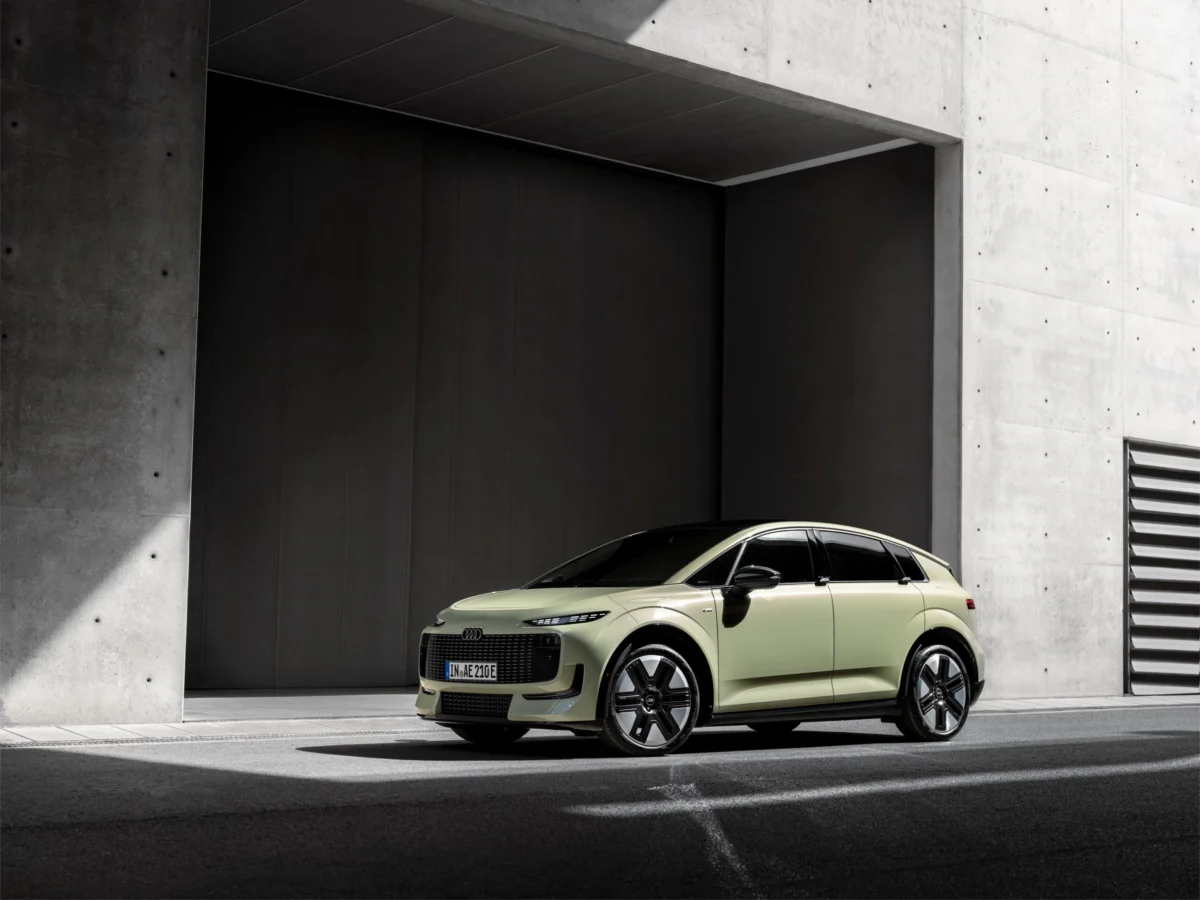
The automotive landscape is witnessing a significant paradigm shift, with electric vehicles (EVs) increasingly prioritizing accessibility alongside their environmental credentials. However, the persistent challenge has been reconciling cost-effectiveness with extended range and energy efficiency, a dichotomy that often forces consumers to compromise. Audi, a stalwart of automotive innovation, has seemingly shattered this compromise with the introduction of its new A2 E-tron, a compact electric crossover meticulously engineered to deliver exceptional efficiency at an attainable price point.
This latest offering from the German luxury marque represents a bold stride toward democratizing electric mobility, challenging established notions of what is achievable within the premium EV segment. The A2 E-tron is poised to redefine consumer expectations, offering a compelling proposition for those seeking to embrace sustainable transportation without exorbitant financial outlay. Its strategic positioning in the market suggests a calculated move by Audi to capture a broader segment of the evolving automotive consumer base, particularly in regions where the transition to electric vehicles is gaining momentum.
A New Benchmark in Aerodynamic Design and Energy Management
The core of the A2 E-tron’s remarkable efficiency lies in its revolutionary aerodynamic design. Audi engineers have meticulously sculpted the vehicle’s form, achieving an ultra-low drag coefficient of 0.24, a new benchmark for the brand. This feat is accomplished through a suite of advanced aerodynamic features, including seamlessly integrated flush door handles that retract when not in use, carefully optimized air intakes to minimize turbulence, a completely enclosed underbody to promote laminar airflow, and sophisticated gap reducers strategically placed around the wheel arches. These elements work in concert to drastically reduce air resistance, a critical factor in extending an EV’s range and improving its overall energy consumption.
Beyond its exterior prowess, the A2 E-tron also introduces bidirectional charging capabilities, a significant advancement in the utility of electric vehicles. This innovative feature allows the A2 E-tron to not only draw power from the grid but also to supply electricity back. This functionality can be leveraged for vehicle-to-load (V2L) applications, enabling the vehicle to power external devices through an integrated outlet in the trunk, or for more comprehensive vehicle-to-home (V2H) energy management when paired with compatible DC wall box infrastructure. This opens up new possibilities for energy independence and resilience, transforming the EV from a mere mode of transport into a mobile energy hub.
Exceptional Energy Consumption and Range Options
The impact of this holistic approach to efficiency is demonstrably evident in the A2 E-tron’s energy consumption figures. With specific motor and battery configurations, the vehicle achieves an astonishingly low energy usage of just 12.8 kWh per 62 miles (100 km). This translates into significant cost savings for owners in terms of electricity consumption and represents a substantial improvement over many existing EV models.
Furthermore, Audi has engineered the A2 E-tron to cater to diverse driving needs, offering a range of battery and drivetrain options. When equipped with the optimal powertrain and battery package, the A2 E-tron is capable of delivering an impressive maximum range of up to 401 miles (645 km) on the European WLTP cycle. This extended range alleviates range anxiety, a common concern for EV adopters, and positions the A2 E-tron as a practical choice for longer journeys and daily commuting alike. The flexibility in configuration allows consumers to tailor their vehicle to their specific requirements, balancing cost, range, and performance.
Interior Innovation: Smart Storage and Advanced Infotainment
The A2 E-tron’s commitment to intelligent design extends to its interior, where practicality and modern technology converge. A standout feature is the standard curved MMI panoramic display, a seamless integration of an 11.9-inch digital gauge cluster and a 12.8-inch central touchscreen. This immersive interface provides drivers with intuitive access to vehicle information, navigation, and entertainment systems, all presented in a visually appealing and user-friendly format. The large, responsive touchscreens are designed to minimize driver distraction while maximizing functionality.
Adding to the interior’s ingenuity is the incorporation of a Fidlock magnetic fastening system. This innovative solution allows for highly adaptable and secure storage solutions throughout the cabin and trunk. Owners can effortlessly attach and detach accessories such as cupholders and charging cable bags to designated magnetic points, offering unparalleled flexibility in customizing the interior space. This system, familiar to cyclists who use similar magnetic mounts for water bottles, represents a novel application in automotive design, enhancing convenience and organization for occupants. This thoughtful integration of practical features underscores Audi’s focus on creating a user-centric and adaptable driving experience.
Market Positioning and Strategic Implications
The introduction of the A2 E-tron, though currently slated for the European market, carries significant implications for the broader automotive industry. Its pricing, starting at approximately £32,200 (around $45,000), positions it as one of Audi’s most affordable electric vehicles, directly challenging the notion that premium EVs must come with a prohibitive price tag. This move signals a potential shift in Audi’s EV strategy, moving beyond an "EVs-or-bust" pledge made previously and embracing a more diversified approach that includes a mix of internal combustion engine, hybrid, and fully electric powertrains.
While the A2 E-tron is a compact rear-wheel-drive vehicle, its underlying technological advancements in efficiency and affordability could pave the way for future adaptations and broader market penetration. The success of such a model in Europe could influence Audi’s decision-making regarding its availability in other key markets, such as North America. The current exclusion of the A2 E-tron from the US market is notable, particularly given the growing demand for efficient and accessible EVs. It suggests that consumer preferences and regulatory landscapes in different regions continue to shape product development and rollout strategies.
The automotive industry is at a critical juncture, with manufacturers worldwide grappling with the transition to electrification. Audi’s A2 E-tron exemplifies a forward-thinking approach, demonstrating that cutting-edge technology and environmental responsibility can be integrated with affordability and desirability. The focus on aerodynamic efficiency, innovative charging solutions, and a user-centric interior design sets a new precedent for compact electric crossovers.
Future Outlook and Industry Impact
The A2 E-tron’s arrival is more than just the launch of a new model; it represents a strategic statement from Audi. It indicates a willingness to innovate beyond traditional luxury segments and to address the evolving needs of a wider consumer base. The company’s acknowledgment of a mixed powertrain future, rather than an exclusive focus on EVs, suggests a pragmatic and adaptable business strategy. This flexibility allows Audi to leverage its existing expertise in internal combustion engines and hybrid technology while simultaneously investing heavily in electrification.
The implications of the A2 E-tron’s success extend beyond Audi. If this model proves popular and profitable in its target markets, it could inspire other premium manufacturers to develop similar offerings, accelerating the trend towards more affordable and efficient EVs across the board. This would undoubtedly benefit consumers, who would gain access to a wider array of sustainable transportation options that align with their budgets.
The potential for Audi to eventually introduce the A2 E-tron or a derivative to the North American market remains a significant point of interest. While current market dynamics and consumer preferences in the US may favor larger SUVs, the increasing fuel costs, environmental awareness, and governmental incentives for EVs could shift this landscape. Americans are becoming increasingly receptive to the advantages of highly efficient, compact EVs, especially when coupled with the prestige and engineering excellence associated with an Audi badge. The argument for a more diverse range of EV body styles and price points is growing stronger, and the A2 E-tron, with its compelling blend of attributes, is well-positioned to capitalize on such a shift.
In conclusion, the Audi A2 E-tron stands as a testament to the company’s engineering prowess and its commitment to shaping the future of mobility. By meticulously balancing affordability with unparalleled efficiency, Audi has not only introduced a compelling new electric vehicle but has also set a new standard for what consumers can expect from the premium EV segment. Its impact on the market, both in Europe and potentially beyond, will be keenly observed as the automotive industry continues its transformative journey towards a more sustainable and accessible electric future.




 Safa Marwah
 Ayu Aulia