
 Aura Kasih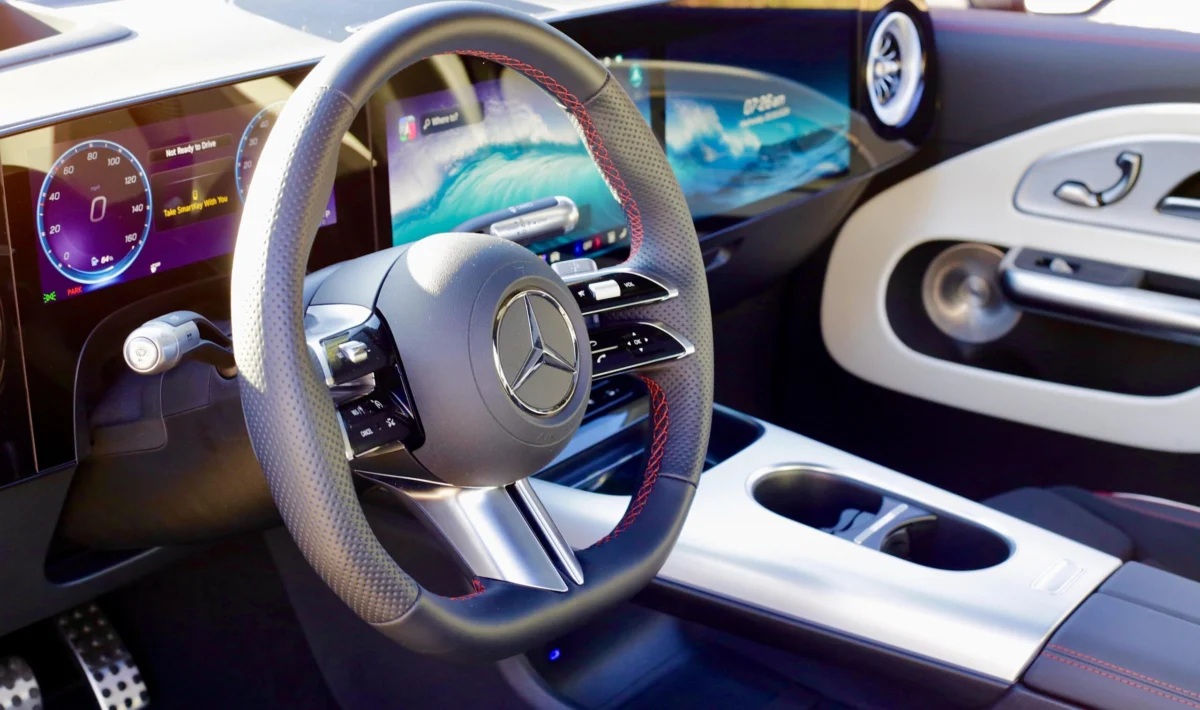
New vehicle buyers are increasingly expressing a desire for automotive technology that integrates unobtrusively into their driving experience, rather than demanding constant attention, according to recent industry analysis. This sentiment directly challenges the prevailing trend among automakers to embed ever more sophisticated and visually prominent digital interfaces, a direction that appears to be alienating a significant portion of the consumer base. The core of this evolving preference lies in a fundamental shift towards valuing technology that simplifies, rather than complicates, the act of driving.
The automotive industry stands at a pivotal juncture, grappling with a discernible disconnect between the direction of technological advancement and the actual desires of vehicle owners. While manufacturers continue to push the boundaries of in-car digital integration, investing heavily in expansive touchscreens, complex software ecosystems, and an ever-growing array of driver-assistance and convenience features, a growing body of evidence suggests that consumers are reaching a saturation point. This phenomenon is not merely a matter of personal preference; it represents a fundamental reevaluation of what constitutes valuable automotive technology. The latest insights from comprehensive consumer surveys reveal a clear preference for innovations that operate quietly in the background, enhancing the driving experience without demanding overt engagement. This preference for "invisible" technology is reshaping expectations and presents a significant strategic challenge for automotive product development and marketing.
The prevailing narrative in automotive design has, for some time, been one of digitization and connectivity, with larger and more interactive displays becoming a defining characteristic of modern vehicles. This push has been fueled by the perceived glamour of cutting-edge technology and the desire to emulate the smartphone-like experience that consumers have come to expect in their personal lives. However, this approach appears to be encountering a critical resistance from the very individuals who are purchasing these vehicles. The underlying issue is not a rejection of technology itself, but rather a nuanced appreciation for how that technology is implemented. When features are complex, require extensive learning curves, or are prone to glitches and unreliability, they cease to be enhancements and instead become sources of frustration. This disconnect between intended benefit and actual user experience is a critical factor influencing customer satisfaction.
At the heart of this consumer sentiment lies a desire for technology that is both intelligent and intuitive, capable of anticipating needs and streamlining processes without drawing undue attention. Features that autonomously manage essential functions, such as climate control or vehicle ignition, exemplify this ideal. These systems, when designed effectively, operate with a degree of seamlessness that allows drivers to focus on the primary task of operating their vehicle. The absence of a need for constant adjustment or interaction transforms these technologies from potential distractions into silent partners in the driving experience. This is particularly relevant in the context of increasingly complex driving environments, where cognitive load is a significant concern. Technologies that reduce this load, by handling routine tasks efficiently and reliably, are precisely those that are garnering the most positive reception.
The ramifications of this consumer preference extend beyond mere satisfaction metrics; they have profound implications for brand perception and future product development. Automakers that fail to acknowledge and adapt to this evolving demand risk alienating their customer base, leading to decreased loyalty and diminished market share. Conversely, those that prioritize the development and implementation of user-centric, unobtrusive technologies stand to gain a significant competitive advantage. This requires a strategic shift in focus, moving away from a "more is more" approach to technology and towards a philosophy of "less is more" when it comes to user interaction. The goal should be to create a harmonious blend of advanced functionality and effortless usability, where the technology serves the driver, rather than the other way around.
The current trajectory of automotive technology is, in many respects, a reflection of broader societal trends towards digitalization and interconnectedness. However, the automotive cabin is a unique environment, one where the stakes are inherently higher and where distraction can have severe consequences. This distinction is crucial. While consumers may embrace complex interfaces and myriad applications in their personal devices, the context of driving demands a different approach. The "always-on," highly interactive nature of many modern infotainment systems, while technologically impressive, can detract from the driver’s primary responsibility. This is compounded by the fact that the reliability of these complex systems often falls short of consumer expectations, leading to a cycle of frustration and dissatisfaction.
The emergence of passenger-focused displays, while a seemingly innovative concept, has highlighted this disconnect with particular clarity. These elaborate digital extensions, often found in premium vehicles, have largely failed to resonate with owners. The data suggests that a significant portion of users rarely, if ever, interact with these screens, rendering them as largely superfluous additions. This indicates a misallocation of resources and design effort, prioritizing novelty over genuine utility. The failure of these extraneous features to gain traction underscores the importance of focusing on technologies that offer tangible benefits to the core driving experience or directly address common pain points for the driver.
Similarly, the development of advanced driver-assistance systems (ADAS), particularly those that enable hands-free driving on designated routes, presents another area where consumer reception is more nuanced than initially assumed. While the promise of automated driving is undeniably alluring, the practical implementation and the degree of automation are critical factors influencing user comfort and confidence. Current data suggests that drivers may feel more secure and in control with systems that clearly augment their driving capabilities rather than those that aim for a higher degree of autonomy, especially if the transition between manual and automated control is not perfectly seamless or if the system’s limitations are not clearly communicated. The design and user interface of these systems play a crucial role in building trust and ensuring a positive user experience.
The underlying principle that emerges from these observations is the need for automotive technology to be "invisible" in its excellence. It should function reliably and intuitively, enhancing safety, comfort, and convenience without becoming a focal point of attention or a source of cognitive burden. This requires a deep understanding of user behavior and a commitment to designing systems that are not only technologically advanced but also fundamentally human-centered. The focus should be on problem-solving – addressing real-world driving challenges and enhancing the overall journey – rather than on simply incorporating the latest digital trends.
The future of automotive technology lies in its ability to disappear into the background, becoming an integral yet unobtrusive part of the driving environment. This paradigm shift necessitates a recalibration of priorities for automotive manufacturers. The emphasis must move from showcasing technological prowess through flashy interfaces to delivering genuine value through seamless, reliable, and user-friendly innovations. Technologies that empower drivers, enhance their awareness, and simplify their tasks, all while remaining discreet, are the ones that will ultimately define the success of future automotive interiors and the satisfaction of their owners. The industry’s ability to embrace this user-centric approach will be a critical determinant of its long-term success in an increasingly discerning market.



 Lisa Mariana
 Ayu Aulia

 Safa Marwah