Safa Marwah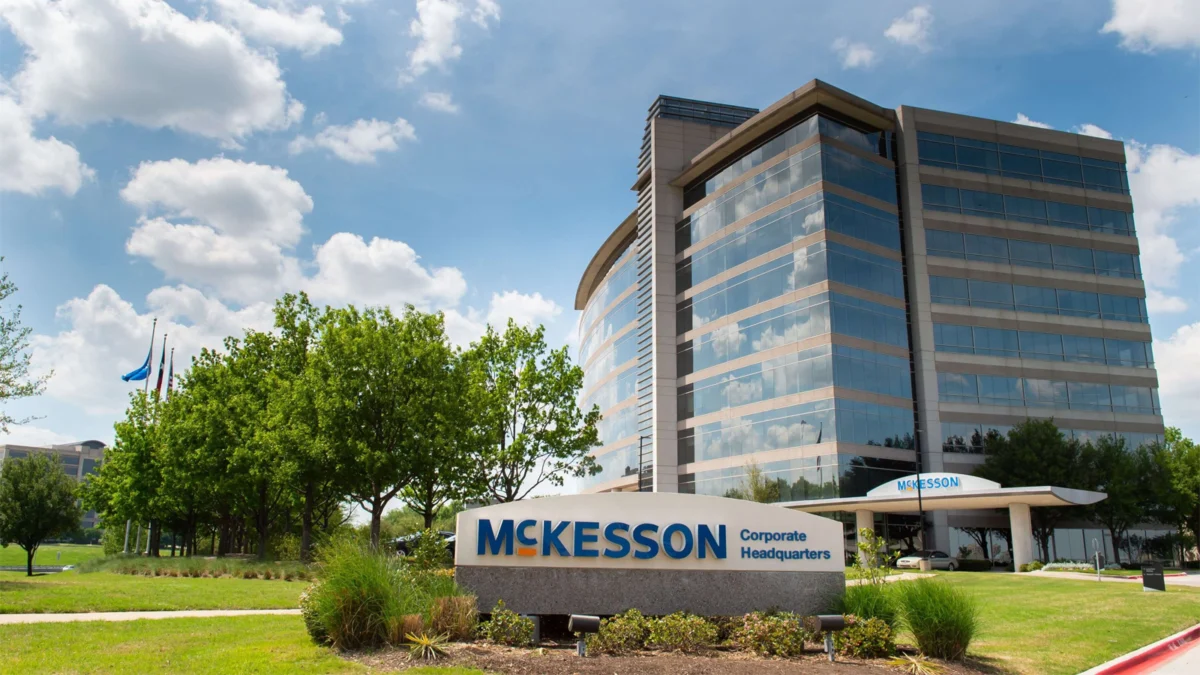
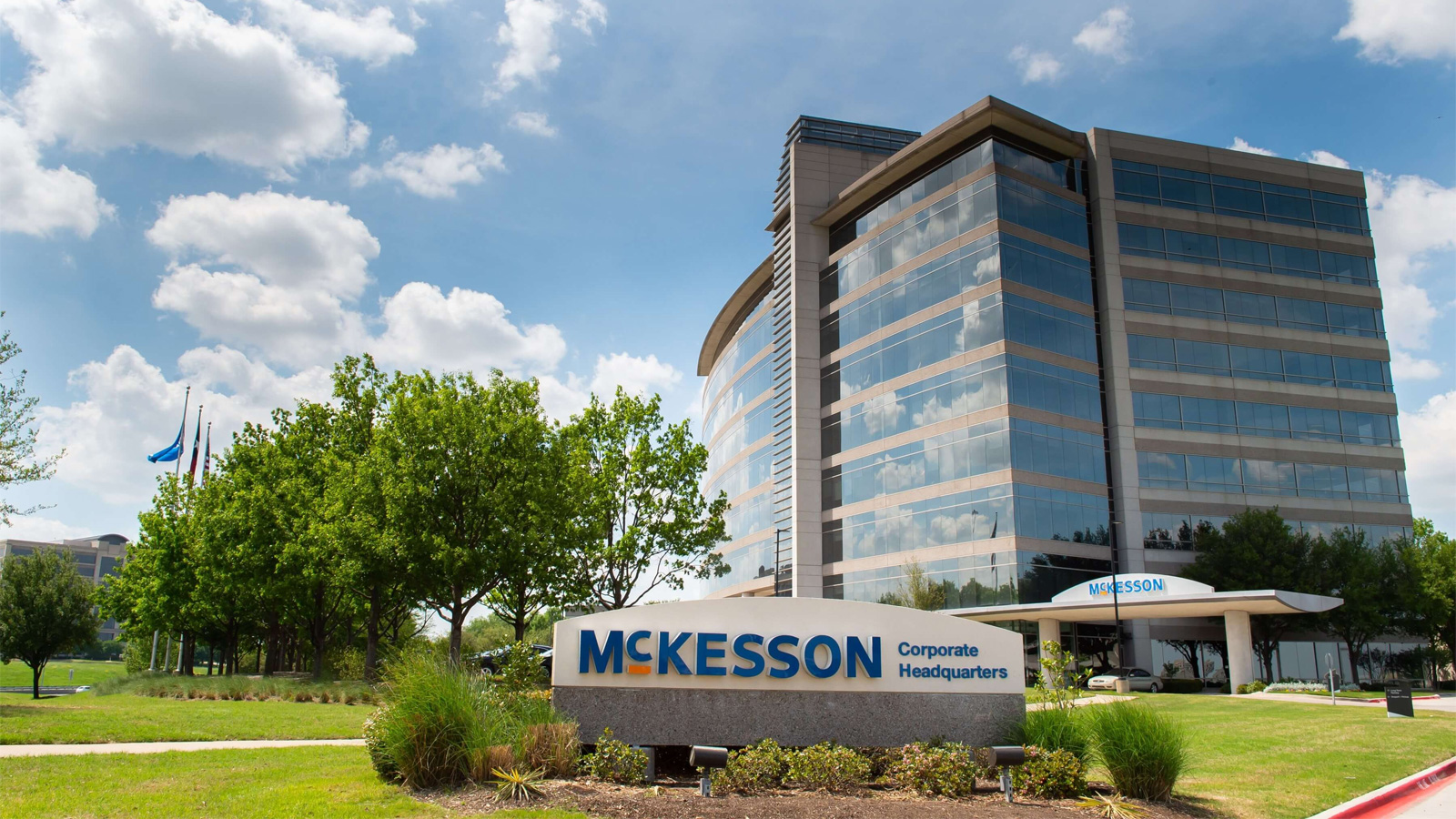
Healthcare and pharmaceutical distribution behemoth McKesson has confirmed a significant cybersecurity breach, involving unauthorized access to third-party applications and the exfiltration of sensitive data. This disclosure follows claims from the notorious cyber extortion collective ShinyHunters, which purports to have accessed and stolen a staggering 284 million data records containing patient-related information, underscoring a growing and sophisticated threat against the vital healthcare sector.
McKesson, a linchpin in the American healthcare supply chain, plays an indispensable role in distributing medicines, medical provisions, technological solutions, and services to an expansive network of healthcare providers and pharmacies nationwide. The sheer scale of its operations and the criticality of its data holdings make it an attractive target for malicious actors, and any compromise carries profound implications for both the company and the millions of individuals whose information it manages.
The initial revelation of the incident surfaced through independent cybersecurity reporting on August 28, 2026, precipitating McKesson’s formal disclosure via a Form 8-K filing with the U.S. Securities and Exchange Commission (SEC). This regulatory filing confirmed the discovery of the cybersecurity incident on August 25, 2026, noting that the company’s internal investigation was still in its nascent stages. McKesson communicated that further updates would be disseminated through a dedicated section on its corporate website. At the time of the SEC filing, the company had not yet ascertained the materiality of the incident or its potential financial impact on its operational performance or overall financial health.
In parallel, McKesson issued a separate notification to its clientele, corroborating that the incident specifically involved third-party applications, resulting in illicit access and subsequent data exfiltration. The company affirmed its commitment to data security and privacy, detailing that upon detection, it immediately initiated its established incident response protocols, commenced a thorough investigation, and enlisted the expertise of leading cybersecurity specialists to aid in its comprehensive response efforts. The investigation remains active and exhaustive, striving to delineate the full scope and ramifications of the compromise. Customers were also forewarned of potential intermittent service disruptions, which were believed to be connected to the attack, although McKesson clarified it was not proactively disconnecting internal systems. Specific details regarding the compromised third-party applications, the initial point of entry for the attackers, or the precise nature of the exfiltrated data have yet to be publicly divulged by McKesson, pending the ongoing investigation.
ShinyHunters’ Assertions and Modus Operandi
The ShinyHunters extortion group has claimed unequivocal responsibility for the cyberattack, providing BleepingComputer with specific details regarding their alleged methodology. The group asserted that their intrusion was achieved through highly targeted voice phishing, or "vishing," social engineering campaigns directed at multiple McKesson employees. While ShinyHunters refrained from disclosing extensive technical specifics of these vishing attempts, including the specific domains employed, independent intelligence suggests the threat actors leveraged a domain such as mckesson[.]claims. This tactic aligns with a broader campaign previously documented by ReliaQuest’s Threat Research team, which observed ShinyHunters registering .claims domains incorporating target companies’ names or abbreviations to impersonate internal help desks and IT support teams.
According to ShinyHunters, these sophisticated vishing attacks facilitated the compromise of several employees’ Okta single sign-on (SSO) accounts. Gaining control over these critical authentication pathways then enabled the threat actors to access McKesson’s Salesforce and Snowflake environments. Salesforce, a widely used customer relationship management (CRM) platform, often houses extensive customer and operational data, including support cases and internal communications. Snowflake, a cloud-based data warehousing service, is frequently utilized by large enterprises for storing and analyzing vast quantities of structured and semi-structured data, making it a repository for potentially colossal datasets.
The extortion group claims to have achieved a full compromise of the Salesforce environment, including all support cases. Furthermore, they allege the exfiltration of a substantially larger volume of patient-related data from the Snowflake infrastructure. ShinyHunters states that approximately 1 terabyte (TB) of data was siphoned off over a four-day period, commencing August 21 and concluding on August 25. The group asserts that the stolen Snowflake data comprises around 284 million "data records" or individual lines of information. Crucially, the group clarified that this figure represents a raw count of data entries, not necessarily 284 million unique individuals, as previous reports might have suggested. The full analysis of the stolen data to determine the precise number of unique individuals affected is reportedly incomplete.
The alleged stolen information is claimed to be highly sensitive and comprehensive, encompassing names, residential addresses, dates of birth, Social Security numbers (SSNs), unique patient identifiers, telephone numbers, email addresses, Medicaid numbers, medical record numbers, detailed medication and allergy information, diagnoses of illnesses, disability status, appointment schedules, and physician details. Disturbingly, ShinyHunters further alleges the data includes information pertinent to deceased and terminally ill patients, prescription and medication shipment records, financial invoices, employee information, internal communications, and specifics concerning healthcare providers and clinics leveraging McKesson’s services. These claims, if independently verified, point to a data breach of immense scope and profound privacy implications.
Following the alleged completion of data exfiltration on August 25, ShinyHunters claims to have initiated contact with McKesson, issuing a ransom demand of $55,236,150. The group reportedly provided a 72-hour ultimatum for a response. However, according to ShinyHunters, McKesson neither responded to nor engaged in negotiations regarding the ransom demand. This scenario often precedes the public release or sale of stolen data by extortion groups, a tactic designed to pressure victims into payment.
Broader Context and Implications for Healthcare
This incident at McKesson occurs amidst a discernible surge in data theft attacks targeting organizations within the healthcare and health technology sectors, many of which have been attributed to the ShinyHunters group. Health-ISAC, a prominent information sharing and analysis center for the health sector, has recently issued warnings to its members regarding an escalation in ShinyHunters’ activities. These advisories specifically highlighted the group’s predilection for social engineering techniques aimed at compromising corporate accounts to gain unauthorized access to cloud and Software-as-a-Service (SaaS) platforms.
Previous victims in this wave of ShinyHunters’ data theft campaigns within healthcare technology include prominent entities such as Medtronic, DentaQuest, iRhythm, OneMedical, and AdaptHealth. This pattern underscores a critical vulnerability across the healthcare ecosystem, where interconnected systems, reliance on third-party vendors, and human elements present fertile ground for sophisticated cyber adversaries.
The implications of a breach of this magnitude for McKesson are multifaceted. Operationally, the incident could lead to significant disruptions as the company dedicates resources to investigation, remediation, and system hardening. Financially, costs will accrue from forensic analysis, legal counsel, potential regulatory fines (e.g., under HIPAA for Protected Health Information), communication with affected parties, and potential class-action lawsuits. Reputational damage and erosion of trust among its vast network of partners, customers, and the public could also be substantial and long-lasting.
For the potentially affected individuals, the risks are severe. The exfiltration of such a comprehensive array of personal and medical data opens avenues for various forms of identity theft, financial fraud, and particularly, medical identity theft. Medical identity theft can lead to fraudulent medical claims, incorrect entries in medical records, and denial of legitimate care, creating complex and distressing challenges for victims. The alleged inclusion of data pertaining to deceased and terminally ill patients adds another layer of ethical and privacy concern, as this information could be exploited for specific types of fraud.
This incident serves as a stark reminder of the persistent and evolving cyber threats confronting critical infrastructure sectors like healthcare. It highlights the imperative for organizations to fortify their defenses beyond traditional perimeter security. Enhanced employee training on social engineering tactics, robust multi-factor authentication (MFA) implementations, continuous security monitoring of cloud environments, rigorous third-party vendor risk management, and comprehensive incident response planning are no longer optional but essential safeguards. The interplay between human vulnerabilities and sophisticated technical exploits, as evidenced by the alleged vishing leading to SSO and cloud platform compromise, demands a holistic and adaptive cybersecurity strategy across the entire healthcare landscape. The full impact of the McKesson breach will unfold as investigations progress, likely influencing cybersecurity strategies and regulatory enforcement across the industry for years to come.


 Lisa Mariana
 Aura Kasih
 Ayu Aulia