Ayu Aulia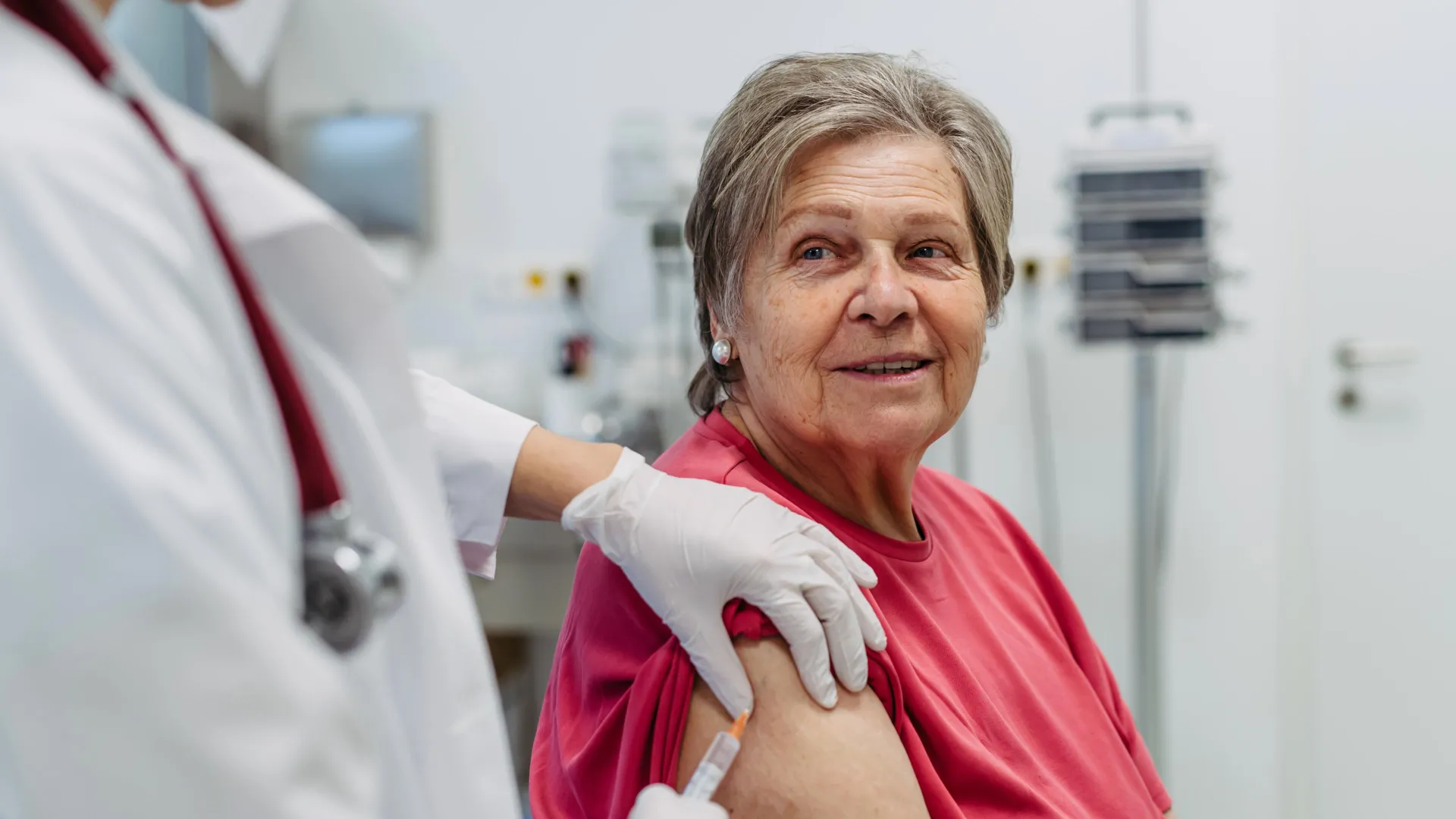
A recent comprehensive study indicates that older individuals administered a shingles vaccine following admission to a skilled nursing facility demonstrated a measurably lower probability of developing a dementia diagnosis over a subsequent four-year period. This significant research, drawing upon extensive health data, found that vaccinated adults experienced a 24% reduction in dementia risk compared to their unvaccinated counterparts within the same vulnerable population. These findings contribute to an evolving understanding of potential neuroprotective benefits extending beyond the primary aim of preventing herpes zoster.
Dementia represents a profound global health challenge, affecting millions worldwide and imposing immense burdens on individuals, families, and healthcare systems. Characterized by progressive cognitive decline severe enough to interfere with daily life, dementia encompasses a range of conditions, with Alzheimer’s disease being the most common form. Despite intensive research, effective preventative strategies or disease-modifying treatments remain elusive, underscoring the critical need for identifying modifiable risk factors and accessible interventions. Concurrently, shingles, or herpes zoster, caused by the reactivation of the varicella-zoster virus (VZV)—the same virus responsible for chickenpox—is a painful and debilitating condition primarily affecting older adults and those with compromised immune systems. Its prevalence increases sharply with age, often leading to severe nerve pain known as post-herpetic neuralgia (PHN), which can persist for months or even years. The advent of highly effective shingles vaccines has revolutionized the prevention of this illness and its associated complications.
This novel investigation, published in a leading medical journal, meticulously analyzed Medicare data and electronic health records from a substantial cohort exceeding 500,000 adults aged 66 and older. All participants were admitted to skilled nursing facilities (SNFs) for either short-term rehabilitation or long-term care, representing a particularly susceptible demographic group. The researchers meticulously compared health outcomes between patients who received at least one dose of the recombinant shingles vaccine, known as RZV (Shingrix), and those who remained unvaccinated. Shingrix, introduced in 2017, currently stands as the sole shingles vaccine available, distinguishing this study from prior research that often focused on its predecessor.
The research team emphasized the deliberate focus on the newest vaccine and a specific, vulnerable older adult population. Kaley Hayes, an assistant professor at Brown University’s School of Public Health and a lead author of the study, highlighted the unique aspects of this inquiry. She noted that many preceding studies yielding similar correlations between shingles vaccination and reduced dementia risk had primarily examined an older vaccine formulation. This investigation, conversely, specifically evaluated the RZV in a demographic comprising older, often frail individuals who had not previously received shingles vaccination and were at a defined clinical juncture: admission to a skilled nursing facility. This targeted approach allowed for a clearer examination of the vaccine’s impact within a high-risk cohort.
The consistency of these findings with earlier studies involving the previous generation of shingles vaccines lends significant weight to the emerging hypothesis of a neuroprotective effect. Professor Hayes further articulated that these results contribute to a growing body of evidence suggesting that shingles vaccines not only effectively prevent the painful acute and chronic sequelae of herpes zoster but also appear to confer broader neurological benefits. This developing understanding forms a crucial piece of an intricate scientific puzzle concerning the interplay between infectious diseases, immune responses, and long-term cognitive health. The collaborative research effort, led by Professor Hayes—who also serves as associate director of pharmacoepidemiology for Brown’s Center for Gerontology and Healthcare Research—involved contributions from multiple institutions, including the University of Delaware and the Providence Veterans Affairs Medical Center.
To analyze the vast dataset, the researchers employed a sophisticated methodological approach known as target trial emulation. This technique endeavors to replicate the rigorous conditions and analytical framework of a randomized clinical trial (RCT) within an observational study design. Given the ethical and logistical impracticality of conducting a prospective RCT for dementia prevention via vaccination in this specific context, target trial emulation provides a robust means to mitigate bias and strengthen causal inferences from real-world data. The study incorporated Medicare claims and electronic health records encompassing patients admitted to over 5,500 skilled nursing facilities across the United States between 2017 and 2022. Of the 509,926 individuals included in the final analysis, a relatively small but significant subset of 8,843 individuals received the shingles vaccine during their stay. Eligibility criteria for participants mandated eligibility for shingles vaccination and no prior diagnosis of dementia, ensuring a baseline free of the outcome under investigation.
Following a four-year observational period, the data revealed a compelling disparity in dementia incidence. Among participants who received at least one of the recommended two doses of Shingrix, dementia developed in 18.8%. In contrast, 24.6% of the unvaccinated cohort received a dementia diagnosis within the same timeframe. This translates to a statistically significant reduction in risk for the vaccinated group. Professor Hayes underscored the practical implications of this finding, stating that it suggests approximately one in 17 dementia cases could potentially be averted through shingles vaccination within a similar population. This metric highlights the substantial public health potential if the observed association proves to be causal.
Despite the robustness of the data and the sophisticated analytical techniques employed, it is crucial to acknowledge inherent limitations of observational research. The study, by its design, cannot definitively establish a direct causal link between Shingrix vaccination and a reduced rate of dementia diagnoses. While the findings indicate a strong association, researchers cannot assert with absolute certainty that the vaccine itself is the sole or primary factor responsible for the observed neuroprotective effect. One notable consideration is the potential for confounding variables. Individuals who received the vaccine tended to be marginally younger and exhibited better overall health profiles compared to those who remained unvaccinated. These baseline differences could independently contribute to a lower risk of dementia. The research team meticulously adjusted their statistical models to account for these demographic and health disparities; however, even after these adjustments, the significant association persisted, suggesting that these factors did not fully explain the observed effect. Nevertheless, the possibility of unmeasured confounders—factors not captured in the available data that could influence both vaccination status and dementia risk—cannot be entirely excluded.
Therefore, additional research is imperative to solidify these findings and elucidate causality. The gold standard for establishing causality, randomized controlled trials (RCTs), would be ideal but present considerable logistical and ethical challenges when investigating dementia prevention over extended periods. Future research avenues could include longer-term follow-up studies, investigations into specific subtypes of dementia (e.g., Alzheimer’s, vascular dementia), and explorations across diverse demographic groups to confirm generalizability. Moreover, detailed mechanistic studies are warranted to uncover the biological pathways through which shingles vaccination might confer neuroprotection.
Several plausible biological mechanisms could underpin the observed association. Shingles, caused by VZV reactivation, triggers a significant inflammatory response. Chronic or recurrent inflammation, particularly neuroinflammation within the brain, is increasingly recognized as a key contributor to the pathogenesis of various neurodegenerative diseases, including dementia. By preventing shingles outbreaks, the vaccine could reduce systemic inflammatory load, thereby mitigating neuroinflammation and its detrimental effects on neuronal health and cognitive function. Furthermore, VZV has been implicated in contributing to vascular pathology in some cases, and preventing its reactivation might indirectly preserve cerebrovascular health, which is crucial for preventing vascular dementia. There is also a growing body of research exploring the direct role of herpesviruses, including VZV, in the etiology of Alzheimer’s disease. The hypothesis suggests that latent viral infections, upon reactivation, could directly contribute to neuropathology, such as amyloid-beta plaque formation or tau tangle accumulation. By preventing VZV reactivation, the vaccine could interrupt this potential viral contribution to neurodegeneration. Finally, a general strengthening of the immune system through vaccination might foster an environment less conducive to neurodegenerative processes.
The findings carry substantial public health implications, suggesting that an already widely accessible preventive measure could offer a dual benefit, safeguarding both physical and cognitive health. The potential for the shingles vaccine to contribute to brain health adds a compelling new dimension to its value proposition. As Professor Hayes eloquently articulated, the intricate connection between cognitive function and overall physical well-being is profound. Witnessing an intervention designed to prevent a physical ailment demonstrate potential benefits for brain health is truly remarkable. This discovery could advocate for increased shingles vaccination rates, particularly among older and vulnerable populations, not only to prevent a painful viral infection but also as a potential strategy to reduce the global burden of dementia.
It is important to note that the authors of the study disclosed receiving funding from GlaxoSmithKline, the manufacturer of Shingrix. However, they explicitly stated that the funding entity exerted no control over the study design, the subsequent data analysis, or the ultimate decision to publish the findings. This disclosure reinforces the independent nature of the scientific inquiry. The ongoing exploration of vaccine-mediated neuroprotection represents an exciting frontier in medical research, offering a beacon of hope in the ongoing battle against cognitive decline. Should future research, particularly robust clinical trials, definitively establish causality, the shingles vaccine could emerge as a powerful, readily available tool in the arsenal against dementia, offering a tangible step towards preserving cognitive vitality in an aging global population.



 Lisa Mariana
 Aura Kasih
 Safa Marwah