Lisa Mariana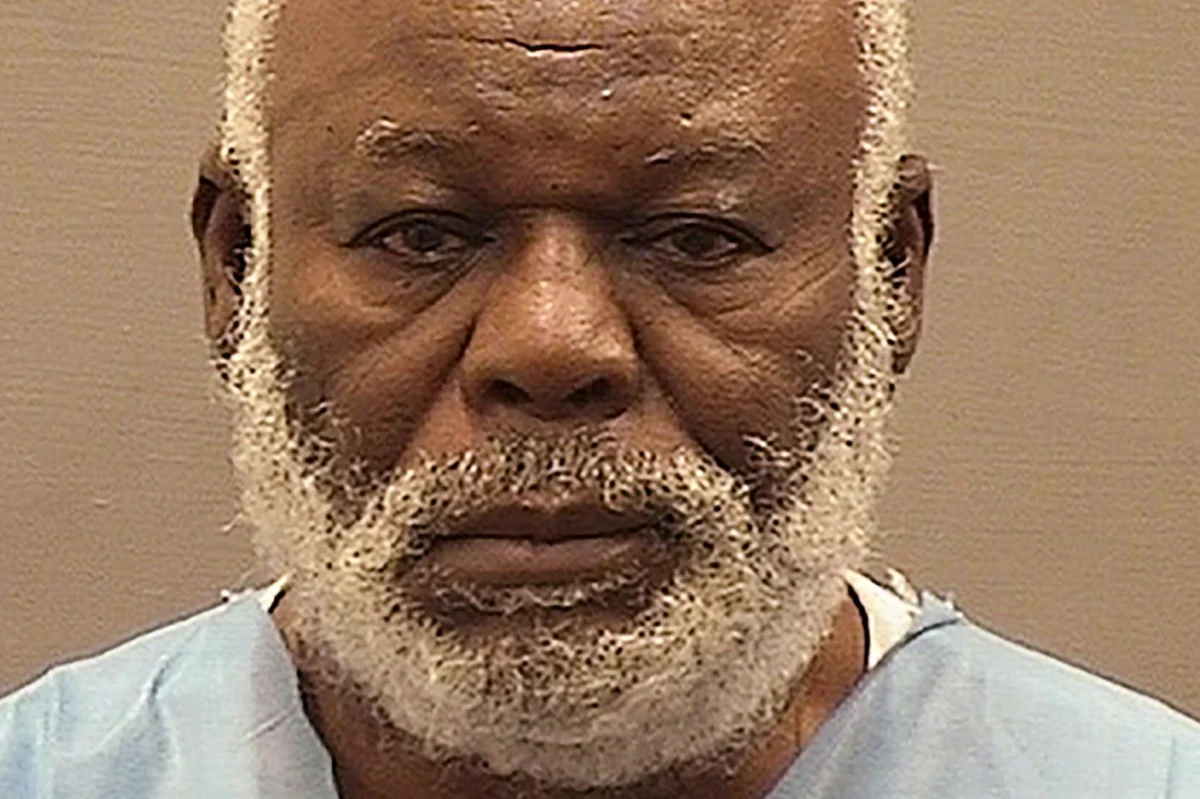
The long-anticipated trial of Abu Agila Mohammad Kheir Al-Marimi, the Libyan national accused of constructing the explosive device that brought down Pan Am Flight 103 over Lockerbie, Scotland, has been postponed for an unprecedented third time, just days before jury selection was slated to commence in Washington D.C. This latest setback stems from the abrupt emergence of new, undisclosed evidence, prompting a critical reassessment by both prosecution and defence and underscoring the enduring complexities of a case spanning nearly four decades.
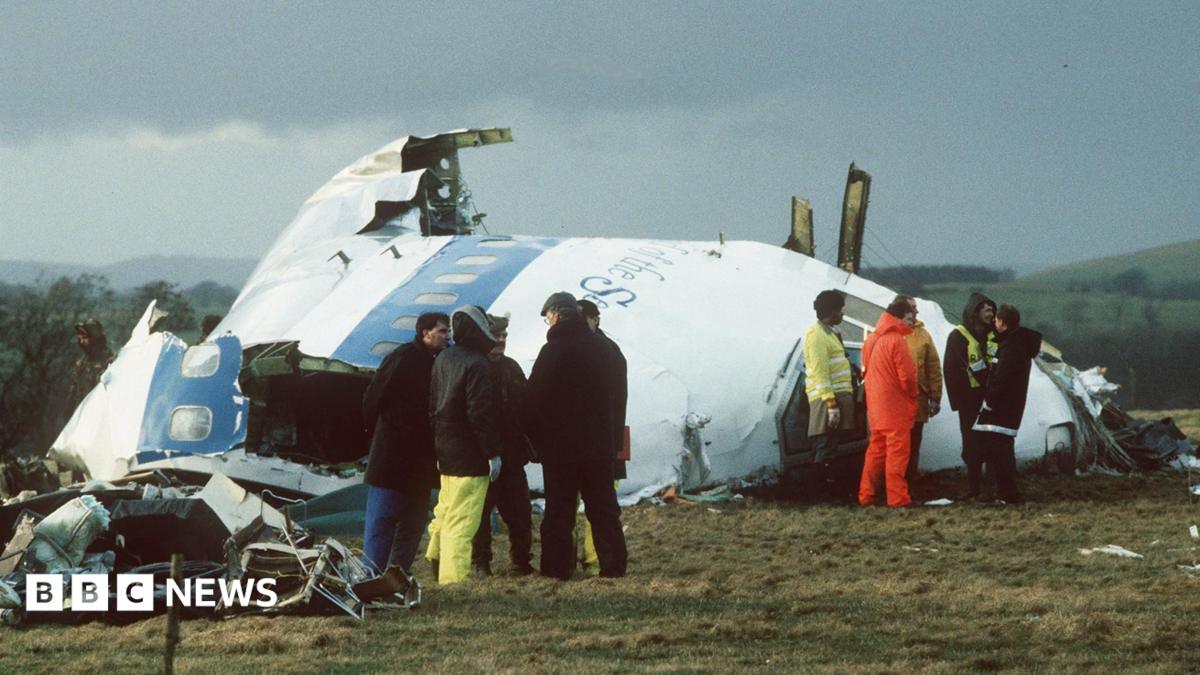
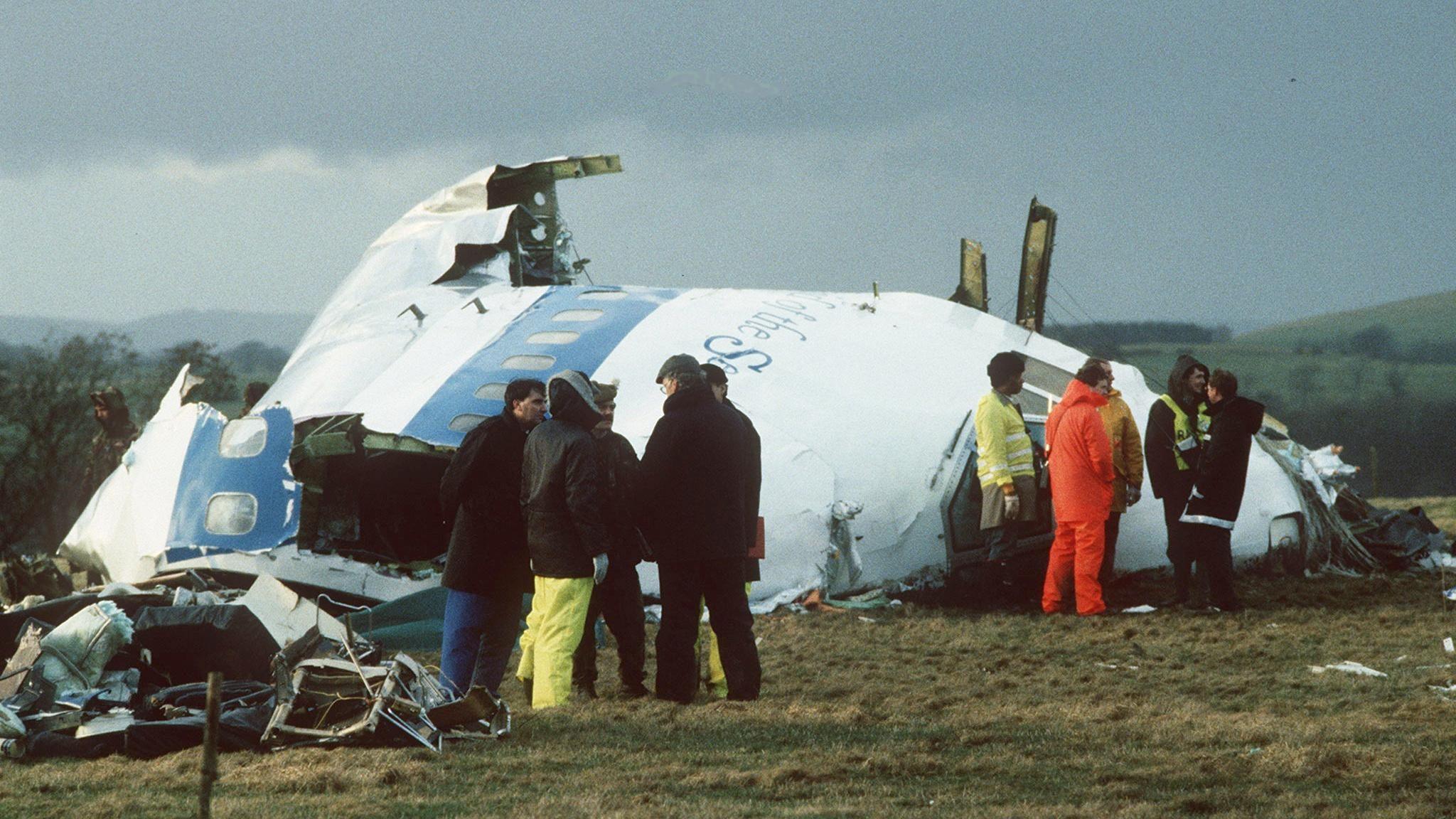
The catastrophic downing of Pan Am Flight 103 on December 21, 1988, remains one of the deadliest acts of terrorism in history, claiming the lives of all 259 passengers and crew aboard, along with 11 residents on the ground in Lockerbie. The incident sent shockwaves across the globe, initiating an exhaustive international investigation and a protracted quest for justice that has been fraught with legal and geopolitical challenges. The flight, originating from London Heathrow and bound for New York, disintegrated at an altitude of 31,000 feet, scattering wreckage and human remains across a wide area of rural Scotland, transforming the quiet town of Lockerbie into an instant emblem of global tragedy. The profound human cost, particularly the loss of 190 American citizens and 43 British nationals, cemented its place as a pivotal moment in the history of international counter-terrorism efforts and diplomatic relations between the United States, the United Kingdom, and Libya.
The initial investigation into the bombing was unparalleled in its scope and complexity, involving law enforcement agencies and intelligence services from multiple nations. Forensic specialists meticulously reconstructed fragments of the aircraft and the bomb itself, gradually piecing together the narrative of the sophisticated terrorist plot. This arduous process eventually led investigators to conclude that the attack was orchestrated by agents of the Libyan intelligence service under the regime of Muammar Gaddafi. The identification of key suspects, including Abdelbaset Ali Mohmet al-Megrahi and Al Amin Khalifah Fhimah, marked a significant milestone, though their eventual apprehension and trial would prove to be a testament to the intricate dance of international diplomacy and legal jurisdiction.
The unique legal proceedings that followed, held at Camp Zeist in the Netherlands under Scottish law, represented an extraordinary effort to overcome geopolitical stalemates and ensure justice. In May 2000, three Scottish judges convened to hear the evidence against Megrahi and Fhimah, ultimately delivering a verdict that resonated globally. After eight months of testimony and deliberation, the court concluded that the atrocity was an act of state-sponsored terrorism. Abdelbaset Ali Mohmet al-Megrahi was convicted of mass murder and sentenced to life imprisonment, becoming the only individual ever found guilty in connection with the bombing. His co-accused, Al Amin Khalifah Fhimah, was acquitted and subsequently returned to Libya, where he received a hero’s welcome, a stark contrast that highlighted the deep divisions in perception surrounding the case.
Megrahi’s conviction, while a landmark moment, did not bring an end to the controversies. His case was twice referred to the appeal court by the Scottish Criminal Cases Review Commission (SCCRC), which investigates potential miscarriages of justice. Despite persistent doubts raised by some legal experts and campaigners regarding the evidence that led to his conviction, the appeals were ultimately unsuccessful, and his conviction was upheld. In 2009, Megrahi was controversially released from prison on compassionate grounds due to terminal cancer, a decision made by the Scottish government that sparked outrage among victims’ families and politicians, particularly in the United States. He died in Libya in 2012, his guilt or innocence continuing to be a subject of intense debate and a source of enduring pain for many connected to the tragedy.
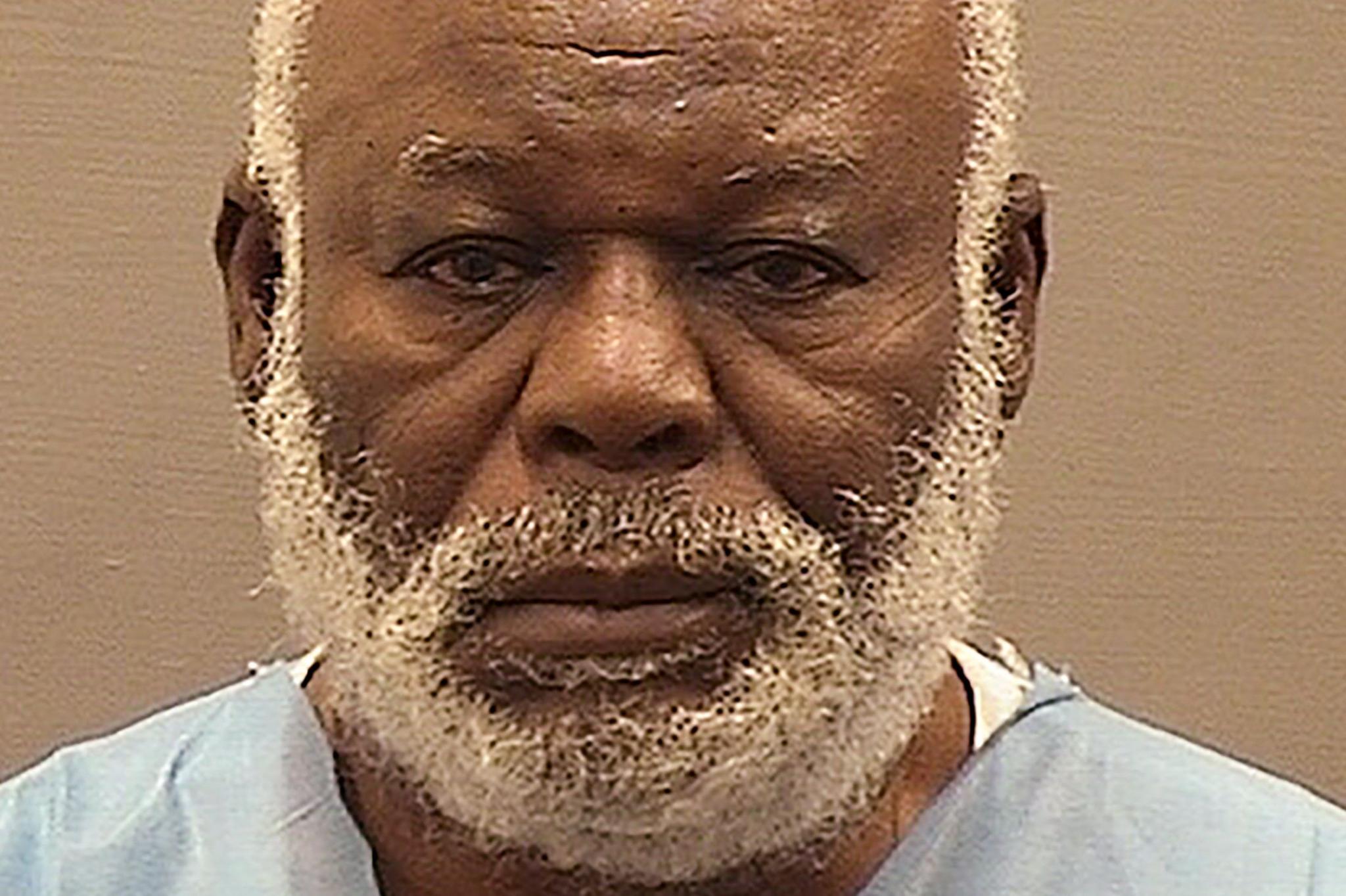
The current focus on Abu Agila Mohammad Kheir Al-Marimi represents a renewed push for accountability, almost 37 years after the devastating event. Al-Marimi, described as a grandfather in his 70s, has been implicated as the alleged bomb-maker, a crucial figure in the operational execution of the attack. His apprehension and transfer to U.S. custody in December 2022 signaled a significant breakthrough, offering the prospect of a new chapter in the long quest for justice for the victims and their families. He stands accused of constructing the very device that tore Pan Am Flight 103 from the sky, a charge he vehemently denies.
The recent discovery of "newly discovered evidence" on Friday, August 21, is the primary catalyst for this latest postponement. Details surrounding the nature of this evidence remain undisclosed, but its immediate impact on the proceedings is undeniable. Both the defence and the U.S. government prosecutors were reportedly unaware of its existence until just days before the trial was set to begin. Such an eleventh-hour revelation, especially in a case of this magnitude and historical import, necessitates a thorough and meticulous investigation by the defence team. Lawyers for Al-Marimi swiftly conveyed to the court that "Constitutional and ethical obligations require the defence to investigate this development," emphasizing the fundamental right to a fair trial and the imperative to examine all pertinent information. Following consultations with Al-Marimi on Sunday, his legal representatives formally requested the postponement, a request to which the presiding trial judge, Dabney Friedrich, assented.
Judge Friedrich’s decision to set aside the scheduled start date, despite months of preparation and extensive pre-trial legal skirmishes, underscores the potential gravity and relevance of this newly surfaced material. In complex, high-profile cases, judicial reluctance to grant such last-minute delays is typically high, indicating that the evidence in question likely holds substantial weight, potentially impacting the core arguments of either the prosecution or the defence. The postponement, which now pushes the trial’s commencement to January of next year, inevitably prolongs the agonizing wait for a verdict for the victims’ families, who have endured decades of legal proceedings, political maneuvering, and emotional anguish. For Al-Marimi himself, this delay means continued detention and an extended period of uncertainty regarding his fate.
This is not the first time Al-Marimi’s trial has faced delays. Initially slated to begin in May 2025, that date was revised following a joint request from both prosecution and defence, citing the inherent complexity of the case and Al-Marimi’s reported ill health. A subsequent rescheduling for April of the current year was also abandoned after the defence requested additional time to adequately prepare for the intricate legal battle ahead. Each postponement adds layers of logistical challenges, financial burdens, and emotional strain to all parties involved, particularly those seeking closure after so many years.
The Lockerbie bombing has been the subject of a relentless joint Scottish-U.S. investigation since its immediate aftermath in December 1988. This enduring collaborative effort reflects the international commitment to bringing all perpetrators to justice. Scottish prosecutors from the Crown Office and detectives from Police Scotland were poised to travel to Washington to attend the trial, with Scottish witnesses expected to be among the first to provide testimony. Laura Buchan, head of the Lockerbie investigation team at the Crown Office and Procurator Fiscal Service, acknowledged the profound disappointment this latest adjournment would undoubtedly cause the families and the many individuals who have closely followed the case over the decades. She reiterated that while the proceedings are being led by U.S. authorities, Scottish legal and law enforcement personnel remain fully dedicated to supporting the pursuit of justice, underscoring the ongoing international cooperation that characterizes this extraordinary case.
A central element of the prosecution’s case against Al-Marimi rests on an alleged confession. The U.S. government contends that Al-Marimi admitted his involvement in the bombing alongside Megrahi and Fhimah during questioning at a Libyan detention facility in 2012. This alleged confession was subsequently handed over to Scottish investigators in 2017 and is now considered a pivotal piece of evidence. However, Al-Marimi’s defence team vigorously disputes the confession’s validity, asserting that it was obtained under duress and is therefore false. Despite these objections, Judge Friedrich previously ruled that the alleged confession would be admissible as evidence during the trial, setting the stage for a critical legal battle over its credibility and circumstances. The emergence of new evidence could potentially pertain to the circumstances surrounding this confession, the chain of custody of information, or other elements that could either corroborate or undermine its veracity.
The implications of this latest delay are far-reaching. For the victims’ families, the postponement represents a continuation of their decades-long ordeal, deferring yet again the hope for a definitive resolution and a full accounting of the tragedy. The emotional toll of such prolonged legal processes is immense, transforming a quest for justice into an enduring saga. From a legal standpoint, delays in such an aged case introduce inherent challenges, including the potential for witness memories to fade, the integrity of evidence to be questioned, and the sheer logistical effort required to maintain prosecutorial readiness over an extended period. The judicial system, while striving for expediency, must ultimately prioritize due process and the constitutional rights of the accused, especially when new information surfaces that could fundamentally alter the course of a trial.
Looking ahead, the recommencement of the trial in January next year will mark another critical juncture in this historic case. Jury selection will once again be a meticulous process, followed by opening statements, the presentation of evidence, and the cross-examination of witnesses. The defence will undoubtedly continue to challenge the admissibility and credibility of Al-Marimi’s alleged confession, while the prosecution will strive to build a compelling case linking him directly to the construction of the bomb. Regardless of the eventual outcome, the trial of Abu Agila Mohammad Kheir Al-Marimi stands as a poignant reminder of the enduring human cost of terrorism and the relentless, often decades-long, global pursuit of accountability. The Lockerbie bombing continues to cast a long shadow, shaping international legal frameworks for prosecuting acts of terrorism and serving as a stark illustration of the unwavering determination of victims’ families and justice systems to see perpetrators held responsible, no matter how much time has passed. The unfolding legal proceedings will continue to be closely scrutinized, not only for their immediate impact on Al-Marimi but for their broader implications for international law and the pursuit of justice in an increasingly complex global landscape.




 Aura Kasih
 Safa Marwah
 Ayu Aulia