Lisa Mariana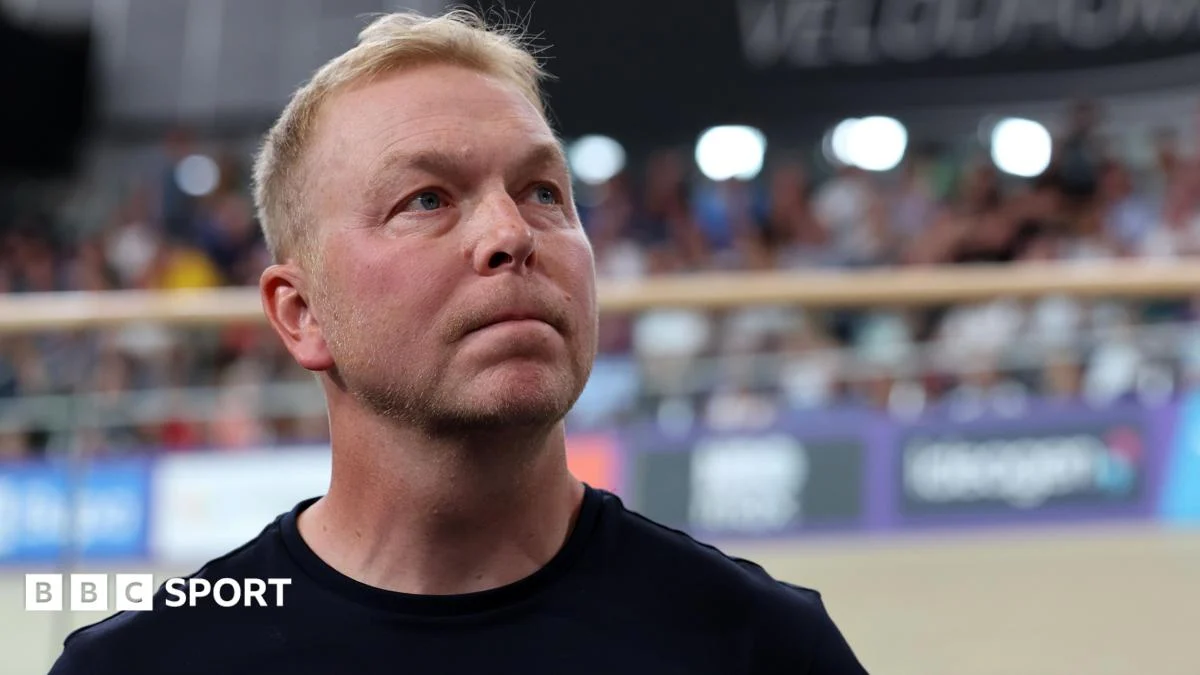
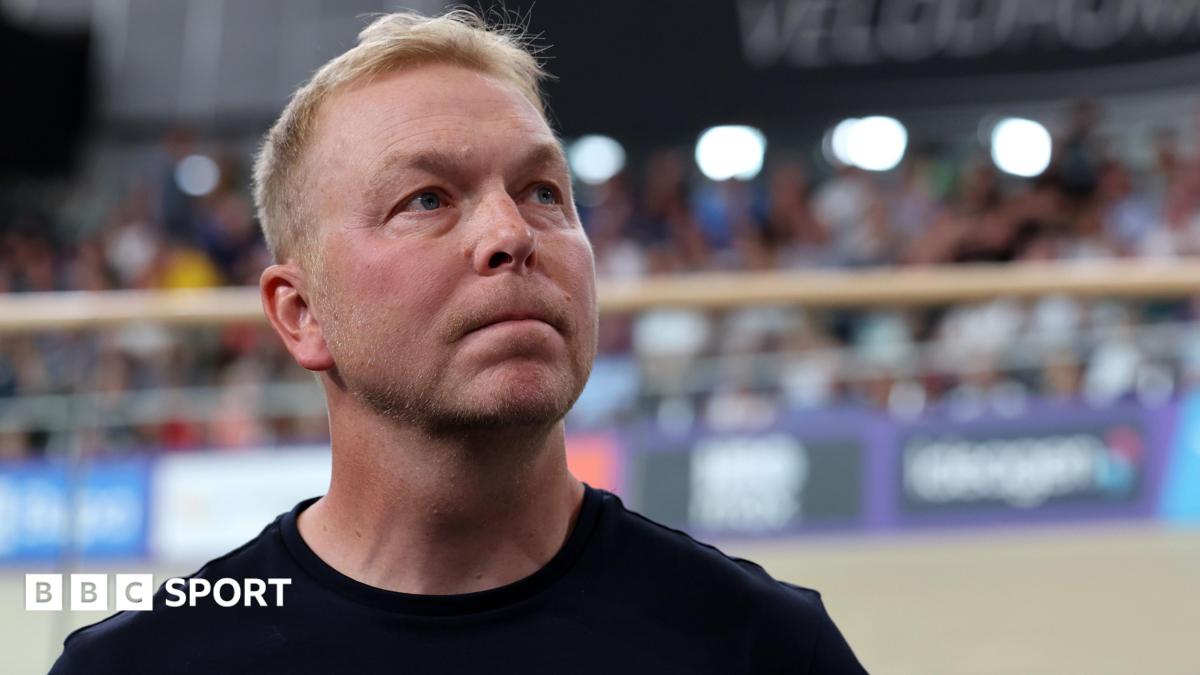
Sir Chris Hoy, the esteemed Olympic cycling champion, has underscored the critical need for comprehensive, government-led initiatives to educate men on prostate cancer risks and facilitate early detection, asserting that the weighty responsibility for public health awareness should not predominantly rest upon the shoulders of high-profile individuals alone. His powerful advocacy emerges from a deeply personal battle with stage 4 prostate cancer, a diagnosis he received at the age of 47, just prior to his 50th birthday in March. While acknowledging the unique platform afforded by his public stature, Hoy contends that a more robust, institutionalized framework is essential to ensure widespread awareness and actionable engagement with this pervasive disease.
The reliance on celebrity endorsements, while undeniably impactful in generating momentary surges of public interest, presents inherent limitations for sustainable public health campaigns. Hoy’s perspective critically examines this dynamic, arguing that such ad-hoc efforts, however well-intentioned, cannot substitute for a consistent, systematically integrated approach within national healthcare infrastructures. Public health paradigms, by design, aim for universal reach and equitable access to information and preventive measures. When the impetus for awareness is largely driven by individual narratives, the message can become fragmented, its reach uneven, and its longevity dependent on the sustained visibility of a few prominent figures. This creates a reactive rather than a proactive health landscape, where awareness often spikes only after a public figure reveals their diagnosis, rather than through continuous, preventative messaging.
Prostate cancer represents a significant public health challenge, frequently manifesting without discernible symptoms in its early, more treatable stages. The statistics, as highlighted by Hoy, are stark: an estimated 10,000 men in the United Kingdom annually receive a prostate cancer diagnosis too late, significantly diminishing their prognosis and treatment options. This alarming figure underscores a systemic failure to adequately inform and engage the male population regarding their personal risk factors and the importance of early intervention. Unlike other prevalent cancers, where national screening programs are well-established and routinely offered (such as bowel cancer screening, which Hoy himself recently received), prostate cancer screening remains a subject of considerable debate within the medical community, primarily due to the complexities surrounding the Prostate-Specific Antigen (PSA) test.
The PSA test, a blood test designed to measure levels of a protein produced by the prostate gland, is not without its controversies. While it serves as a valuable indicator that can signal the presence of prostate cancer, its limitations are widely acknowledged. Elevated PSA levels can result from non-cancerous conditions, leading to false positives, and conversely, some men with prostate cancer may have normal PSA levels. Furthermore, the detection of slow-growing, non-aggressive cancers through PSA testing can lead to "over-diagnosis" and "over-treatment," where men undergo invasive procedures with potential side effects (such as incontinence or erectile dysfunction) for cancers that might never have caused them harm during their lifetime. Hoy, however, articulates a nuanced position, suggesting that the imperfections of the PSA test primarily relate to treatment decisions, rather than the fundamental act of diagnosis. For him, the crucial first step is for men to "know their situation," empowering them with information that can then be discussed with medical professionals to determine the most appropriate course of action, balancing the risks and benefits of monitoring versus immediate intervention.
The call for a "more systematic and proactive approach" thus extends beyond simply advocating for the PSA test itself; it demands a comprehensive strategy for risk communication. This would involve a structured public information campaign detailing genetic predispositions, age-related risks, and ethnic disparities in prostate cancer incidence. For instance, men of African or Caribbean descent face a higher risk of developing prostate cancer and at an earlier age. Such targeted information, delivered through official health channels rather than relying on intermittent media coverage, could significantly enhance men’s understanding of their individual vulnerability, thereby fostering a culture of informed health engagement. The current vacuum, where formal guidance is less prevalent, inadvertently places the onus on individuals to navigate complex medical information, often without adequate support or clarity.
In the absence of such a systematic framework, Hoy acknowledges the interim necessity for men to "take it on their own shoulders." He insightfully points out the human tendency to defer unpleasant considerations, especially amidst the demands of daily life. This underscores the psychological barrier to proactive health management for conditions that are not immediately symptomatic. It is precisely this inertia that a well-designed national campaign could counteract, normalizing discussions about prostate health and integrating screening awareness into routine health checks, much like other preventative health measures. The comparison to the bowel cancer screening letter he received, a routine, unsolicited invitation, powerfully illustrates the kind of proactive outreach he envisions for prostate cancer.
Beyond his direct advocacy for policy change, Sir Chris Hoy has channeled his personal experience into tangible action through the establishment of the "Tour De 4" charity cycle event. This initiative, conceived as a means of "doing something positive from a very difficult situation," embodies a multi-faceted approach to addressing the impact of prostate cancer. It aims not only to raise vital funds for research and support services but also to fundamentally alter public perceptions of what it means to live with stage 4 cancer. By bringing together individuals who share similar diagnoses, their families, and those remembering loved ones lost to the disease, the Tour De 4 fosters a powerful sense of community and solidarity. It serves as a "celebration of life," offering a beacon of hope and resilience, demonstrating that a diagnosis does not equate to the end of active, purposeful living. This communal aspect is critical in combating the isolation and despair that can accompany a serious cancer diagnosis, transforming personal struggle into collective strength.
Hoy’s advocacy extends beyond prostate cancer, demonstrating a broader commitment to systemic change in healthcare. He expressed profound admiration for Scottish swimmer Archie Goodburn’s impassioned plea to the Prime Minister for increased funding for brain cancer research, hoping for substantive outcomes. This sentiment, however, is tempered by a pragmatic skepticism regarding political responses. Hoy articulates a common concern among advocates: that public outcry often elicits superficial political gestures, such as "chats" or promises to "look at it," which frequently amount to little more than delaying tactics. He emphasizes that "actions speak louder than words" and calls for demonstrable, practical changes rather than ephemeral rhetorical commitments. His resolve, mirroring Goodburn’s, highlights a shared determination among patient advocates to hold policymakers accountable for implementing tangible improvements in healthcare provision and research funding.
In facing his own challenging diagnosis, Sir Chris Hoy maintains a remarkably resilient and pragmatic outlook. He states that he is currently "doing really well," choosing to focus on the present rather than succumbing to future anxieties. This philosophy of living actively and purposefully, despite the shadow of a serious illness, provides a powerful example of mental fortitude. It underscores the importance of psychological well-being as an integral component of living with cancer, emphasizing that life continues and can be embraced with vigor and optimism.
The "Tour De 4" event, scheduled for Sunday, September 6, commencing and concluding at the Sir Chris Hoy Velodrome in Glasgow, stands as a testament to this spirit. It represents a tangible manifestation of Hoy’s belief in community, resilience, and proactive engagement. Ultimately, Sir Chris Hoy’s impassioned call is for a fundamental shift in how society and healthcare systems address prostate cancer. While grateful for the platform his public profile provides, he insists that the long-term solution lies not in the intermittent spotlight of celebrity, but in the sustained, equitable, and proactive illumination of a comprehensive national health strategy. His experience serves as a compelling reminder that the responsibility for public health extends beyond individual choices; it is a collective imperative demanding systematic action from the highest levels of governance to ensure that all men are empowered to understand their risk and access timely, life-saving information and care.




 Aura Kasih
 Safa Marwah
 Ayu Aulia