Ayu Aulia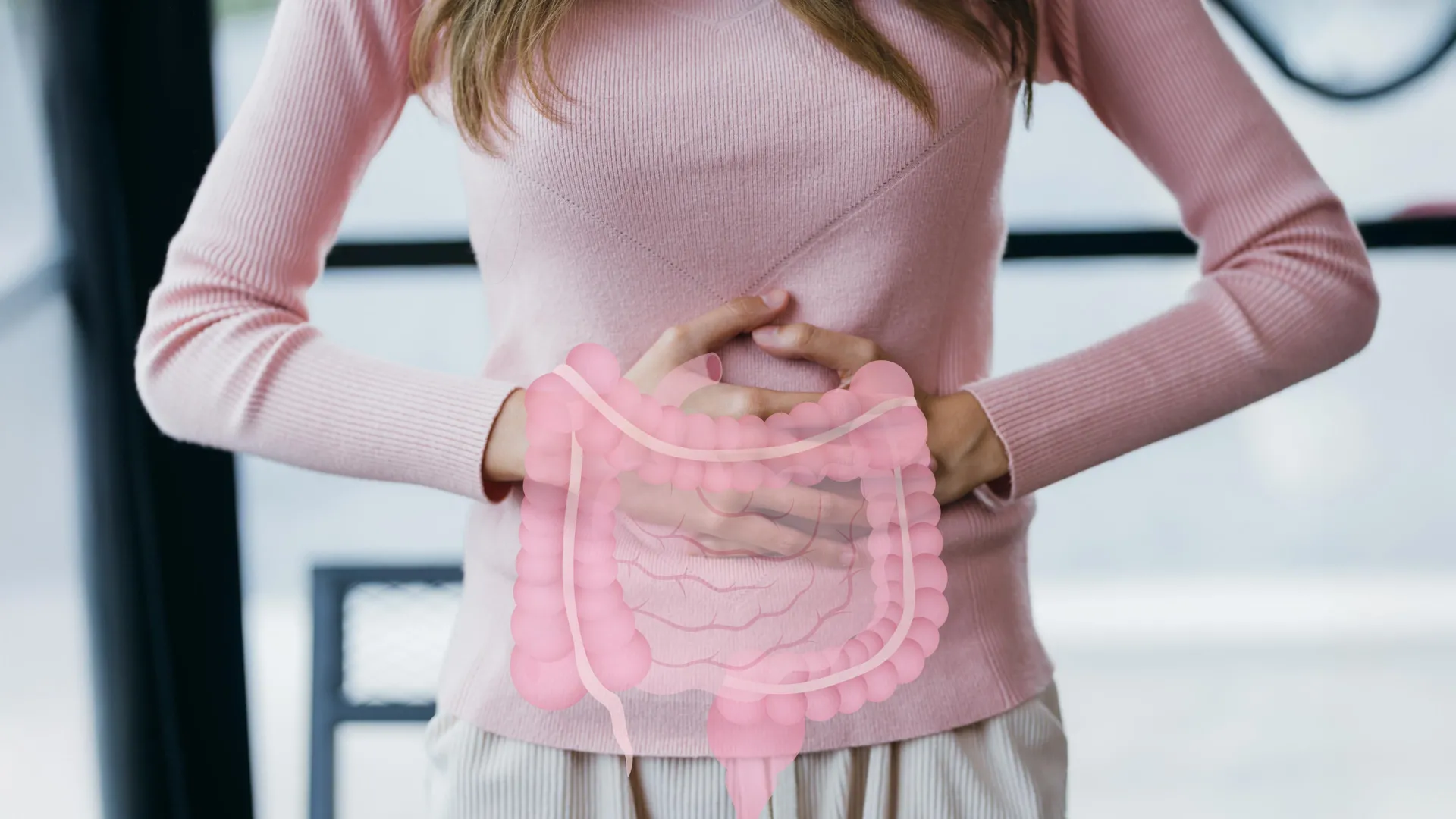
Groundbreaking research from Toho University has illuminated the significant potential of ferulic acid, a naturally occurring polyphenol abundant in sources like rice bran, to influence the intricate muscular contractions of the gastrointestinal tract. This discovery offers a novel perspective on managing debilitating conditions characterized by abnormal intestinal movement, such as irritable bowel syndrome (IBS) and inflammatory bowel disease (IBD), by revealing a mechanism through which this common dietary compound can modulate gut function. The study, spearheaded by a team including Dr. Keisuke Obara, Dr. Kento Yoshioka, and Professor Yoshio Tanaka from the Faculty of Pharmaceutical Sciences, identifies ferulic acid (FA) as a potent inhibitor of intestinal smooth muscle contractions, primarily through its action on voltage-dependent calcium channels. This fundamental insight lays the groundwork for exploring new dietary and therapeutic strategies aimed at restoring physiological balance within the digestive system.
The Enigma of Intestinal Motility Disorders: A Growing Public Health Challenge
Irritable bowel syndrome (IBS) and inflammatory bowel disease (IBD), encompassing conditions like Crohn’s disease and ulcerative colitis, represent a spectrum of chronic gastrointestinal disorders that significantly impair the quality of life for millions globally. While their etiologies are complex and multifaceted, involving genetic predispositions, environmental factors, immune dysregulation, and alterations in the gut microbiome, a common thread linking many of their symptoms is aberrant intestinal motility. In individuals with IBS, for instance, the gut may contract too forcefully or too frequently, leading to diarrhea and abdominal pain, or conversely, contractions may be sluggish, resulting in constipation. Similarly, IBD patients often experience severe abdominal discomfort, altered bowel habits, and inflammation, all of which can be exacerbated by or contribute to dysregulated gut movement.
Current therapeutic approaches for these conditions often focus on symptom management, anti-inflammatory agents, or immunomodulators, yet many patients continue to experience persistent and debilitating symptoms. The search for effective, well-tolerated, and ideally, naturally derived interventions remains a critical area of medical research. This unmet need underscores the importance of investigating compounds like ferulic acid, which possess a broad safety profile and are readily available through diet, for their potential to offer novel avenues for symptomatic relief and disease management.
Ferulic Acid: A Ubiquitous Dietary Polyphenol with Emerging Biological Roles
Ferulic acid (FA), a phenolic acid and a prominent member of the polyphenol family, is widely distributed across the plant kingdom. It is particularly concentrated in the cell walls of various plant-based foods, including whole grains such as oats, wheat, and barley, as well as fruits, vegetables, and coffee. Rice bran, a byproduct of rice milling, stands out as an exceptionally rich source. For decades, FA has garnered scientific attention primarily due to its well-documented antioxidant and neuroprotective properties. Its ability to scavenge free radicals, chelate metal ions, and upregulate endogenous antioxidant enzymes has implicated it in protective roles against oxidative stress-related diseases, including cardiovascular disorders, neurodegenerative conditions, and certain cancers. Furthermore, research has explored its anti-inflammatory effects and its potential to modulate immune responses.
Despite this extensive body of knowledge regarding its systemic benefits, the direct influence of ferulic acid on gastrointestinal motility – the precisely orchestrated series of muscular contractions that propel digesta through the digestive tract – remained largely unexplored until the recent work by the Toho University team. This gap in understanding presented a crucial opportunity, given the compound’s direct interaction with the gut lumen upon consumption and its known safety profile. The researchers posited that if FA could directly modulate gut muscle activity, it might offer a targeted approach to addressing motility disturbances, distinct from its broader antioxidant effects.
Unraveling the Mechanism: FA’s Impact on Smooth Muscle Contraction
To investigate ferulic acid’s effects on intestinal movement, the research team employed a rigorous in vitro model utilizing guinea pig ileal longitudinal smooth muscle (ILSM). This established ex vivo system allows for precise control over experimental conditions and direct observation of muscle contractility in response to various stimuli. The findings were compelling: ferulic acid significantly attenuated muscle contractions induced by a diverse array of physiological signaling molecules. These included acetylcholine, a primary neurotransmitter involved in gut motility; histamine, known for its role in inflammatory and allergic responses; prostaglandin F2α, a lipid mediator with contractile properties; and serotonin, another crucial neuromodulator in the enteric nervous system. The observed inhibitory effect was characterized by two critical features: it was reversible, meaning normal contractions resumed once FA was removed from the experimental medium, and it was concentration-dependent, indicating a stronger inhibitory action at higher concentrations of the compound.
Further mechanistic exploration revealed that ferulic acid acted in a noncompetitive manner. This distinction is crucial in pharmacology; a competitive inhibitor typically binds to the same receptor site as the natural ligand, blocking its action. A noncompetitive inhibitor, conversely, binds to a different site on the receptor or enzyme, altering its conformation or function in a way that reduces the efficacy of the natural ligand, regardless of its concentration. This suggests that FA was not merely occupying specific receptor sites for acetylcholine or serotonin, but rather interfering with a more fundamental, shared mechanism integral to smooth muscle contraction.
The researchers pursued this deeper understanding by investigating the role of calcium signaling, a universally recognized trigger for muscle contraction. Using vascular smooth muscle cell models, they observed that ferulic acid effectively reduced the rise in intracellular calcium concentrations induced by potassium chloride, a well-known depolarizing agent that opens voltage-dependent calcium channels. This finding provided the critical piece of the puzzle: FA appears to suppress smooth muscle contraction by inhibiting voltage-dependent calcium channels.
The Central Role of Calcium in Smooth Muscle Physiology
To fully appreciate the significance of this discovery, it is essential to understand the pivotal role of calcium ions in smooth muscle contraction. Unlike skeletal muscle, which is under voluntary control, smooth muscle functions autonomously, governing the involuntary movements of organs like the intestines, blood vessels, and bladder. The contraction of smooth muscle cells is a finely tuned process initiated by an increase in intracellular calcium levels. When a smooth muscle cell receives a contractile signal (e.g., from a neurotransmitter or hormone), voltage-dependent calcium channels on its membrane open, allowing calcium ions to rush into the cell from the extracellular space. This influx of calcium, along with calcium released from internal stores, binds to a protein called calmodulin. The calcium-calmodulin complex then activates an enzyme called myosin light chain kinase (MLCK), which in turn phosphorylates the myosin light chains. This phosphorylation enables myosin heads to interact with actin filaments, leading to cross-bridge cycling and ultimately, muscle contraction. By blocking voltage-dependent calcium channels, ferulic acid effectively reduces the initial surge of calcium into the smooth muscle cell, thereby dampening the entire contractile cascade. This fundamental interference with a universal mechanism explains its broad inhibitory effects on contractions induced by various signaling molecules.
Potential Therapeutic Implications and Nuances for Gut Disorders
The ability of ferulic acid to calm excessive smooth muscle activity holds significant promise, particularly for individuals suffering from conditions characterized by hypermotility, such as diarrhea-predominant IBS (IBS-D) or certain manifestations of IBD where rapid transit and frequent contractions contribute to symptoms. By modulating the frequency and intensity of intestinal contractions, FA could potentially alleviate diarrhea, reduce abdominal cramping, and improve overall digestive comfort in these patient populations.
However, the implications are not universally beneficial across all types of gastrointestinal disorders. The same inhibitory effect that offers relief for hypermotility could be detrimental for individuals with constipation-predominant IBS (IBS-C) or in healthy individuals prone to constipation. In these cases, further slowing of intestinal movement could exacerbate symptoms, leading to increased discomfort, bloating, and infrequent bowel movements. This highlights the critical need for careful patient stratification and personalized approaches should ferulic acid-based interventions progress to clinical application. The development of such therapies would necessitate precise diagnostic tools to identify patients whose specific motility patterns would benefit from FA’s mechanism of action.
Translational Challenges and the Path Forward: From Bench to Bedside
While the in vitro findings are robust and mechanistically insightful, translating these laboratory observations into practical human interventions requires navigating several crucial challenges. The researchers candidly acknowledged that the concentrations of ferulic acid required to elicit a significant inhibitory effect in the guinea pig muscle tissues were higher than the typical blood plasma levels achieved through normal dietary intake. This disparity raises questions about the systemic bioavailability of FA and whether sufficient concentrations can reach target tissues in vivo to produce a therapeutic effect.
However, a critical nuance lies in the direct interaction of dietary compounds with the gastrointestinal tract. Upon consumption, ferulic acid comes into direct contact with the intestinal lumen, where its local concentrations may be significantly higher than those found systemically in the bloodstream. This "first pass" exposure within the gut could potentially allow for effective modulation of intestinal smooth muscle cells lining the digestive tract, even if systemic absorption is modest. Further research is imperative to precisely quantify ferulic acid concentrations within the intestinal lumen and tissue layers after dietary intake or supplementation.
The journey from a promising laboratory discovery to a validated therapeutic strategy is long and arduous. The next critical steps involve rigorous human clinical trials. These trials would need to:
- Confirm Efficacy and Safety: Assess whether ferulic acid, delivered through diet, supplements, or targeted formulations, can indeed reduce intestinal contractions and alleviate symptoms in human patients with specific motility disorders. Safety assessments, including potential side effects and interactions with other medications, are paramount.
- Determine Optimal Dosage and Delivery: Establish safe and effective intake levels, considering various delivery methods and formulations that optimize local gut concentrations while minimizing systemic exposure if not desired.
- Identify Responsive Patient Subgroups: Precisely define which patients, based on their specific symptoms and underlying motility patterns, are most likely to benefit from FA intervention. This could involve advanced diagnostic techniques for gut motility assessment.
- Explore Long-Term Effects: Evaluate the long-term impact of chronic ferulic acid consumption on gut health, microbiome composition, and overall well-being.
Beyond the Lab: The Broader Implications for Functional Foods and Nutraceuticals
The insights gleaned from this research extend beyond the realm of pharmaceutical development, offering significant implications for the functional food and nutraceutical industries. If further human studies confirm its efficacy, ferulic acid could become a key ingredient in designer foods or dietary supplements specifically formulated to support digestive health and manage symptoms of motility disorders. This aligns with a growing consumer demand for natural, dietary-based solutions to health challenges.
Moreover, the study contributes to a broader understanding of how dietary components can exert specific physiological effects, moving beyond generalized antioxidant claims to pinpoint precise molecular mechanisms. This level of detail is crucial for developing evidence-based dietary recommendations and personalized nutrition strategies. The discovery underscores the immense potential hidden within common food ingredients and highlights the ongoing imperative for scientific inquiry into the complex interplay between diet and human health.
In conclusion, the research identifying ferulic acid’s ability to inhibit intestinal smooth muscle contractions by blocking voltage-dependent calcium channels represents a significant advance in our understanding of gut motility regulation. While much work remains, particularly in translating these findings to human clinical contexts, this study provides a robust scientific foundation for exploring ferulic acid as a novel and naturally derived agent for managing challenging gastrointestinal motility disorders, ultimately offering hope for improved quality of life for millions worldwide.



 Aura Kasih
 Safa Marwah