Aura Kasih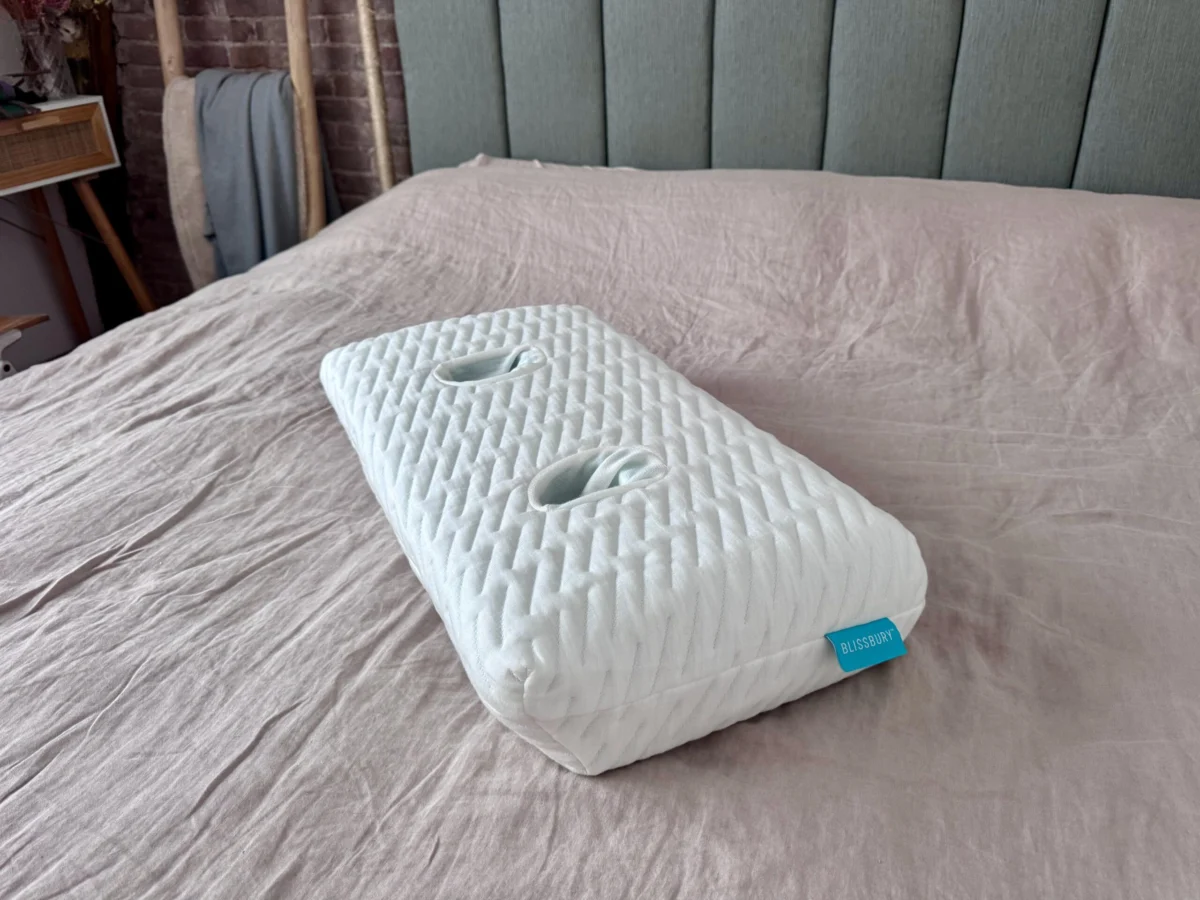
In an era dominated by sophisticated technological advancements, the market is increasingly flooded with specialized gadgets promising to enhance our lives, particularly our sleep. Companies are investing heavily in intricate devices designed to address minor inconveniences, a prime example being the proliferation of high-priced sleepbuds. These compact audio devices, championed by manufacturers like Anker and Ozlo, are engineered to fit discreetly within the ear canal, enabling individuals to enjoy podcasts, audiobooks, music, or white noise without disturbing their partners. However, the substantial investment of over $200 for such niche accessories warrants a critical examination of their value proposition when more accessible and enduring alternatives exist.
The core of this discussion revolves around a product category that, while seemingly unconventional, offers a compelling counterpoint to the silicon-and-circuitry approach to sleep enhancement: the specialized pillow. These pillows, often marketed under the moniker of "piercing pillows," are designed with a specific purpose: to alleviate discomfort for individuals with recently pierced ears. Their defining feature is a carefully designed cutout, engineered to suspend the ear, thereby eliminating pressure on sensitive tissues during sleep. The efficacy of this design, however, extends beyond its primary intended application. It has been observed that these pillows provide an equally effective solution for individuals who wish to sleep with modern earbuds – encompassing brands like Apple’s AirPods, Samsung’s Galaxy Buds, Google’s Pixel Buds, and a myriad of other contemporary audio devices – without experiencing the discomfort associated with pressure points. This dual functionality positions these pillows as a versatile and cost-effective alternative to specialized sleep audio technology.
The landscape of piercing pillows offers a remarkable diversity in design, catering to a wide spectrum of user preferences. Variations in shape, size, and firmness abound, allowing consumers to select an option that best suits their individual sleeping habits and anatomical considerations. One such option that exemplifies this range is the Blissbury Ear Pillow, priced at approximately $55. Its appeal lies in its thoughtful design, notably the inclusion of two ear cutouts, which significantly enhances its adaptability. This dual-cutout configuration is particularly advantageous for individuals who employ varied sleeping positions throughout the night.
For side-sleepers, the traditional challenge lies in finding a sleeping surface that accommodates the ear without creating undue pressure. The Blissbury pillow’s dual cutouts address this by offering flexibility. Whether one adopts a more "authoritarian cuddle" position, involving the strategic placement of arms and torso, or a more traditional, albeit rigid, fetal posture, the pillow’s design ensures that the ear remains suspended and free from direct contact with the sleeping surface. The placement of these cutouts, positioned slightly below the centerline of the pillow, is a subtle yet crucial design element. This allows the openings to naturally align with the ear’s contours when the head is positioned on the pillow, making them relatively easy to locate even during nocturnal shifts in sleep position. This ergonomic consideration minimizes the fumbling and readjustment often associated with finding a comfortable ear position, contributing to a more seamless and restorative sleep experience.

The construction of the Blissbury Ear Pillow features a high-density memory foam core, a material choice that contributes to its overall firmness and supportive qualities. This offers a robust sleeping surface, a characteristic that many side-sleepers find essential for spinal alignment and comfort. The pillow’s thickness is adjustable, ranging from four to five inches, by utilizing a removable foam insert. This customization allows users to fine-tune the loft of the pillow to match their existing preferences or the height of their previous bedding. Furthermore, the pillow is equipped with a removable outer cover, facilitating easy cleaning and maintenance, a practical consideration for hygiene and longevity.
In terms of dimensions, the Blissbury Ear Pillow measures approximately 26 inches in length and 15 inches in width. While slightly narrower than a standard US pillow, its dimensions are designed to work effectively with conventional pillowcases. The subtle sag that may occur with a standard case can actually be advantageous, as the excess fabric can be artfully tucked into the ear cutouts, further enhancing comfort and preventing any potential gaps. For those who prioritize aesthetic coordination in their bedroom, the pillow can be seamlessly integrated with existing bedding ensembles. Blissbury also provides foam fillers for the ear holes, a thoughtful inclusion that allows the pillow to be repurposed should it transition from primary use to a guest amenity.
The underlying principle behind the effectiveness of these specialized pillows is the fundamental biomechanics of sleep and the pressure distribution on the human body. When sleeping on one’s side, the ear is subjected to the direct weight of the head. Traditional pillows, regardless of their material or firmness, can exert significant pressure on the delicate cartilage and tissues of the ear. This pressure can lead to discomfort, pain, and a disruption of sleep. Specialized pillows with ear cutouts fundamentally alter this pressure distribution by creating a void, effectively suspending the ear and eliminating direct contact with the pillow. This simple yet ingenious design addresses a specific physical constraint that many individuals face, particularly those with ear piercings, but also, as noted, those who wish to wear earbuds.
The evolution of sleep technology has seen a significant focus on active noise cancellation and audio delivery during sleep. Companies like Bose, known for its expertise in audio engineering, have developed sleep-focused earbuds that integrate white noise, ambient sounds, and even personalized audio content. These devices often incorporate sophisticated algorithms to monitor sleep patterns and adjust audio output accordingly. However, the inherent limitations of such technologies must be acknowledged. Firstly, the cost remains a significant barrier for many consumers. Secondly, the physical presence of earbuds within the ear canal, even those designed for comfort, can still create pressure points, especially for side-sleepers. The act of sleeping with earbuds often necessitates a careful adjustment of the pillow and head position to ensure both comfort and optimal audio quality, a compromise that can be frustrating. Furthermore, the reliance on batteries and electronic components introduces concerns about longevity, charging requirements, and potential malfunctions. The eventual degradation of battery life over time necessitates replacement, adding to the ongoing cost of ownership.
In contrast, the piercing pillow represents a passive, mechanical solution. Its effectiveness is not dependent on battery life, software updates, or wireless connectivity. It is a physical object designed to optimize ergonomics. The materials used, such as memory foam, offer consistent support and pressure relief over extended periods. The absence of electronic components eliminates the potential for technical failures, making it a remarkably reliable and low-maintenance sleep accessory. While sleepbuds may offer sophisticated audio masking capabilities, particularly for disruptive noises like snoring, the piercing pillow provides a foundational solution for comfort that is paramount for a restful night’s sleep for a significant segment of the population.

The market for sleep aids is vast and multifaceted, encompassing everything from blackout curtains and weighted blankets to advanced sleep tracking devices and specialized mattresses. Within this landscape, the piercing pillow occupies a unique niche, addressing a specific, yet widespread, discomfort. Its growing popularity can be attributed to its practical effectiveness, affordability, and the growing awareness among consumers of the importance of ergonomic sleeping solutions. The trend towards personalization in consumer products also plays a role, as individuals seek solutions tailored to their unique needs and preferences.
Looking ahead, the continued development of specialized pillows is likely to focus on material innovation, further refining comfort and support. The integration of advanced textiles with cooling properties or enhanced hypoallergenic qualities could offer additional benefits. Furthermore, the exploration of customizable firmness levels, perhaps through modular insert systems or adjustable air chambers, could provide even greater personalization. The success of the piercing pillow model also suggests a broader opportunity for the development of similarly targeted, yet simple, ergonomic solutions for other common sleep-related discomforts.
In conclusion, while the allure of advanced technology is undeniable, it is essential to critically evaluate the necessity and efficacy of every proposed solution. The proliferation of expensive sleepbuds, while offering certain benefits, often overlooks a more fundamental and cost-effective approach to improving sleep comfort. The specialized pillow, particularly the piercing pillow, stands as a testament to the power of simple, well-engineered design. By addressing the physical constraints of sleeping with earbuds or accommodating ear piercings, these pillows offer a superior, sustainable, and significantly more affordable alternative. They underscore the principle that sometimes, the most effective solutions are not the most technologically complex, but rather the most thoughtfully conceived and practically applied. The quiet efficiency of an oddly shaped piece of foam can, in many cases, provide a more profound impact on sleep quality than a gadget laden with circuits and software.




 Safa Marwah
 Ayu Aulia