Aura Kasih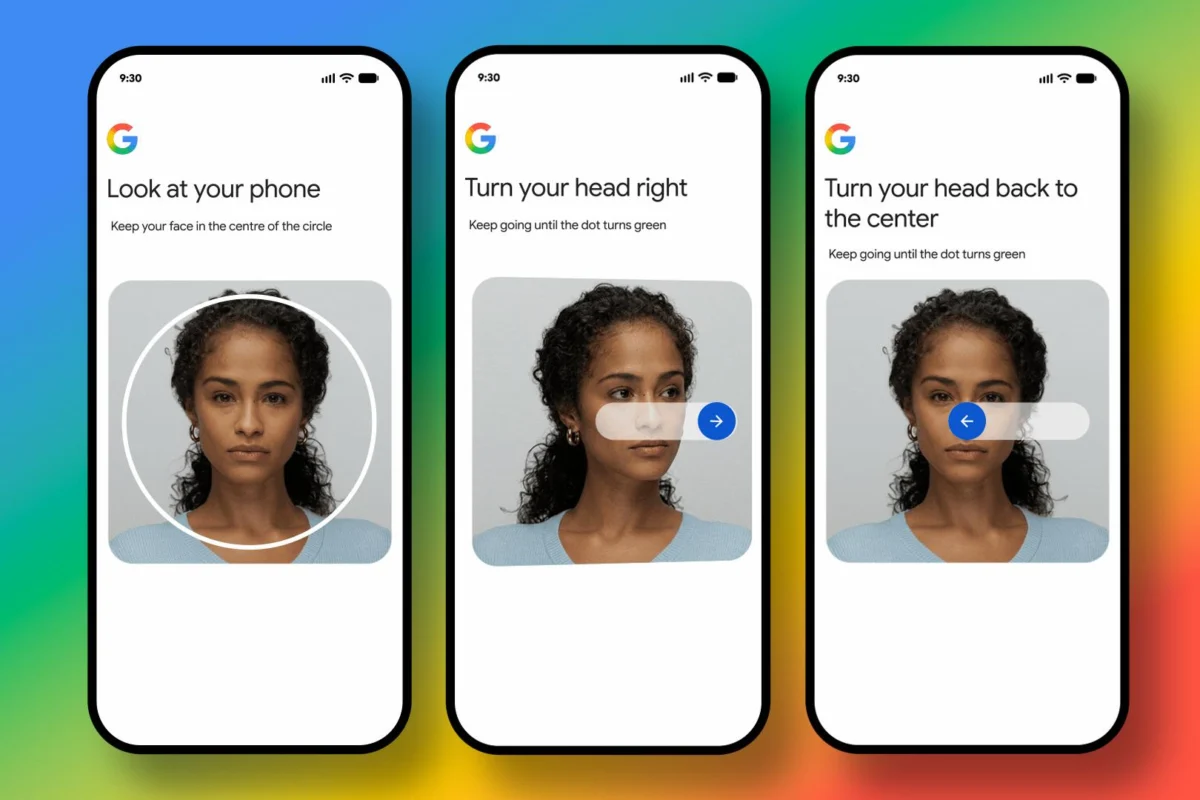
In a significant advancement for digital security and user accessibility, Google has introduced an innovative new method for account recovery, allowing users to authenticate their identity using a short video of their face. This biometric solution aims to provide a more intuitive and secure alternative for individuals who may be locked out of their accounts due to forgotten passwords or the unavailability of traditional two-factor authentication methods. The system, dubbed "selfie video sign-in," leverages advanced facial recognition technology to verify user identity through dynamic facial movements, offering a novel layer of security that is both accessible and robust.
The core of this new authentication process lies in the user’s ability to record a brief video segment of their face using either a mobile device or a personal computer. This captured video is then meticulously compared against a reference video previously stored by Google. This reference video serves as a secure digital blueprint of the user’s facial features and how they move, ensuring a high degree of accuracy in verification. The setup process is designed to be user-friendly, guiding individuals through a series of simple on-screen instructions that prompt them to make specific head movements. This ensures that multiple angles and nuances of their facial structure are captured, creating a comprehensive biometric profile. While the technology bears a resemblance to established facial recognition systems like Apple’s Face ID, it notably achieves its functionality without the necessity of specialized infrared sensors, making it broadly compatible across a wide range of devices.
Google emphasizes that the reference video data is encrypted and securely stored within its cloud infrastructure. This approach not only safeguards the sensitive biometric information but also makes it accessible for verification purposes from various devices, transcending the limitations of a single handset or computer. Users retain complete control over their data, with the option to delete their recorded selfie video at any time through their account settings. By default, this video is exclusively utilized for the purpose of account recovery. However, Google has also incorporated an opt-in feature, allowing users to choose to share this biometric data for other potential applications, thereby expanding its utility within the Google ecosystem.

The process of logging in using the selfie video feature involves recording another short video segment of the user’s face. This second recording is designed to confirm that the video is being captured live, in real-time, and is accurately compared against the pre-existing reference video. Google has implemented multiple security protocols to mitigate the risk of impersonation, including sophisticated defenses against the use of static photographs or advanced deepfake technology. These measures are integrated with Google’s existing comprehensive security frameworks, which are continuously working to identify and thwart suspicious login attempts, thus fortifying the overall security posture of user accounts.
The rollout of this selfie video sign-in feature is being managed through a phased global release, ensuring a smooth transition and allowing for continuous monitoring and refinement of the system. Interested users can ascertain their eligibility for the feature and initiate the setup process by visiting a dedicated portal at g.co/signin-selfie. This proactive approach to account security and recovery reflects a broader trend in the technology sector towards more personalized and less intrusive authentication methods, moving beyond traditional password-based systems that have long been vulnerable to various forms of compromise.
The introduction of facial dynamics as a primary authentication factor represents a significant evolution in biometric security. Unlike static biometric markers such as fingerprints, which can potentially be replicated or spoofed under certain circumstances, dynamic facial recognition analyzes the unique way a person’s face moves. This includes subtle shifts in expression, the natural flow of head movements, and the individual’s gait and posture as they interact with the camera. These dynamic elements are inherently more complex to replicate artificially, offering a more resilient defense against sophisticated hacking attempts. The technology likely employs machine learning algorithms trained on vast datasets of human facial movements to identify patterns and anomalies with remarkable precision. This allows the system to distinguish between a genuine user and a pre-recorded video or a digitally generated imitation.
The strategic decision by Google to incorporate this feature into its account recovery ecosystem is driven by several key factors. Firstly, it addresses the persistent challenge of password fatigue and the human tendency to reuse weak or easily guessable passwords. When users forget their complex passwords, the recovery process can often be cumbersome and frustrating, leading to account abandonment or a resort to less secure recovery methods. The selfie video offers a more immediate and user-friendly solution, especially for individuals who are less tech-savvy or who frequently encounter access issues. Secondly, it enhances the overall security of the Google ecosystem by providing an additional, robust layer of authentication. By moving beyond simple knowledge-based authentication (passwords) or possession-based authentication (physical devices), Google is incorporating an inherence-based factor that is intrinsically tied to the individual.

Furthermore, the ability to opt-in for sharing this biometric data for additional purposes opens up intriguing possibilities for future Google services. Imagine a scenario where a user could seamlessly authenticate their identity to access sensitive information within their Google Workspace, authorize financial transactions through Google Pay, or even personalize their experience across various Google platforms, all through a simple, secure facial verification. This could lead to a more integrated and frictionless user experience, where security and convenience are not mutually exclusive but rather complementary.
However, the implementation of such advanced biometric technology also necessitates careful consideration of privacy implications and potential ethical concerns. While Google assures users of robust encryption and data security, the collection and storage of facial biometric data represent a significant responsibility. The company must maintain absolute transparency regarding how this data is used, stored, and protected. Clear policies on data retention, user consent, and the mechanisms for revoking access to this data are paramount. The potential for misuse or unauthorized access, however remote, must be continuously addressed through stringent security audits and ongoing research into advanced anti-spoofing techniques. The public’s trust in the security and privacy of their biometric data is crucial for the widespread adoption and acceptance of such technologies.
From an industry perspective, Google’s move signals a clear trajectory towards the mainstream adoption of advanced biometric authentication methods. As other major technology providers and service platforms witness the effectiveness and user acceptance of such systems, it is likely that similar technologies will emerge across the digital landscape. This could lead to a paradigm shift in how we interact with our digital lives, moving towards a future where our faces, voices, or even unique behavioral patterns become our primary keys to accessing a vast array of services and information. The competitive landscape for digital security solutions will undoubtedly intensify, driving further innovation in areas such as liveness detection, anti-spoofing, and privacy-preserving biometric techniques.
Looking ahead, the continued development of this selfie video authentication technology could involve further refinement of its algorithms to account for factors such as changes in appearance due to aging, the presence of facial hair, or the use of accessories like glasses or masks. Advancements in artificial intelligence and machine learning will likely play a pivotal role in enhancing the accuracy and resilience of these systems. Moreover, the integration of this technology with other emerging authentication methods, such as behavioral biometrics (analyzing typing patterns, mouse movements, or device handling) or even advanced forms of voice recognition, could lead to multi-factor authentication systems that are virtually impenetrable. The ongoing dialogue between technology developers, regulatory bodies, and the public will be essential in shaping the responsible and ethical deployment of these powerful new tools. The selfie video sign-in feature, therefore, is not merely a new way to log into an account; it represents a significant step in the ongoing evolution of digital identity and security in an increasingly interconnected world.




 Safa Marwah
 Ayu Aulia