Aura Kasih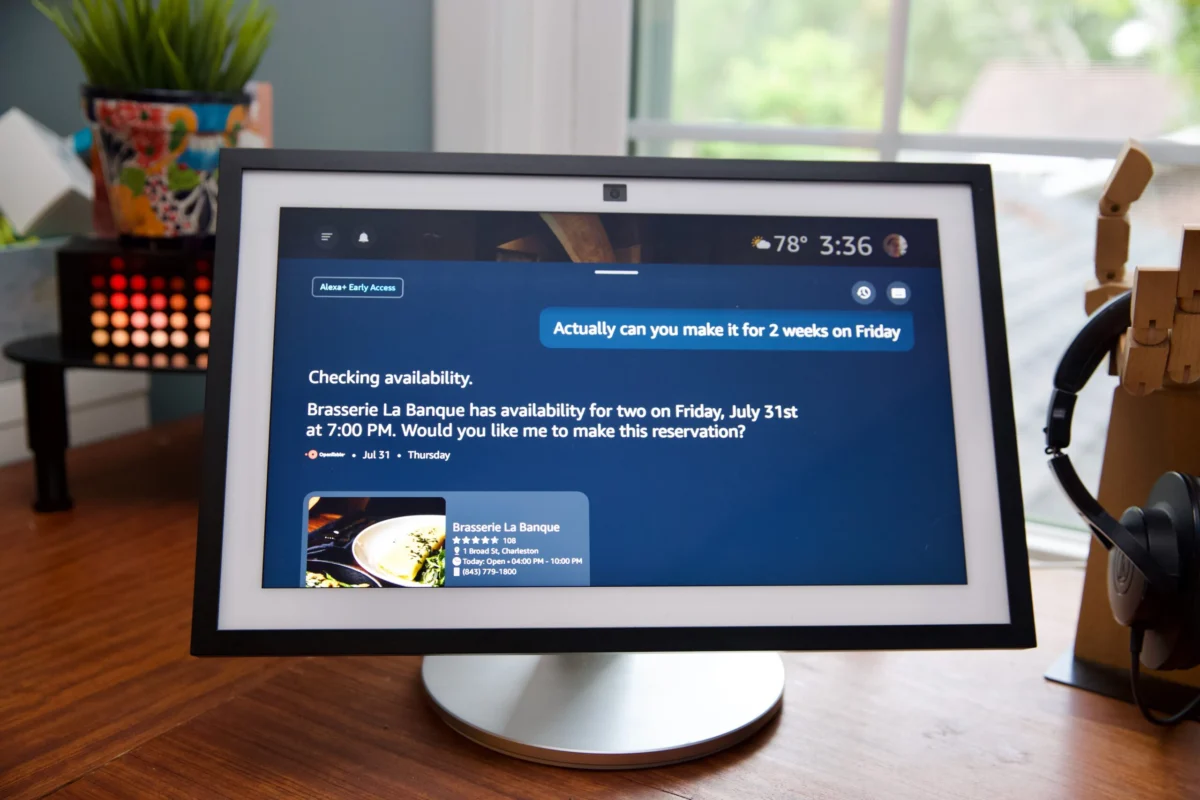
Amazon is significantly upgrading its Alexa Plus artificial intelligence assistant, equipping it with enhanced capabilities to understand and execute more complex commands, seamlessly connect with a broader spectrum of smart home devices, and integrate with a wider array of third-party services, promising a more sophisticated and personalized user experience.
The evolution of voice assistants from simple command-and-response mechanisms to truly intelligent conversational partners is a significant technological leap, and Amazon’s latest advancements with Alexa Plus represent a pivotal moment in this ongoing transformation. This latest iteration of Alexa Plus is not merely an incremental update; it signifies a fundamental shift in how users will interact with their digital assistants and the connected environments they inhabit. By imbuing Alexa Plus with a more sophisticated AI core, Amazon is moving beyond basic task execution to a level of contextual understanding and proactive assistance that was previously the domain of science fiction.
At the heart of this upgrade lies Amazon’s sophisticated new AI developer toolkit. This toolkit is designed to drastically simplify the process for manufacturers to integrate their devices with Alexa Plus, even those with highly specialized or unique functionalities that were previously incompatible. This open-door policy for developers is crucial, as it fosters a richer, more diverse ecosystem of connected products. The implications of this are far-reaching, extending beyond mere convenience to encompass enhanced automation, greater efficiency, and a more personalized smart home experience. Imagine a scenario where your home not only understands that you’re feeling unwell but can proactively adjust the lighting, set the thermostat to an optimal temperature, and even suggest a calming playlist, all without explicit instruction. This level of intuitive interaction is the promise of the new Alexa Plus.
A compelling illustration of Alexa Plus’s enhanced intelligence is the example involving a supported washing machine. Instead of requiring users to navigate complex menus or recall specific cycle names, Alexa Plus can now interpret nuanced requests like, "Alexa, my kid’s soccer jersey could use a deep clean, but the tag says cold wash only." This seemingly simple request demands a sophisticated understanding of context, including the type of garment, the desired cleaning intensity, and a critical constraint – the washing machine’s operational limitations. Alexa Plus’s ability to process this multi-faceted instruction, analyze the washing machine’s available cycles, and intelligently select the correct setting demonstrates a profound leap in its natural language processing and contextual reasoning capabilities. This moves beyond keyword recognition to a genuine comprehension of user intent.
The journey to this advanced state has been a progressive one for Amazon. The widespread launch of the revamped AI assistant in February marked a significant stride, introducing the ability to handle multi-step requests and facilitate voice-driven routine creation. However, the initial integration with third-party services was relatively limited, encompassing platforms such as Ticketmaster, OpenTable, Uber, Thumbtack, Expedia, Yelp, Square, and Angi. While these integrations offered valuable utility, they represented only the nascent stages of Alexa Plus’s potential to become a central hub for a user’s digital life.
Amazon’s strategic adoption of the Model Context Protocol (MCP) is a key enabler of this expanded integration. MCP is an open-source standard that acts as a bridge, allowing AI models to connect seamlessly with external systems and tools. By embracing this protocol, Amazon is effectively lowering the barrier to entry for a vast number of businesses and services. This move is designed to democratize access to Alexa Plus’s capabilities, empowering more brands to develop meaningful integrations. The forthcoming collaborations with companies like Canva, Headspace, Priceline, Lyft, Cengage, Virgin Atlantic, and Weekend underscore the breadth of this ambition. These partnerships are not merely about adding more names to a list; they represent the integration of core functionalities that can profoundly impact user workflows and daily activities.
The implications of these expanded integrations are substantial. For instance, Priceline’s forthcoming integration will allow customers to browse hotel options and finalize bookings directly through voice commands to Alexa Plus. This streamlines the travel planning process, making it more accessible and efficient. Furthermore, the integration of Amazon Wallet for payments with services like Priceline, Atom Tickets, Cengage, Fandango, and Taskrabbit signifies a move towards a more unified and convenient transactional experience. Users will be able to authenticate and complete purchases with a simple voice confirmation, further reducing friction and enhancing the seamlessness of their interactions. This could potentially position Alexa Plus as a secure and convenient payment gateway, competing with existing digital wallet solutions.
Beyond the immediate benefits of enhanced smart home control and service integration, the underlying AI advancements in Alexa Plus have broader implications for the future of human-computer interaction. The ability to understand complex, nuanced instructions and contextually adapt responses suggests a future where AI assistants can act as genuine collaborators, anticipating needs and offering proactive support. This could revolutionize how we manage our daily lives, from personal productivity and learning to healthcare and entertainment.
The development of AI developer toolkits that simplify integration is also a significant trend. By making it easier for third-party developers to build robust Alexa skills, Amazon is fostering innovation and expanding the utility of its platform exponentially. This ecosystem-driven approach is crucial for the long-term success of any AI assistant, as it ensures a continuous influx of new features and capabilities. The focus on supporting devices with "unique capabilities that weren’t supported before" is particularly noteworthy. This suggests that Alexa Plus is moving beyond standard device controls to embrace more specialized functionalities, opening up possibilities for AI to interact with a wider range of niche technologies.
The economic implications of these advancements are also considerable. As Alexa Plus becomes more integrated into daily life, it has the potential to drive significant consumer spending through voice-enabled commerce. The convenience of frictionless purchasing, coupled with personalized recommendations, could lead to increased sales for participating businesses. Furthermore, the development of sophisticated AI tools can create new economic opportunities for developers and businesses that specialize in creating Alexa skills and integrations.
Looking ahead, the trajectory of Alexa Plus suggests a future where AI assistants are not just tools but integral components of our personal and professional lives. The continued refinement of natural language processing, contextual understanding, and proactive assistance capabilities will likely lead to AI assistants that can manage complex projects, provide personalized learning experiences, and even offer sophisticated analytical insights. The integration of AI with an ever-expanding array of devices and services paints a picture of a truly interconnected and intelligent future, with Alexa Plus at its nexus. The emphasis on open standards like MCP is also a positive indicator, suggesting a move towards greater interoperability and a less fragmented smart home landscape. This collaborative approach is essential for widespread adoption and for realizing the full potential of AI in enhancing human capabilities. The ongoing evolution of Alexa Plus signifies Amazon’s commitment to pushing the boundaries of what is possible with artificial intelligence, promising a future where technology is more intuitive, responsive, and deeply integrated into the fabric of our lives.




 Safa Marwah
 Ayu Aulia