Ayu Aulia
An international consortium of researchers, spearheaded by scientists from Hiroshima University, has pioneered a groundbreaking technique capable of identifying nascent structural alterations within human skin collagen, long preceding their detectability through conventional imaging modalities. This significant advancement, detailed in a forthcoming issue of ACS Nano on July 16, 2026, posits a fundamental re-evaluation of skin health assessment, indicating that collagen’s intricate molecular organization begins to compromise even when its overarching fibrous network appears visually intact. The implications of this discovery are profound, suggesting a future where dermatological interventions can target the earliest molecular indicators of damage, fostering a proactive approach to skin health and disease management.
The Unveiling of Subsurface Alterations: A Paradigm Shift in Dermatological Diagnostics
For decades, the assessment of skin integrity has largely relied on observing macroscopic and microscopic changes in its structural components, predominantly collagen. Traditional imaging techniques, while valuable, are inherently limited to detecting alterations once they have progressed to a visible scale, manifesting as thinning fibers, fragmentation, or complete disconnections within the dermal matrix. This conventional reliance on morphological cues often means that significant, underlying damage has already accumulated before therapeutic intervention can be initiated, potentially limiting treatment efficacy. The new research transcends these limitations by offering an unprecedented window into the nanoscale organization of collagen, revealing that the protein’s precise molecular architecture can degrade substantially even as the superficial fibrous network retains its apparent structural coherence. This represents a paradigm shift, moving the diagnostic frontier from visible degradation to invisible molecular disarray, thereby offering a significantly earlier opportunity for intervention.
The Intricate Architecture of Collagen: Beyond Visible Fibers
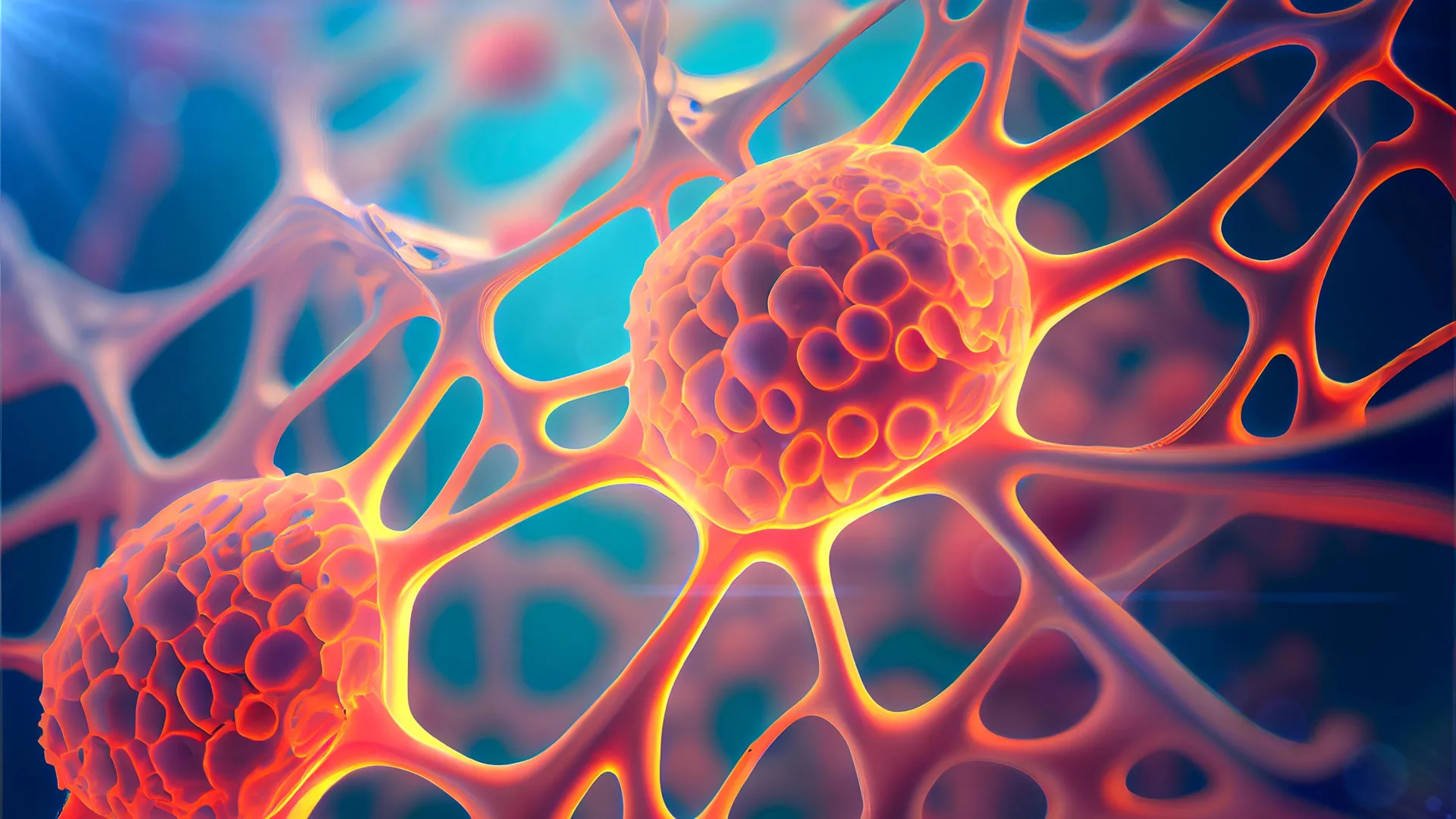
Collagen, the most abundant protein in the human body, forms the primary structural scaffolding of the skin, endowing it with its characteristic strength, elasticity, and resilience against mechanical stress. Its remarkable mechanical properties are not merely a function of its quantity but critically depend on its sophisticated hierarchical organization. At the most fundamental level, individual collagen molecules, known as tropocollagen, self-assemble into larger fibrils. These fibrils then coalesce into bundles, which in turn form the macroscopic fibers that are observable under a microscope and constitute the complex three-dimensional network supporting the skin. This multi-layered, precisely orchestrated arrangement is pivotal for collagen’s biomechanical function. Any disruption to this intricate hierarchy, whether at the molecular, fibrillar, or fibrous level, can compromise the tissue’s functional integrity. Factors such as natural aging, prolonged exposure to ultraviolet radiation, environmental pollutants, oxidative stress, and certain pathological conditions all contribute to the degradation and disorganization of this vital protein network. Understanding the nuances of this hierarchical structure is paramount, as damage at any given scale can propagate and influence the overall health and appearance of the skin.
The Invisible Deterioration: Understanding Molecular Disorganization
The central revelation of this study is the capacity to detect a subtle yet critical form of collagen damage that precedes any visible signs. It illustrates that collagen can begin to lose its underlying structural order—the precise arrangement of its constituent molecules and sub-fibers—even while the broader fibrous network appears structurally sound. This phenomenon can be conceptualized by considering a meticulously constructed edifice: conventional imaging methods might only identify damage when bricks are visibly crumbling or walls are collapsing. In contrast, this new technique can discern when the arrangement of those bricks begins to falter, perhaps losing their precise alignment or interconnections, long before any overt structural failure occurs. As Ali Haider, the first author of the study and a graduate research fellow at Hiroshima University’s International Institute for Sustainability with Knotted Chiral Meta Matter (WPI-SKCM²), aptly articulated, it is akin to identifying subtle grammatical and syntactical errors within a text before any pages are torn or missing. This early detection capability holds immense promise for understanding the initial stages of various dermatological conditions, from photoaging and chronic wound development to the progression of fibrotic diseases, where early intervention could drastically alter disease trajectories.
Chiroptical Spectroscopy: Illuminating Structural Handedness
To uncover these hidden changes, the research team innovatively combined advanced optical imaging techniques with sophisticated chiroptical spectroscopy. Chiroptical methods are uniquely suited for examining how molecules interact with polarized light, making them invaluable tools for studying chirality. Chirality, often described as “structural handedness,” is a fundamental property of many biological molecules, including collagen. Just as a person’s left and right hands are mirror images but cannot be perfectly superimposed, many biological structures possess a specific, non-superimposable orientation. Collagen exhibits this inherent handedness at both its molecular and higher-order structural levels, a characteristic crucial for its assembly and function. When this precise chiral organization begins to deteriorate, the tissue’s functional properties are compromised, even if the total quantity of collagen remains unchanged.
The team employed two highly advanced chiroptical techniques: synchrotron radiation vacuum-ultraviolet circular dichroism (SR-VUVCD) and multi-dimensional quantum cascade laser vibrational circular dichroism (MultiD-QCL-VCD). SR-VUVCD leverages high-energy synchrotron radiation to probe the electronic transitions associated with chiral structures in the vacuum-ultraviolet range, providing exquisite sensitivity to molecular conformation. MultiD-QCL-VCD, on the other hand, utilizes quantum cascade lasers to investigate vibrational modes in multiple dimensions, offering detailed insights into the secondary structure and spatial arrangement of proteins. By integrating these powerful spectroscopic methods with high-resolution imaging, the researchers achieved the unprecedented capability to simultaneously measure both the overall abundance of collagen and the integrity of its structural coherence within the very same tissue section. This dual analytical capacity is critical, as it allows for a direct correlation between the quantity of a protein and the quality of its intricate, functional organization, distinguishing between merely "present" and "structurally sound" collagen.
Discrepancy Between Abundance and Integrity: A Critical Distinction
The rigorous analysis performed by the research team yielded a compelling and critical finding: a distinct separation between the overall quantity of collagen present in tissue samples and the quality of its supramolecular organization. The study demonstrated that tissue samples could maintain a substantial portion of their total collagen content and even exhibit consistent surface coverage, even after the coherence of their underlying supramolecular chirality had significantly deteriorated. This observation fundamentally challenges the long-held assumption that the sheer amount of collagen is a sufficient indicator of tissue health. It unequivocally shows that a tissue can be rich in collagen, yet its internal architecture, the very foundation of its functional capacity, may already be compromised and in a state of breakdown.
This distinction is paramount for diagnostic accuracy. Relying solely on collagen abundance, as many conventional methods do, risks providing an incomplete and potentially misleading picture of tissue vitality. Such an oversight could lead to delayed diagnoses, missed opportunities for early intervention, and ultimately, suboptimal treatment outcomes. As Professor Katsuya Inoue, a corresponding author from WPI-SKCM², emphasized, collagen should be conceptualized not merely as a visible network of fibers, but as a complex hierarchical material whose function is inextricably linked to its organization across multiple length scales. The study underscores that advanced correlative methodologies are essential to reveal these hidden organizational changes, which remain undetectable through morphology alone.
Broader Ramifications and Future Applications
The implications of this research extend far beyond basic scientific understanding, promising transformative impacts across various medical and scientific disciplines.
- Dermatology and Anti-Aging: This technique could revolutionize the early diagnosis and management of skin aging, sun damage, and other dermatological conditions. By detecting molecular disorganization before visible signs appear, clinicians could initiate preventative measures or targeted therapies much earlier, potentially slowing or reversing damage progression.
- Wound Healing and Regenerative Medicine: Monitoring the intricate process of wound repair and tissue regeneration at a molecular level could enable real-time assessment of healing quality. This could lead to optimized treatment strategies, selection of more effective biomaterials, and improved outcomes for patients with chronic wounds or those undergoing reconstructive surgery.
- Disease Pathology: Conditions characterized by abnormal collagen remodeling, such as fibrosis (e.g., in organs like the liver, lung, or kidney), scleroderma, or certain types of cancer where the tumor microenvironment is significantly influenced by collagen structure, could benefit immensely. Early detection of collagen disorganization could serve as a novel biomarker for disease onset or progression, guiding therapeutic decisions.
- Biomaterial Engineering: The insights gained into collagen’s hierarchical organization and its functional dependence on structural integrity will be invaluable for the design and synthesis of advanced biomaterials. Engineers can develop scaffolds and regenerative constructs that more accurately mimic the natural, chiral architecture of biological tissues, leading to superior integration and functional outcomes in tissue engineering applications.
- Personalized Medicine: The ability to precisely quantify and qualify collagen health at an unprecedented molecular level paves the way for highly personalized medicine. Treatments could be tailored to an individual’s specific molecular profile of collagen health, moving beyond generalized approaches to highly targeted interventions.
The Interdisciplinary Imperative: A Global Collaborative Endeavor
The success of this pioneering research stands as a testament to the power of interdisciplinary and international collaboration. The study involved a diverse group of specialists from leading institutions across Japan, Germany, the United States, and the United Kingdom, including Hiroshima University (WPI-SKCM², Graduate School of Advanced Science and Engineering, Chirality Research Center, Research Institute for Synchrotron Radiation Science), the Max Planck Institute for Intelligent Systems, Kyushu University, Kumamoto University, Ehime University, the Georgia Institute of Technology, and the University of Glasgow. This synergistic convergence of expertise in advanced optics, chiroptical spectroscopy, structural biology, materials science, and medical imaging was absolutely critical to conceptualizing, developing, and validating such a complex and sophisticated analytical framework. The significant support from entities such as WPI-SKCM², Institut Henri Poincaré, LabEx CARMIN, and the Alexander von Humboldt Foundation further underscores the global commitment to pushing the boundaries of scientific discovery in fundamental biology and its applied domains.
Conclusion: Towards Proactive Tissue Health Management
This seminal research marks a significant inflection point in our understanding and assessment of tissue health. By bridging the gap between molecular organization and macroscopic appearance, the new technique offers a powerful tool to detect the earliest, invisible warning signs of collagen deterioration. It fundamentally shifts the paradigm from reactive treatment of visible damage to proactive management based on early molecular diagnostics. The development of a broader framework connecting molecular chirality, supramolecular organization, and the large-scale architecture of tissue promises to unlock new avenues for evaluating tissue integrity, guiding medical treatments, and engineering advanced biomaterials. In essence, the future of dermatological care and tissue engineering may no longer be defined by what meets the eye, but by the unseen molecular orchestrations that govern the very essence of biological structure and function.



 Aura Kasih
 Safa Marwah