Lisa Mariana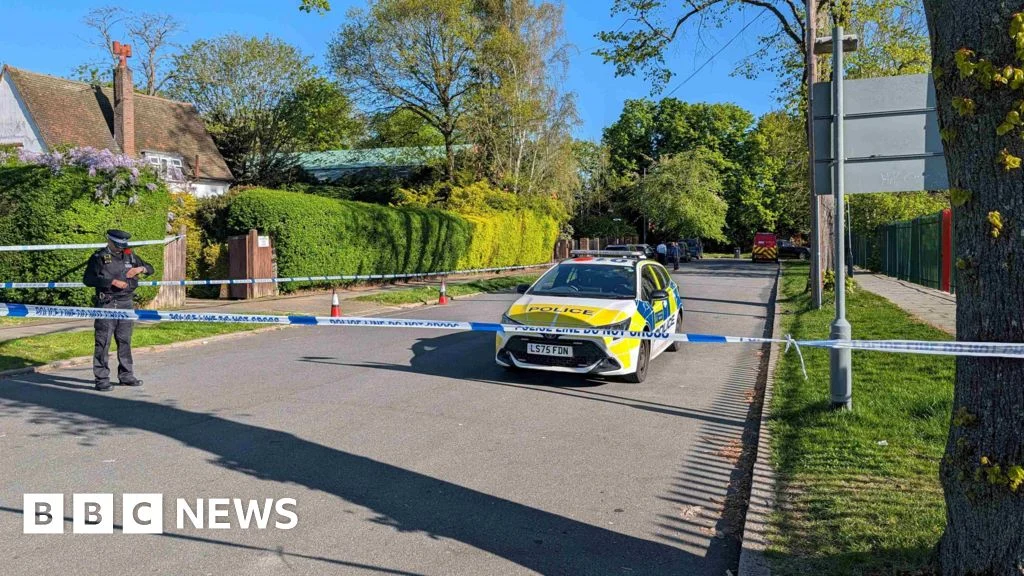
London’s Jewish community finds itself increasingly on edge following another attempted arson attack, this time at the Kenton United Synagogue in Harrow, marking a troubling escalation in what community leaders and law enforcement are now characterizing as a sustained campaign of intimidation and violence across the capital. This latest incident, occurring overnight, has intensified concerns about the safety and security of Jewish institutions and individuals, prompting an immediate and robust response from metropolitan authorities and national security apparatus.
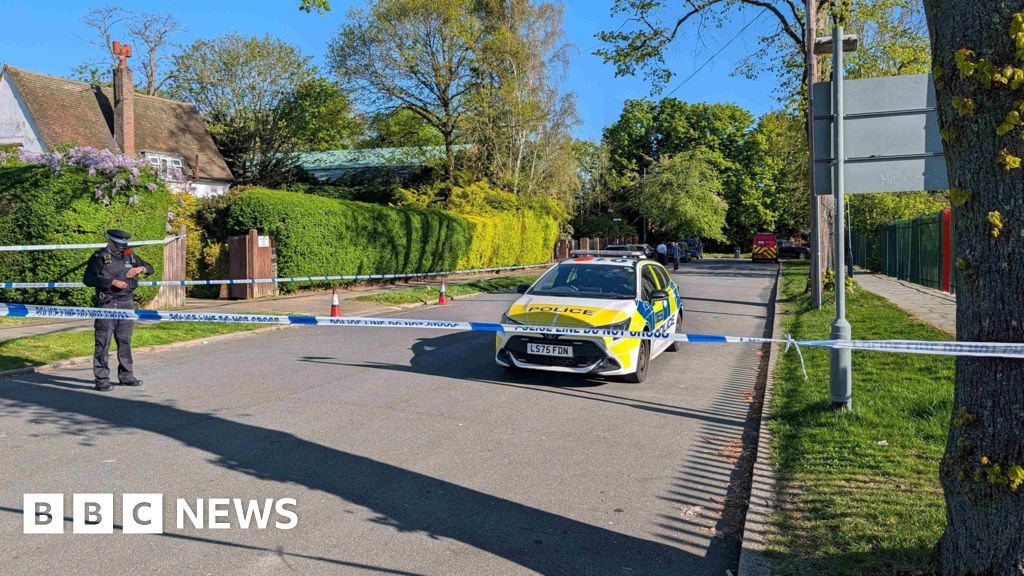
The attack on Kenton United Synagogue resulted in minor smoke damage to an internal room, fortunately causing no injuries. The Community Security Trust (CST), a vital organisation dedicated to protecting British Jews from antisemitism and related threats, was among the first to report the incident, underscoring its pivotal role in monitoring and responding to security challenges faced by the community. Police swiftly established a large cordon around the synagogue, located in close proximity to a school and a children’s playground, signaling the gravity with which the incident is being treated. Forensic investigators, accompanied by fire investigation dogs and a team of plainclothes officers, meticulously scoured the scene for evidence, indicating a comprehensive and high-priority inquiry. The visible presence of multiple marked and unmarked police vehicles further highlighted the significant deployment of resources in response to what is clearly perceived as more than an isolated act of vandalism.
This incident at Kenton is not an isolated occurrence but forms part of a disturbing pattern. Counter-terrorism officers are concurrently investigating a series of similar attempted arson attacks that have targeted various entities within North-West London. These include an earlier attempt on a synagogue in Finchley, the deliberate setting alight of ambulances belonging to a Jewish charity in Golders Green, and an attempted arson at a Persian language media organization. The geographical clustering of these incidents, combined with the diverse yet interconnected nature of the targets, suggests a degree of planning and potential coordination, raising the alarm from individual hate crimes to a more systemic threat. The involvement of counter-terrorism units from the Metropolitan Police’s Specialist Operations command underscores the official assessment that these acts may be ideologically motivated and intended to sow widespread fear and disruption within specific communities, aligning with definitions of domestic terrorism.
The leadership of the Jewish community has reacted with profound concern and a call for resolute action. Chief Rabbi Sir Ephraim Mirvis articulated the growing apprehension, stating that "a sustained campaign of violence and intimidation against the Jewish community of the UK is gathering momentum." He condemned the Kenton attack as "cowardly" and emphasized its broader implications, asserting that "this sustained attack on our community’s ability to worship and live in safety is an attack on the values that bind us all together." This statement transcends a mere condemnation of an act of criminality; it frames the issue as an assault on fundamental societal principles of religious freedom, tolerance, and communal harmony that are cornerstones of British society. The Chief Rabbi’s message serves as a rallying cry for collective vigilance and solidarity, urging not only law enforcement but also the wider public to recognize and confront the inherent dangers posed by such targeted malice.
The Community Security Trust, with decades of experience in safeguarding Jewish life in the UK, has been at the forefront of the response. A spokesperson for CST expressed gratitude to the Metropolitan Police and London Fire Brigade for their rapid intervention and ongoing efforts to protect the Jewish community during what they describe as an "unprecedented period." The CST’s work involves not only physical security provision for synagogues, schools, and community centers but also extensive intelligence gathering and analysis of antisemitic trends. Their collaboration with law enforcement is crucial in translating community intelligence into actionable security measures and investigative leads. The organization’s deep understanding of the threat landscape provides invaluable context for the police’s strategic deployments and tactical responses.
Similarly, the Campaign Against Antisemitism (CAA), another prominent advocacy group, voiced alarm at the frequency of these attacks. A spokesperson for CAA remarked that this "is now terrifyingly becoming a spate of daily arson attacks on the Jewish community." This stark assessment reflects the escalating fear within the community, where the regularity and nature of these incidents are creating a pervasive sense of vulnerability. The CAA’s role involves public advocacy, documenting antisemitic incidents, and pressing authorities for robust enforcement of hate crime legislation and counter-terrorism measures. Their vocal concern amplifies the community’s demand for urgent and effective intervention to halt this escalating pattern of aggression.
In response to the intensified threat, the Metropolitan Police announced a significant increase in patrols across North-West London. This heightened security posture includes the deployment of additional officers, the utilization of stop and search powers where appropriate, and the involvement of armed and counter-terrorism units. This multi-layered approach aims to enhance protective security for vulnerable communities and deter further incidents. The decision to deploy specialist armed and counter-terrorism resources indicates a high-level threat assessment, suggesting that the police are treating these incidents as potentially linked to extremist ideologies rather than isolated acts of random criminality. Such deployments require careful coordination and resource allocation, reflecting a strategic shift to address what is perceived as a sustained and serious threat.
The investigation into these incidents presents significant challenges. Identifying the perpetrators, understanding their motives, and dismantling any potential networks require extensive detective work, advanced forensic analysis, and robust intelligence gathering. The use of fire investigation dogs is critical in determining the accelerants used and the precise origin of the fires, providing crucial evidence for prosecution. Furthermore, the psychological impact on the affected communities cannot be overstated. Attacks on places of worship, community aid vehicles, and media organizations are designed not only to cause physical damage but also to instill fear, disrupt daily life, and erode a sense of safety and belonging. For the Jewish community, these incidents evoke historical traumas and reinforce a pervasive sense of vulnerability, especially in a global climate marked by rising antisemitism.
The broader implications of such a "campaign of violence" extend beyond the immediate victims. These attacks challenge the fabric of London’s multicultural society, threatening the principles of religious freedom and mutual respect. When a community feels targeted for its identity, it undermines social cohesion and fosters distrust. Therefore, the response must be collective, involving not only law enforcement but also political leaders, interfaith organizations, and the wider public in a unified condemnation of hatred and violence. Public condemnation is vital in isolating extremist elements and signaling that such acts will not be tolerated.
Looking ahead, the long-term outlook necessitates sustained vigilance and comprehensive security strategies. This includes continued investment in the Community Security Trust and other community-led security initiatives, robust intelligence sharing between law enforcement and community organizations, and ongoing public awareness campaigns to foster reporting of suspicious activities. Furthermore, addressing the underlying causes of antisemitism and other forms of hate, through education and interfaith dialogue, remains a critical component of building a more resilient and inclusive society. The commitment to bringing the perpetrators of these cowardly acts to justice is paramount, not only as a measure of accountability but also as a powerful deterrent against future aggression, ensuring that London remains a city where all communities can worship and live in safety and peace. The resilience of the Jewish community, coupled with the unwavering resolve of the authorities and the support of the wider public, will be crucial in confronting and ultimately overcoming this escalating threat.




 Aura Kasih
 Safa Marwah
 Ayu Aulia