Aura Kasih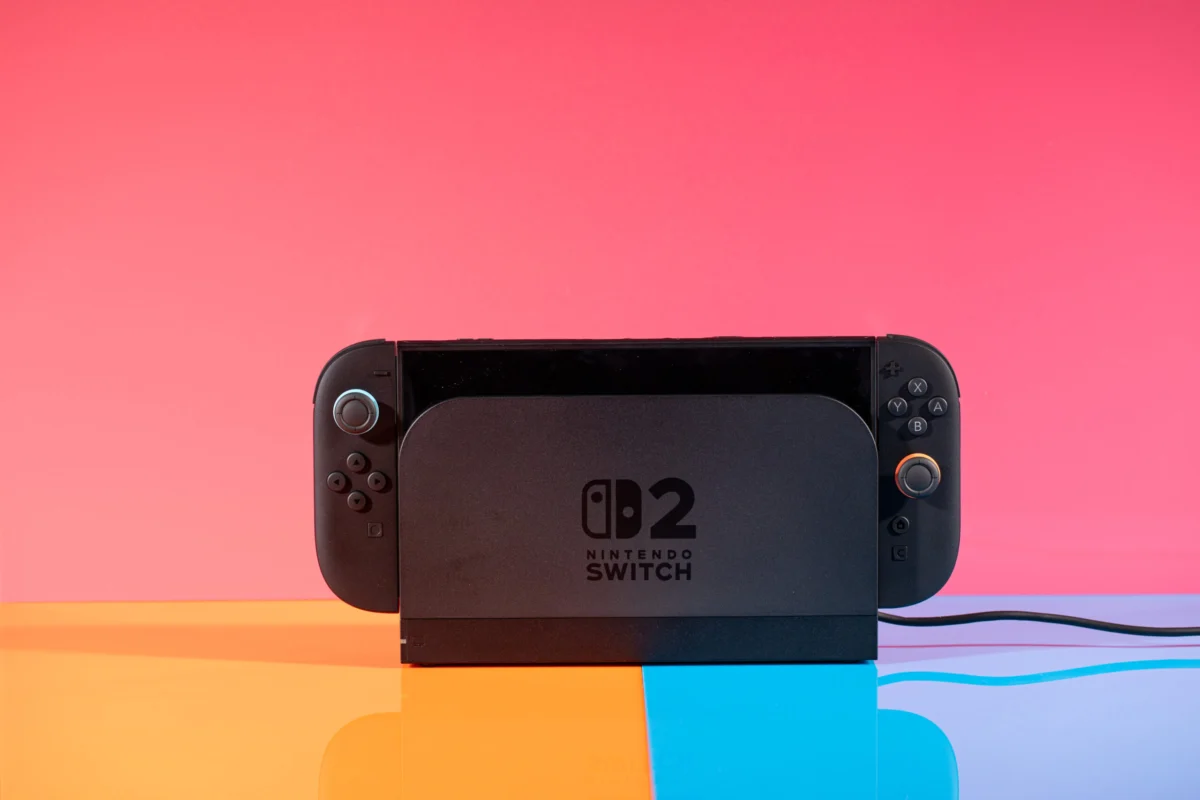
Nintendo has unveiled a compelling promotional offer, strategically designed to enhance the appeal of its latest hardware iteration, the Nintendo Switch 2, by bundling it with critically acclaimed titles from its iconic Super Mario Galaxy franchise. This limited-time promotion, coinciding with the theatrical release of a related cinematic adaptation, presents consumers with a tangible value proposition, aiming to drive both console and software sales during a key period.
The core of this initiative is a $20 discount on a package that includes the Nintendo Switch 2 console and both the Super Mario Galaxy and Super Mario Galaxy 2 games. This offering, available through May 9th, positions the bundle at $499.99, representing a modest but noteworthy incentive for prospective buyers. The promotion is being rolled out across major retail channels, including Amazon, Best Buy, GameStop, and Target, ensuring broad accessibility for consumers across different purchasing preferences. While the discount itself may be considered incremental, its significance lies in its integration with the purchase of new hardware, a common strategy to bolster initial sales figures and establish a strong ecosystem from the outset.
The Nintendo Switch 2, the successor to the immensely successful hybrid console, represents a significant evolutionary leap in Nintendo’s portable-to-home gaming philosophy. Building upon the foundational success of its predecessor, the Switch 2 boasts a larger 7.9-inch LCD display, now featuring a dynamic refresh rate capable of reaching up to 120Hz. This enhancement promises a smoother visual experience, particularly in fast-paced titles, contributing to a more immersive gameplay session. Furthermore, the console sees a substantial upgrade in internal storage, jumping to 256GB from the original’s 32GB, a move that addresses a perennial concern for gamers with extensive digital libraries. This expanded capacity is crucial in an era where game sizes continue to increase, allowing users to download and store a greater number of titles without immediate reliance on external storage solutions.

Performance is another area where the Switch 2 demonstrates considerable advancement. While specific chipset details are often proprietary, the console is engineered for "significantly snappier performance," a testament to Nintendo’s commitment to refining its processing capabilities. This improvement is expected to translate into faster loading times, more fluid frame rates, and the ability to render more complex graphical environments. The introduction of magnetic Joy-Con 2 controllers marks a notable design evolution. These controllers not only offer enhanced convenience with their snap-on functionality but also introduce innovative features. Their dual role as mice in compatible gaming titles suggests a broadening of input methods and potential for new gameplay mechanics. The inclusion of a dedicated shortcut button for Nintendo’s GameChat feature, accessible with a Nintendo Switch Online subscription, further emphasizes Nintendo’s focus on fostering social and connected gaming experiences.
The console’s connectivity options have also been updated. It now features two USB-C ports, a universal standard that simplifies charging and accessory connection. While both ports support charging, only the bottom port facilitates video output through the included dock, maintaining the Switch’s signature ability to transition seamlessly between handheld and television modes. A critical aspect of the Switch 2’s market strategy is its backward compatibility. The console is designed to be compatible with the vast majority of original Switch titles, a decision that safeguards the investment of existing Nintendo owners and ensures a rich library of games is immediately available. Moreover, Nintendo has implemented a software update that enables many existing Switch games to benefit from enhanced resolution and performance when played on the Switch 2, particularly in handheld mode. This "handheld boost mode" offers a tangible improvement without requiring developers to re-release or patch their existing games, providing an immediate upgrade path for a significant portion of the Switch’s software library.
The inclusion of Super Mario Galaxy and Super Mario Galaxy 2 in this bundle is a strategic masterstroke, leveraging the enduring popularity and critical acclaim of these titles. Originally launched on the Nintendo Wii, these games are widely regarded as pinnacles of 3D platforming and inventive game design. The remastering process for these titles, now available as a two-pack, has been executed with an eye toward modern display standards. The games boast significantly improved visuals, including a 4K resolution output, which is a substantial upgrade from their original Wii iterations. This visual enhancement, coupled with an improved user interface, ensures that these beloved classics are presented in a manner befitting their legacy and the capabilities of the new hardware.
Beyond visual fidelity, the remastered package introduces new gameplay and content features. An Assist Mode is designed to make the challenging gameplay more accessible to a wider audience, potentially attracting players who might have been intimidated by the original’s difficulty curve. An in-game music player allows players to revisit the critically acclaimed soundtracks at their leisure, adding another layer of engagement. Furthermore, the addition of new Storybook Chapters provides supplementary narrative content, enriching the lore and offering a fresh perspective on the games’ fantastical worlds. This combination of enhanced visuals, new features, and nostalgic appeal makes the Super Mario Galaxy games a highly desirable addition to any Switch 2 owner’s library.

The strategic timing of this bundle, coinciding with the release of The Super Mario Galaxy Movie, is a clear indicator of Nintendo’s integrated entertainment strategy. By aligning hardware promotions with cinematic releases, Nintendo aims to create a synergistic effect, cross-promoting its intellectual properties across different media platforms. This approach not only capitalizes on the heightened interest generated by the film but also provides a compelling reason for audiences to engage with the source material through interactive gaming. The success of this strategy hinges on the movie’s ability to capture the imagination of a broad audience, which can then be channeled into interest in the associated video game content.
The pricing structure of the bundle, while offering a $20 discount, is also indicative of Nintendo’s positioning of the Switch 2 as a premium gaming device. The $449.99 base price for the console places it in direct competition with other high-end gaming platforms, and the bundled software reinforces the value proposition without significantly undercutting the perceived worth of either the hardware or the games. The availability across multiple major retailers suggests a coordinated effort to maximize reach and sales volume. Different retailers may offer varying purchasing experiences. For instance, Amazon’s integration allows for a streamlined, single-click purchase of the bundle. In contrast, Best Buy, GameStop, and Target may require consumers to manually add both the console and the game pack to their carts, with the discount being applied at checkout. Promotional banners on these platforms are designed to guide consumers toward this bundled offering, simplifying the purchasing process and highlighting the value.
The long-term implications of this promotional strategy extend beyond immediate sales figures. By encouraging the adoption of the Switch 2 with a bundle featuring highly regarded titles, Nintendo aims to establish a robust ecosystem of engaged users early in the console’s lifecycle. A strong initial install base is critical for fostering third-party developer support, which in turn ensures a steady stream of new content. Furthermore, by highlighting the enhanced capabilities of the Switch 2, particularly its improved performance and visual fidelity in games like the Super Mario Galaxy remasters, Nintendo seeks to demonstrate the value of upgrading from the original Switch. This focus on backward compatibility and performance enhancements is a calculated move to retain its existing user base while attracting new consumers.
The success of this bundle will likely be influenced by several factors, including the overall reception of The Super Mario Galaxy Movie, the continued demand for Nintendo hardware, and the competitive landscape of the gaming industry. However, Nintendo’s proven track record of executing effective hardware and software promotions, combined with the inherent appeal of the Super Mario franchise, suggests that this initiative is well-positioned to achieve its objectives. The strategic bundling of iconic games with next-generation hardware is a testament to Nintendo’s understanding of its market and its ability to create compelling offers that resonate with gamers worldwide. The $20 discount, while seemingly modest, serves as a crucial catalyst in a market where consumer purchasing decisions are often influenced by perceived value and promotional incentives. This initiative underscores Nintendo’s commitment to delivering engaging entertainment experiences and reinforcing its position as a dominant force in the global gaming industry.


 Lisa Mariana
 Safa Marwah