
 Ridwan Kamil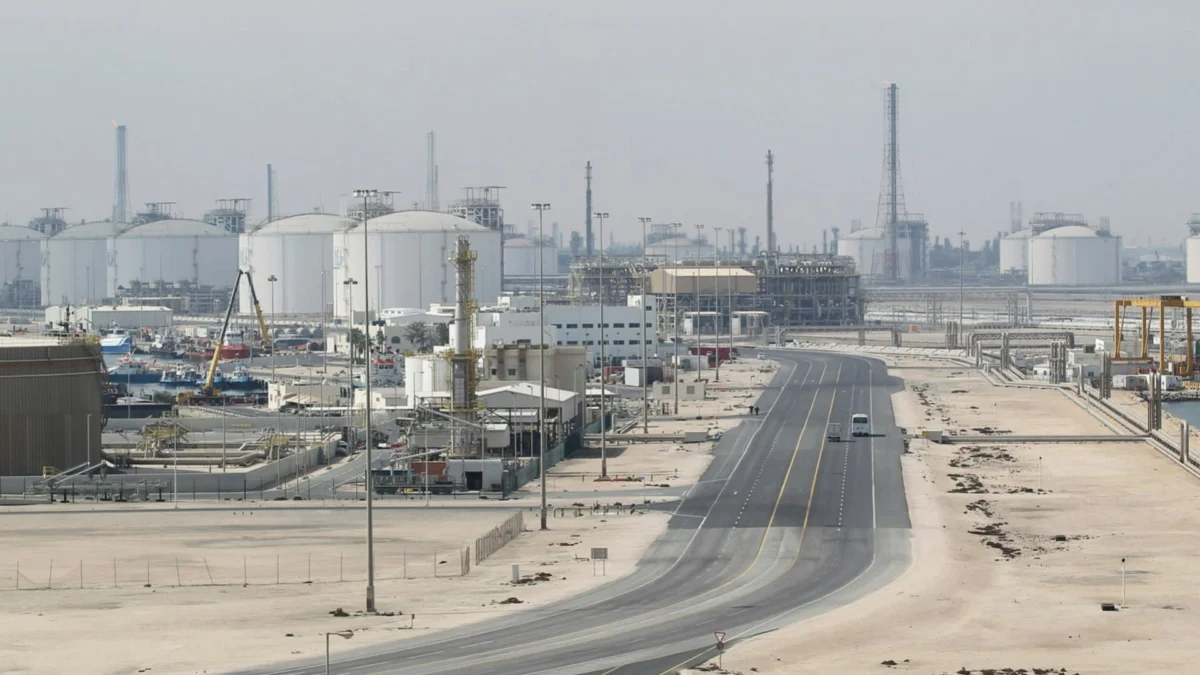
A significant, yet unconfirmed, Iranian operation has reportedly inflicted substantial damage upon a critical component of Qatar’s vast liquefied natural gas (LNG) infrastructure, sending shockwaves through international energy markets and raising serious concerns about the stability of global supply chains.
The precise nature and extent of the alleged Iranian action remain shrouded in a deliberate veil of official silence, with both Tehran and Doha offering no direct confirmation or denial of the reports. However, a confluence of intelligence assessments and circumstantial evidence points towards a meticulously planned and executed strike targeting a vital facility within Qatar’s expansive industrial complex, a nation that stands as one of the world’s preeminent exporters of liquefied natural gas. The ramifications of such an attack, if substantiated, are profound, potentially disrupting the flow of a crucial energy commodity vital for powering economies across Asia and Europe, and consequently introducing a new layer of volatility into an already precarious global energy landscape.
Unpacking the Alleged Attack and Its Strategic Significance
While details are scarce, the targeting of a "site of the world’s largest LNG facility" suggests an operation aimed at the heart of Qatar’s energy export capabilities. Qatar Gas, a joint venture involving QatarEnergy and international energy majors, operates a series of massive liquefaction plants and export terminals at Ras Laffan Industrial City. These facilities are designed to convert natural gas extracted from the North Field, the world’s largest non-associated natural gas field, into a liquid form for efficient transport via specialized tankers. The sheer scale of these operations underscores Qatar’s pivotal role in meeting global energy demand.
An attack designed to cause "extensive damage" would likely involve sophisticated means, potentially ranging from drone swarms to cyber warfare, or a combination thereof. The objective would be to incapacitate liquefaction trains, damage storage tanks, or disrupt the intricate logistical network that facilitates the loading and dispatch of LNG cargoes. The strategic implications are multi-faceted. Firstly, it represents a direct challenge to Qatar’s sovereign interests and its position as a reliable energy supplier. Secondly, it signals a willingness by Iran to employ asymmetric tactics to exert pressure on regional rivals and influence global energy politics.
Regional Tensions and Iran’s Strategic Calculus
The alleged incident unfolds against a backdrop of heightened geopolitical tensions in the Middle East. Iran and Qatar, while not in open conflict, have historically navigated a complex relationship characterized by periods of cooperation and underlying rivalry. Iran views Qatar’s close ties with Western powers and its significant role in the global energy market with a degree of strategic unease. Furthermore, Iran has consistently sought to project its regional influence, often through proxies and indirect means, to counter the perceived dominance of its adversaries.
The timing of such an alleged strike is also significant. With ongoing global energy market volatility driven by geopolitical events, particularly the conflict in Ukraine and subsequent disruptions to Russian energy supplies, any significant impediment to LNG flows from a major producer like Qatar could have amplified consequences. Iran may perceive this as an opportune moment to exert leverage, potentially aiming to disrupt its adversaries’ energy security or to extract concessions through indirect means. The attack, if attributed to Iran, would underscore its evolving doctrine of "strategic patience" and its willingness to employ unconventional methods to achieve its objectives.
Expert Analysis: The Ripple Effect on Global Energy Markets
The immediate impact on global LNG prices would likely be an upward surge, driven by heightened uncertainty and fears of prolonged supply disruptions. The market’s reaction would be amplified by the fact that Qatar is a cornerstone of global LNG supply, particularly for countries heavily reliant on its exports for heating, power generation, and industrial activity. Any reduction in Qatar’s export capacity, even if temporary, would necessitate the sourcing of alternative supplies, which may be more expensive or less readily available.
Dr. Anya Sharma, a senior energy analyst at the Global Energy Institute, commented, "This alleged incident, if confirmed, is a stark reminder of the fragility of global energy supply chains. Qatar’s LNG infrastructure is a linchpin in the international market. Damage to these facilities, particularly the liquefaction plants, could lead to a significant tightening of supply. The market is already under pressure, and this event would inject a substantial degree of risk premium into pricing. We could see prices not only for LNG but also for oil and other commodities react significantly, as the interconnectedness of energy markets means that disruptions in one area invariably affect others."
Furthermore, the incident could prompt a reassessment of energy security strategies by importing nations. Countries that have diversified their energy sources to include LNG would be particularly concerned. There may be increased pressure to expedite the development of domestic energy resources, invest in alternative fuel technologies, and forge stronger alliances with other reliable energy producers. The long-term implications could include a more pronounced shift towards renewable energy sources as a means of achieving greater energy independence, although the immediate transition is a complex and costly undertaking.
The Broader Geopolitical Landscape and Implications for Regional Stability
Beyond the immediate economic implications, the alleged Iranian action has significant geopolitical ramifications. It represents a direct challenge to the security architecture of the Persian Gulf and could escalate existing regional rivalries. Qatar, while not directly involved in the current proxy conflicts that plague the region, is a key player in regional diplomacy and a strategic partner for many Western nations. An attack on its energy infrastructure could draw other regional and international actors into a more direct confrontation.
The incident also raises questions about the effectiveness of existing security measures and intelligence sharing mechanisms in the Gulf. The ability of Iran, or any state actor, to inflict "extensive damage" on a facility of this magnitude suggests potential vulnerabilities that may need to be addressed through enhanced defense capabilities and collaborative security initiatives. The international community will be closely watching the responses of both Qatar and its allies, as well as the reactions from other regional powers, to gauge the potential for escalation.
Professor Tariq Al-Mansour, a specialist in Middle Eastern security studies at the International University of Dubai, observed, "This alleged attack is not merely an economic event; it is a strategic message. Iran, by targeting Qatar’s LNG capabilities, is signaling its intent to disrupt the energy flows that underpin the economic stability of its adversaries and their allies. It also serves to remind the world that the Strait of Hormuz, a critical chokepoint for global energy trade, remains a potential theater for conflict. The international community must tread carefully, as any miscalculation or overreaction could lead to a wider regional conflagration. The focus should be on de-escalation and ensuring the unimpeded flow of vital energy resources."
The Path Forward: Uncertainty and Strategic Realignments
In the absence of official confirmation, the international community remains in a state of cautious observation. However, the persistent reports and the strategic significance of the alleged target demand serious consideration. If the incident is confirmed and attributed to Iran, it would mark a significant escalation in regional tensions and necessitate a robust diplomatic and security response.
The immediate focus will be on assessing the full extent of the damage and its impact on Qatar’s export capacity. Efforts to restore any compromised infrastructure would be paramount. Simultaneously, diplomatic channels would likely be activated to de-escalate tensions and prevent further retaliatory actions. The incident could also trigger a more profound re-evaluation of energy security strategies globally, accelerating the diversification of energy sources and the transition towards cleaner, more sustainable energy systems.
The alleged Iranian strike on Qatar’s LNG facility, if proven, represents a pivotal moment in the ongoing geopolitical narrative of the Middle East. It underscores the complex interplay of energy, security, and international relations, and highlights the persistent vulnerabilities within global supply chains. The coming days and weeks will be crucial in determining the full scope of this event and its long-term implications for regional stability and the global energy landscape. The world’s reliance on a steady flow of energy means that any disruption to a critical node like Qatar’s LNG infrastructure carries weight far beyond the immediate geographical vicinity, reverberating through economies and influencing geopolitical calculations on a global scale.



 Aura Kasih
 Safa Marwah
 Ayu Aulia


