Aura Kasih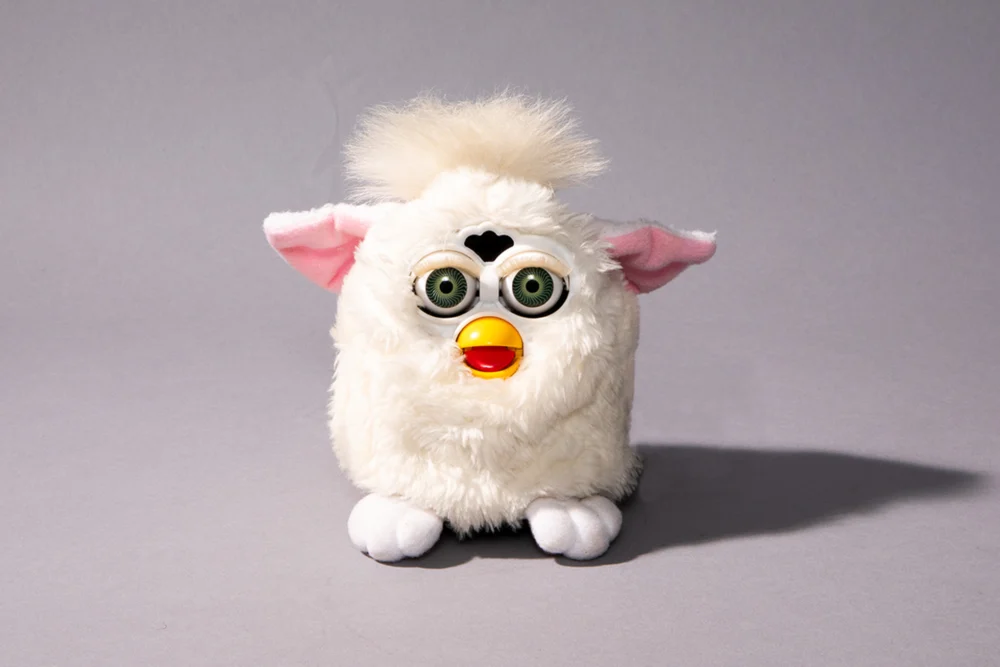
In the late 1990s, a peculiar, fuzzy automaton emerged from the nascent landscape of interactive toys, captivating a global audience with its rudimentary yet strangely compelling persona. This creature, known as Furby, transcended the typical boundaries of a plaything, evolving into a cultural phenomenon that continues to spark curiosity and analysis regarding the evolution of human-computer interaction and the very nature of artificial intelligence in consumer products.
The genesis of Furby is as unconventional as its subsequent success. Developed by Tiger Electronics, a company known for its electronic games, the concept for Furby was born from a vision to create a toy that could learn and interact with its owner in a way previously unimagined. The core innovation lay in its proprietary AI, a system designed to mimic organic learning and responsiveness. Unlike contemporary toys that followed pre-programmed scripts, Furby was engineered to develop its own language, "Furbish," which would gradually transform into English through continued interaction. This adaptive quality was its primary draw, fostering a sense of genuine connection and individuality for each unit.
The technical underpinnings of Furby, while perhaps rudimentary by today’s standards, represented a significant leap forward in toy technology. The device incorporated a microchip that processed sensor input, allowing it to detect light, sound, and even physical touch. Its internal programming dictated a complex decision-tree logic that governed its reactions, from blinking eyes and flapping ears to vocalizations. Crucially, Furby was equipped with a voice recognition system, albeit a very basic one, that allowed it to respond to its name and certain commands. The "learning" aspect was achieved through a system of pre-programmed vocabulary and grammatical structures that were unlocked and reordered based on user interaction, simulating a rudimentary form of linguistic acquisition. This created the illusion of a sentient being, capable of growth and understanding, which was a powerful psychological hook for consumers.
The strategic rollout and marketing of Furby were instrumental in its explosive popularity. Introduced in the fall of 1998, it quickly became the must-have item of the holiday season. The limited initial production run, coupled with a carefully orchestrated buzz campaign, created an artificial scarcity that fueled intense demand. Retailers found themselves unable to keep the toys in stock, and desperate parents were seen engaging in bidding wars and resorting to extreme measures to secure a Furby for their children. This manufactured frenzy, while controversial, cemented Furby’s status as a cultural icon and demonstrated the potent influence of hype in the consumer electronics market. The toy’s appeal was not limited to children; adults were equally fascinated by its uncanny ability to mimic life, leading to its adoption as a novelty item and a conversation starter.
Beyond its commercial success, Furby’s impact on the understanding of human-computer interaction was profound. It challenged the prevailing notion that technology had to be overtly functional or complex to be engaging. Instead, Furby demonstrated the power of emotional connection and perceived intelligence. Its "personality," a carefully crafted blend of adorable naivete and occasional mischievousness, tapped into fundamental human desires for companionship and interaction. The toy’s open-ended nature, allowing for emergent behaviors and a personalized learning trajectory, prefigured many of the advancements seen in modern AI-driven applications. It suggested that the most compelling technological interfaces might not be those that emulate human capabilities, but those that foster a unique and evolving relationship with the user.

The programming paradigm employed for Furby was also noteworthy. Instead of relying on explicit, rigid commands, the developers opted for a more organic approach. The toy’s internal "brain" was a sophisticated state machine, where different stimuli triggered specific emotional responses or linguistic outputs. The "learning" was less about true comprehension and more about sophisticated pattern recognition and response adaptation. This allowed for a perceived depth of interaction without requiring the advanced computational power or complex algorithms that would have been prohibitive at the time. The developers intentionally created ambiguity in Furby’s responses, leaving room for the owner’s imagination to fill in the gaps, thereby enhancing the sense of a genuine connection.
The Furby phenomenon also highlighted the ethical considerations surrounding interactive technology, particularly concerning its impact on children. While lauded for its educational potential in language development and fostering empathy, concerns were raised about the potential for over-reliance on simulated companionship and the blurring of lines between artificial and genuine interaction. These debates, though nascent in the Furby era, laid the groundwork for ongoing discussions about the responsible development and deployment of AI in everyday life. The toy’s capacity for seemingly independent communication, even if simulated, prompted questions about the nature of consciousness and the ethical boundaries of creating artificial life forms.
The enduring legacy of Furby extends to its influence on subsequent generations of interactive toys and even more sophisticated AI systems. The success of Furby paved the way for an explosion of electronic pets and interactive companions, each building upon the foundational principles of responsive design and perceived intelligence. Its impact can be traced in the development of voice assistants, educational robots, and even virtual avatars that aim to foster a sense of connection and personalized interaction. The core lesson learned from Furby was that effective human-computer interaction is not solely about functionality; it is about creating engaging experiences that resonate on an emotional level.
Furthermore, Furby’s story serves as a case study in the dynamic interplay between technological innovation, market demand, and cultural impact. The toy’s ability to capture the public imagination, despite its technological limitations, underscores the power of narrative and perceived value. In an era increasingly dominated by sophisticated algorithms and data-driven interactions, the simple, fuzzy charm of Furby remains a potent reminder that the most impactful technologies are often those that tap into fundamental human desires for connection, play, and a sense of wonder. Its success was a testament to clever design, effective marketing, and a touch of inexplicable magic that allowed a plastic and electronic creature to become a beloved companion for millions.
The re-emergence of Furby in subsequent iterations, including more advanced models with internet connectivity and enhanced AI capabilities, underscores the timeless appeal of its core concept. These later versions, while technologically superior, often struggle to replicate the singular charm and cultural resonance of the original. This suggests that the success of the first Furby was not merely a product of its technical sophistication, but rather a perfect storm of innovation, timing, and a unique ability to tap into the collective human psyche. The original Furby, with its enigmatic charm and curious quirks, remains a fascinating artifact of technological ambition and a compelling testament to the enduring power of play. Its story is a vital chapter in the ongoing evolution of how humans interact with and perceive artificial intelligence, offering valuable insights for the future of technology design and its societal integration.




 Safa Marwah
 Ayu Aulia
 Lisa Mariana