Ridwan Kamil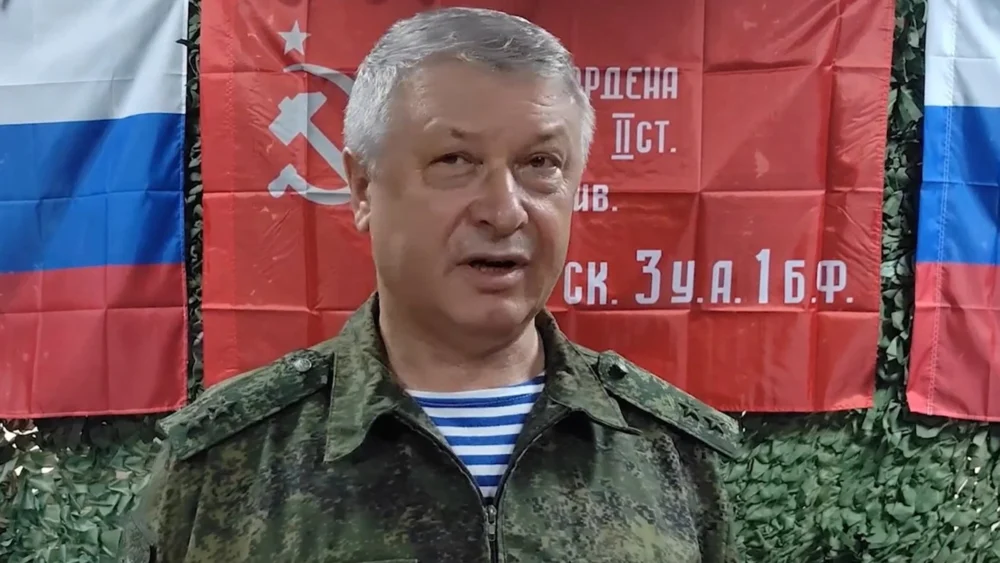
A brazen shooting incident in the heart of Moscow has sent shockwaves through the Russian capital, with a high-ranking officer of the Main Intelligence Directorate (GRU) of the General Staff of the Armed Forces of the Russian Federation becoming the target of an assassination attempt. The attack, which occurred in a public space, underscores the escalating tensions and shadowy conflicts potentially playing out within and beyond Russia’s borders, raising critical questions about internal security, foreign interference, and the volatile landscape of intelligence operations.
The daylight assault on the GRU official, whose identity has been closely guarded by authorities, immediately ignited speculation about the motive and perpetrators. While official channels have remained tight-lipped, the targeting of a figure so deeply embedded within Russia’s military intelligence apparatus suggests a sophisticated and potentially state-sponsored operation. The GRU, known for its clandestine activities and global reach, has been a central player in numerous geopolitical controversies, making its personnel frequent subjects of interest and potential targets for adversaries.
Contextualizing the Attack: A Glimpse into the GRU’s World
The GRU, established in 1942, is one of Russia’s principal intelligence agencies, responsible for foreign military intelligence, including reconnaissance, sabotage, and political and economic espionage. Its operations are often shrouded in secrecy, with its agents frequently implicated in covert actions ranging from election interference and cyberattacks to direct military involvement in conflict zones. The agency’s notorious reputation, often characterized by its ruthlessness and effectiveness, makes any direct assault on its personnel a significant event.
Historically, such attacks, if confirmed to be externally orchestrated, could point towards a retaliatory strike in response to perceived Russian aggression or espionage activities. Conversely, internal power struggles or purges within the highly competitive and often opaque world of Russian intelligence cannot be entirely discounted. The very nature of intelligence work breeds a climate of suspicion and betrayal, where the lines between friend and foe can blur with alarming speed.
Potential Perpetrators and Motivations: A Web of Possibilities
The spectrum of potential perpetrators is broad, encompassing foreign intelligence services, dissident groups, or even internal factions within Russia itself.
-
Foreign Intelligence Services: Given the GRU’s extensive global operations, numerous countries could have a vested interest in incapacitating or sending a message to its operatives. Nations that have experienced perceived GRU interference, such as Ukraine, or those engaged in a strategic rivalry with Russia, like certain NATO members, would logically be considered. The attack could be a response to specific GRU actions, a broader act of deterrence, or an attempt to disrupt ongoing operations. The precision and public nature of the attack suggest a high degree of planning and capability, hallmarks of state-level intelligence agencies.
-
Dissident or Opposition Groups: While less likely to possess the resources for a sophisticated assassination of a high-level intelligence officer, the possibility of a determined dissident group cannot be entirely dismissed. Such an act, if carried out by non-state actors, would represent a significant escalation of opposition to the Russian government and its security apparatus. However, the operational capacity required to execute such an attack in Moscow would be extraordinary.
-
Internal Power Dynamics: The Russian security services are notoriously competitive and often engage in turf wars. A shooting targeting a GRU officer could, in theory, stem from an internal power struggle or a clandestine operation by a rival agency seeking to eliminate a threat or gain an advantage. Such events, though rarely confirmed, are not unheard of in countries with opaque and heavily militarized intelligence structures.
Implications for Russian Security and Geopolitics
The attack, regardless of its ultimate origin, carries profound implications for Russia’s internal security and its standing on the global stage.
-
Erosion of Perceived Invincibility: For an agency like the GRU, which prides itself on its covert capabilities and protection of its personnel, an assassination attempt on its soil, particularly in a public area, could be seen as a significant blow to its image and operational confidence. It suggests that even the most protected operatives are vulnerable, potentially impacting recruitment, morale, and future operational planning.
-
Heightened Internal Scrutiny and Reprisal: The Russian government is likely to respond with an intensified security crackdown and a thorough investigation. This could lead to increased surveillance, purges within security agencies, and a heightened sense of paranoia. The desire for retribution, whether against external actors or internal threats, will undoubtedly be a driving force.
-
Geopolitical Ramifications: If the attack is confirmed to be the work of a foreign power, it could significantly escalate diplomatic tensions and potentially trigger retaliatory measures. The incident could become another flashpoint in the complex and often adversarial relationship between Russia and Western nations, further solidifying existing geopolitical divides. It also raises concerns about the potential for such incidents to spiral into wider conflicts.
-
Impact on Intelligence Operations: The incident may force a re-evaluation of security protocols for intelligence officers operating both domestically and abroad. It could lead to a more cautious approach to certain operations, increased reliance on digital and remote methods, and a general tightening of operational security across all intelligence agencies.
Expert Analysis and Future Outlook
Intelligence analysts are likely to be scrutinizing every detail of this incident, seeking to unravel the intricate web of potential motives and perpetrators. Key questions will revolve around the weapon used, the timing of the attack, the location’s significance, and any potential eyewitness accounts that may emerge. The ability of Russian authorities to swiftly and transparently investigate and attribute blame will be crucial in shaping both domestic and international perceptions of the event.
The future outlook is one of increased uncertainty and potential volatility. The attack serves as a stark reminder of the persistent and often brutal nature of intelligence warfare, which continues to operate in the shadows even as overt conflicts capture global attention. As Russia navigates its current geopolitical landscape, this incident could serve as a catalyst for either further isolation and internal consolidation or a desperate attempt to project strength and deter future aggression. The coming weeks and months will likely reveal more about the true nature of this audacious act and its lasting impact on the intricate world of espionage and international relations. The targeting of a GRU officer in Moscow is not merely a criminal act; it is a signal, the meaning of which is still being deciphered, but one that undoubtedly resonates with profound significance within the corridors of power and the clandestine world of intelligence.




 Lisa Mariana
 Aura Kasih
 Safa Marwah
 Ayu Aulia