Aura Kasih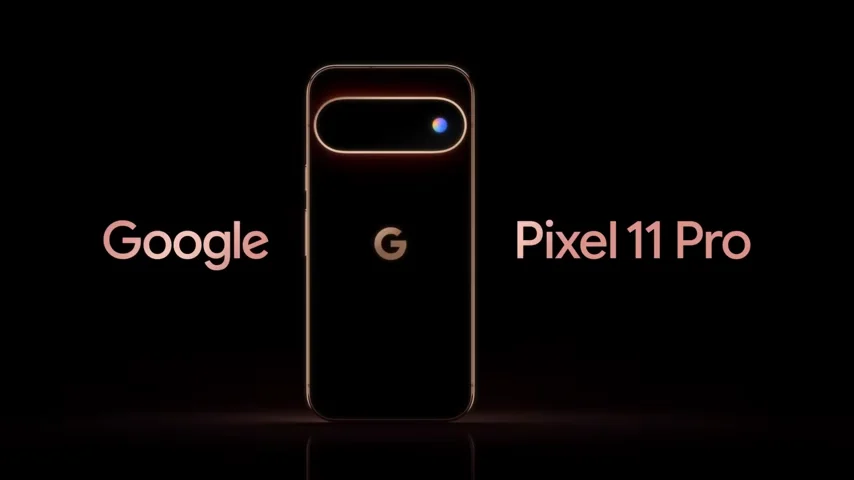
Whispers in the tech sphere have coalesced into a definitive picture of Google’s upcoming Pixel 11 smartphone family, with a recent leak from Android Headlines purportedly revealing comprehensive specifications and pricing for the entire lineup, suggesting a series of predictable yet significant enhancements.
The annual cadence of smartphone releases often brings with it a degree of anticipation, and for the Google Pixel series, this year appears to be no different. While the official unveiling is slated for August 12th, the consistent flow of leaks paints a picture of evolution rather than revolution for the Pixel 11 generation. The most striking changes, according to these reports, lie in the pricing and base storage configurations, alongside the expected adoption of Google’s latest in-house silicon.
A Strategic Shift in Value Proposition: Storage and Pricing Dynamics
A notable adjustment anticipated for the Pixel 11 is a $100 price increase over its predecessor, positioning the entry-level model at $899. This move, however, is accompanied by a doubling of the base storage, from 128GB to a more substantial 256GB. This strategic recalibration suggests a deliberate attempt by Google to enhance the perceived value of its foundational offering, acknowledging the growing consumer demand for ample on-device storage in an era of high-resolution media and expansive application ecosystems. For users who have historically found themselves on the cusp of storage limitations, this upgrade addresses a key pain point, potentially mitigating the impact of the outright price hike.
The premium segment of the Pixel 11 lineup, encompassing the Pixel 11 Pro and Pixel 11 Pro XL, is also subject to price adjustments, reportedly moving to $1,099 and $1,299 respectively. This increase, coupled with a rumored reduction in RAM to 12GB across these models – a departure from previous configurations – warrants careful consideration. While the Tensor G6 and Titan M3 chips are expected to provide significant performance gains, the RAM reduction could be a point of contention for power users who prioritize multitasking and sustained high-performance operations. It is plausible that Google has optimized its software stack to achieve comparable or even superior performance with reduced RAM, a strategy often employed by manufacturers to balance cost and efficiency. The underlying rationale for this decision will undoubtedly be a focal point of post-launch analysis.
Camera Evolution: Refinement in the Pro Tier, Simplification at the Base
The camera systems of the Pixel series have long been a cornerstone of its appeal, lauded for their computational photography prowess. For the standard Pixel 11, reports indicate a departure from the telephoto lens, opting instead for a dual-rear camera setup. This simplification might suggest a greater reliance on digital zoom capabilities or a strategic decision to focus resources on enhancing the primary and ultrawide sensors. The implications for photographic versatility remain to be seen, but it could signal a move towards a more streamlined user experience for the average consumer.
Conversely, the Pro models are expected to retain the sophisticated camera hardware introduced with the Pixel 10 generation. This continuity suggests that Google has found the existing sensor array to be sufficiently capable and that further advancements will likely stem from software optimizations and AI-driven enhancements rather than radical hardware overhauls. The emphasis on computational photography, a hallmark of the Pixel brand, is expected to remain paramount, promising continued excellence in image processing, low-light performance, and advanced features such as advanced portrait modes and astrophotography.
Display Continuity and the Foldable Frontier
In terms of display technology, the Pixel 11 and Pixel 11 Pro models appear to largely mirror their predecessors. This indicates a commitment to established screen quality, likely featuring vibrant OLED panels with high refresh rates. While incremental improvements in brightness, color accuracy, or power efficiency are probable, a significant departure from the current display architecture seems unlikely. This approach prioritizes delivering a consistently excellent visual experience that consumers have come to expect.

The Pixel 11 Pro Fold, Google’s foray into the foldable smartphone market, is also reportedly touched by the RAM adjustments, slated to begin with 12GB of RAM. This configuration aligns with the Pro models and suggests a unified approach to memory management across the premium tiers. The Fold’s price is also anticipated to see an increase, with reports suggesting a new starting point of $1,899. This positions the foldable device firmly in the ultra-premium segment, a common characteristic of foldable technology as manufacturers refine the complex engineering and durability aspects of these innovative form factors. The continued development of the Pixel Fold signals Google’s ongoing investment in exploring and expanding the boundaries of mobile device design.
The Strategic Imperative of Tensor G6 and Titan M3
At the heart of the Pixel 11 lineup lies the anticipated integration of the Tensor G6 and Titan M3 chips. The Tensor series, Google’s custom System-on-a-Chip (SoC), has been instrumental in powering the Pixel’s advanced AI and machine learning capabilities. The G6 iteration is expected to bring further refinements in processing power, energy efficiency, and specialized AI acceleration. This will undoubtedly translate to snappier performance, more intelligent features, and enhanced capabilities across the entire device ecosystem, from camera processing to on-device language translation and predictive text.
The Titan M3 security chip is equally crucial, reinforcing Google’s commitment to device security and user privacy. As cyber threats continue to evolve, the Titan M3 provides a dedicated hardware-level security enclave to protect sensitive data, manage encryption keys, and ensure the integrity of the operating system. The combined power of these custom silicon solutions is a key differentiator for the Pixel line, enabling Google to offer a level of intelligence and security that is deeply integrated into the hardware and software.
Market Positioning and Competitive Landscape
The reported specifications and pricing for the Pixel 11 lineup suggest a continued strategy of offering a compelling alternative to established flagship devices from competitors. The emphasis on computational photography, coupled with the unique capabilities afforded by Google’s custom silicon, positions the Pixel 11 as a device that prioritizes intelligent features and user experience. The price adjustments, particularly the storage upgrade at the base level, indicate a conscious effort to remain competitive in a market where storage capacity is increasingly becoming a deciding factor for consumers.
The foldable segment, represented by the Pixel 11 Pro Fold, highlights Google’s ambition to innovate in hardware design. While the foldable market is still maturing, the incremental improvements and price adjustments suggest a measured approach to expanding this niche. The success of these devices will depend not only on their technical prowess but also on their ability to demonstrate tangible benefits that justify the premium cost and the unique form factor.
Future Outlook and Consumer Implications
The leaked details, if accurate, provide a clear roadmap for Google’s smartphone strategy in the coming year. The Pixel 11 family appears poised to offer iterative improvements, focusing on enhancing core user experiences through advanced silicon and refined software. The decision to increase base storage while also adjusting pricing suggests a nuanced approach to market segmentation and value perception.
For consumers, the Pixel 11 lineup presents a familiar yet enhanced set of choices. The standard Pixel 11, with its dual-camera setup and increased storage, may appeal to a broader audience seeking a reliable and intelligent smartphone experience. The Pro models, with their continued emphasis on camera hardware and the power of Tensor G6, will likely attract photography enthusiasts and power users. The Pixel 11 Pro Fold, while a significant investment, represents the bleeding edge of mobile technology and Google’s commitment to exploring new frontiers in device form factors. The true measure of these devices will lie in their real-world performance, the continued evolution of Google’s AI capabilities, and their ability to deliver a seamless and intuitive user experience that sets them apart in a crowded marketplace.




 Safa Marwah
 Ayu Aulia