 Safa Marwah
French authorities have formally attributed a sophisticated series of cyberattacks that severely disrupted refrigeration systems across hundreds of national supermarkets and retail locations in October, leading to widespread food spoilage and igniting at least fifteen structural fires, to the Shahid Kaveh unit of Iran’s Islamic Revolutionary Guard Corps (IRGC). This definitive pronouncement from Paris signals a significant and alarming escalation in state-sponsored cyber warfare, targeting critical civilian infrastructure with tangible, destructive consequences. The coordinated assault, which caused tens of millions of euros in economic losses and substantial material damage, has prompted France to take assertive diplomatic action, including summoning Iran’s ambassador and advocating for robust new European Union sanctions against entities involved in Tehran’s malicious cyber operations.
The attacks, meticulously orchestrated over the night of October 11-12, exploited vulnerabilities within industrial refrigeration controllers. Perpetrators remotely manipulated defrost settings, raising temperatures to critically high levels, effectively compromising the integrity of vast quantities of perishable goods. Initial assessments indicated an impact on approximately 250 to 350 French supermarkets, forcing widespread disposal of fresh and frozen products. However, subsequent investigations by French authorities have revealed the true scope of the compromise to be far more extensive, encompassing over 700 diverse retail locations. Beyond major grocery chains such as Casino, Leclerc, Coopérative U, Metro, Carrefour, and Intermarché, the disruption also affected smaller, independent butcher shops, a vital slaughterhouse, and various cooperative food-processing facilities, underscoring the broad-spectrum nature of the assault on the nation’s food supply chain. The resulting economic fallout, estimated in the tens of millions of euros, encompasses not only the direct value of spoiled inventory but also operational downtime, repair costs, and the broader ripple effects across the agricultural and retail sectors.
Crucially, the digital intrusions transcended mere data manipulation, manifesting in severe physical consequences. The elevated temperatures within refrigeration units, sustained over an extended period, led to extreme thermal stress on equipment, contributing directly to at least fifteen documented fires. This tangible destruction represents a perilous evolution in cyber tactics, moving beyond data theft or system disruption to direct physical sabotage with potential risks to human safety and property. Such an outcome underscores the increasingly blurred lines between cyberspace and the physical realm, particularly when industrial control systems (ICS) are targeted. Concurrently, French investigators identified a parallel campaign targeting Schneider Electric industrial equipment embedded within small hydroelectric installations during the same timeframe. While the impact on these energy facilities was reportedly moderate, the synchronicity and specific targeting of industrial systems suggest a broader, multi-pronged strategy aimed at demonstrating capability and causing systemic disruption across various critical sectors.
The October incidents were not isolated occurrences but appeared to be part of a wider pattern of malicious activity. A subsequent wave of attacks impacting refrigeration systems emerged in November, affecting over 115 retail locations across six other European countries. Furthermore, France’s national blood service reported a similar incident where temperature and defrost settings were illicitly altered at three facilities responsible for storing vital blood products. While French authorities have explicitly attributed only the initial October supermarket attacks to Iranian actors, these subsequent events highlight a pervasive vulnerability within cold-chain infrastructure across the continent and a potential shared methodology, even if the specific actors behind them remain officially unconfirmed by France. The gravity of these ongoing threats prompted a joint warning from the U.S. Federal Bureau of Investigation (FBI) and the Cybersecurity and Infrastructure Security Agency (CISA), cautioning global stakeholders about persistent cyberattacks against industrial refrigeration and cold-chain monitoring systems worldwide. This international alert underscores the systemic nature of the threat and the urgent need for enhanced vigilance and security protocols.
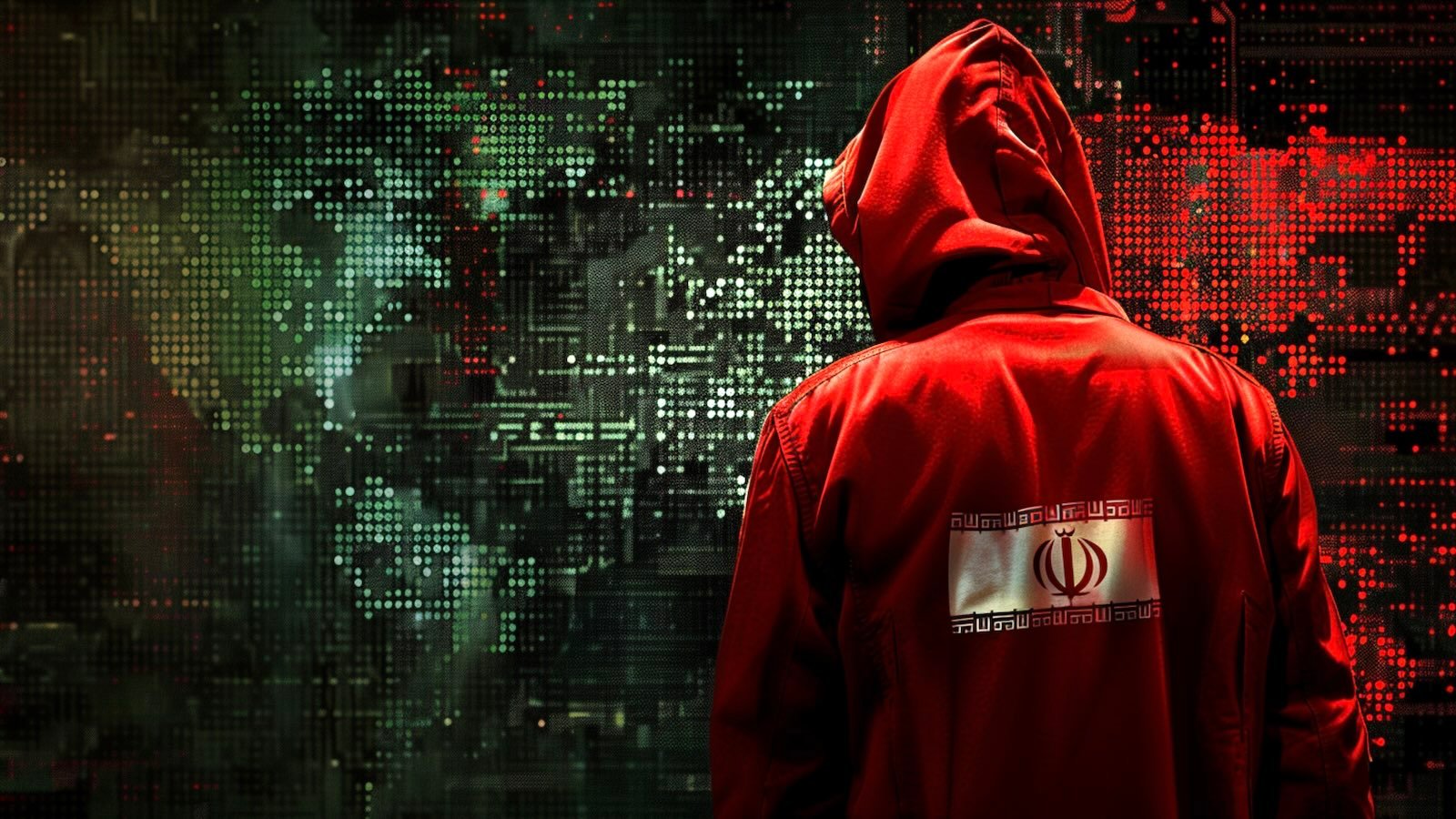
At the core of these disruptive operations lies the Shahid Kaveh unit, a cyber-offensive arm of the Islamic Revolutionary Guard Corps. France’s Cyber Crisis Coordination Center (C4), comprising the national cybersecurity agency ANSSI, military cyber command, and intelligence services, meticulously pieced together the evidence leading to this definitive attribution. The Shahid Kaveh unit is known to operate behind a labyrinth of online hacktivist personas, including "CyberAveng3rs," "Soldiers of Solomon," "Mr. Soul," and "Cyber Isnaad Front." This tactic of using ostensibly independent hacktivist groups provides a thin veil of plausible deniability for state-sponsored operations, allowing nation-states to project power and conduct disruptive activities while attempting to distance themselves from direct responsibility. The C4 specifically noted that the cyberattack targeting refrigeration controllers was publicly promoted on CyberbanNews, a propaganda outlet directly associated with the Shahid Kaveh unit, as early as October 13, 2026, providing a critical piece of evidence linking the group to the incident.
Further substantiating the attribution, French investigators linked the refrigeration attacks to Shahid Kaveh through a series of documented activities and observed patterns. The unit had previously claimed responsibility for a large-scale sabotage campaign targeting Israeli and U.S. interests in March and April 2026, which notably included attacks on Israeli refrigeration equipment and other industrial control systems. This history reveals a clear and consistent targeting methodology focused on critical infrastructure, specifically leveraging vulnerabilities in cold-chain technology. Moreover, in April 2026, well in advance of the October incidents, the Shahid Kaveh unit was observed conducting extensive reconnaissance of Schneider Electric industrial control systems, a key vendor in many industrial environments, including those found in France. This preparatory intelligence gathering strongly suggests a deliberate and premeditated plan to target these specific systems, culminating in the October attacks. The operational tempo and targeting preferences of Shahid Kaveh underscore Iran’s strategic investment in developing cyber capabilities designed to inflict economic damage and sow disruption in adversary nations.
The motivations behind such an audacious attack on civilian infrastructure in France are likely multi-layered, reflecting broader geopolitical tensions and Iran’s strategic objectives. One primary driver could be a retaliatory measure for perceived French foreign policy stances, particularly regarding Iran’s nuclear program, its regional influence, or France’s relationships with Iran’s adversaries. By targeting civilian infrastructure, Tehran could aim to project its cyber capabilities, demonstrate its capacity to inflict economic pain, and exert pressure without resorting to conventional military means. This form of asymmetric warfare leverages the interconnectedness of modern societies, exploiting vulnerabilities in critical systems to achieve political ends. Furthermore, these attacks could serve as a testbed for new attack vectors and methodologies, refining capabilities that could be deployed in other geopolitical contexts. The psychological impact on the populace, witnessing the disruption of daily life and the destruction of essential goods, also serves as a potent tool for intimidation and destabilization.
The implications of this state-sponsored cyberattack are profound, extending far beyond the immediate economic losses. From a national security perspective, the incident exposes the significant vulnerabilities of critical infrastructure, particularly sectors like food supply and energy, to sophisticated cyber intrusions capable of causing physical damage. This raises urgent questions about the resilience of modern societies in the face of evolving cyber threats. Economically, beyond the tens of millions in direct losses, there are broader consequences related to supply chain disruptions, increased operational costs for businesses, and a potential erosion of consumer confidence. On the international stage, France’s unequivocal attribution and subsequent diplomatic actions signal a hardening stance against malicious cyber activities. The decision to summon Iran’s ambassador and propose new EU sanctions underscores a commitment to holding state actors accountable, potentially setting a precedent for collective European responses to cyber aggression. This incident also adds another layer of complexity to already strained international relations, particularly between Iran and Western powers.

In response to these escalating threats, there is an urgent imperative for enhanced cybersecurity measures across critical infrastructure sectors. Organizations must prioritize robust industrial control systems (ICS) security, including stringent network segmentation to isolate operational technology (OT) from IT networks, comprehensive access controls, regular patching and vulnerability management, continuous monitoring for anomalous activities, and well-defined incident response plans. The attacks underscore the necessity of strong public-private partnerships, fostering information sharing between government intelligence agencies, cybersecurity authorities like ANSSI and CERT-FR, and private sector entities to collectively bolster defenses and improve threat intelligence. The meticulous attribution by French authorities demonstrates the crucial role of national intelligence and cybersecurity agencies in identifying perpetrators and holding them accountable, which is a vital component of deterrence.
Looking ahead, the incident portends a concerning future where nation-state actors increasingly employ destructive cyber capabilities against civilian targets to achieve strategic objectives. The ease with which refrigeration systems were compromised and the physical damage inflicted could inspire similar attacks by other actors. The international community faces a significant challenge in developing effective norms and mechanisms for deterring such acts of cyber sabotage without inadvertently escalating conflicts into broader confrontations. The ongoing global warnings from agencies like the FBI and CISA indicate that attacks on cold-chain and industrial control systems are not isolated events but rather a persistent and evolving threat landscape. Nations must continue to invest heavily in cybersecurity research, defensive capabilities, and international cooperation to safeguard critical infrastructure and maintain stability in an increasingly interconnected and vulnerable world.




 Lisa Mariana

 Aura Kasih

 Ayu Aulia