Ayu Aulia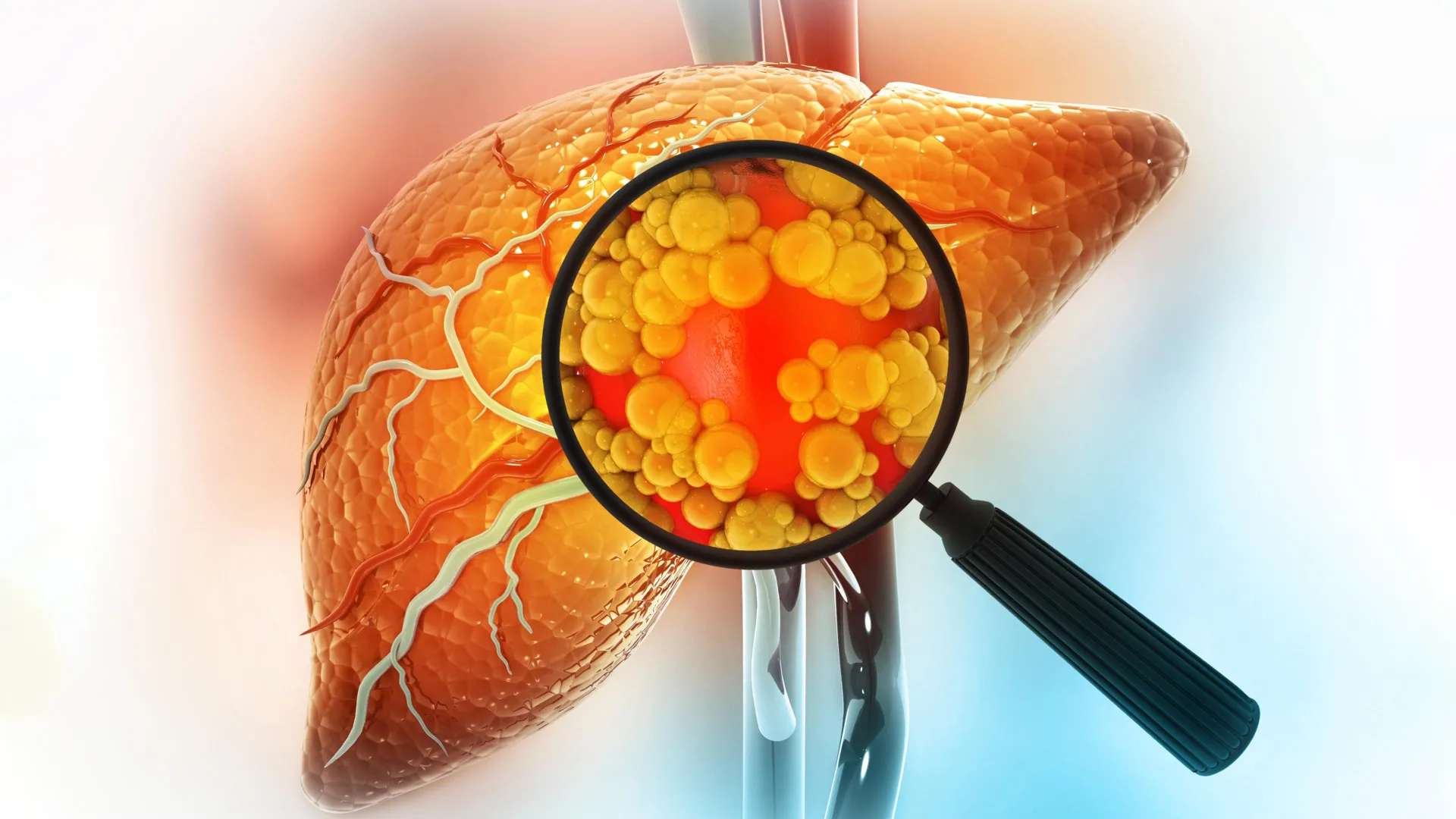
The widespread adoption of sugar substitutes, frequently presented as a healthier alternative to refined sugars, is facing increasing scientific scrutiny, with recent research highlighting potential metabolic complications associated with certain compounds, particularly sorbitol. For decades, consumers have been encouraged to opt for low-calorie sweeteners like aspartame, sucralose, and various sugar alcohols, believing them to offer the sweetness without the metabolic burden of glucose. However, a groundbreaking study now challenges this simplistic narrative, suggesting that sorbitol, a widely used sugar alcohol, may not be metabolically inert and could contribute to adverse health outcomes, specifically impacting liver health, in ways previously underestimated.
Sugar alcohols, or polyols, such as sorbitol, mannitol, and xylitol, have long been integral to the "sugar-free" and "diet" food industries. Their appeal lies in their ability to provide sweetness with fewer calories than sucrose and often without significantly raising blood glucose levels, making them seemingly ideal for individuals managing weight or diabetes. The prevailing assumption has been that these compounds are largely undigested and simply pass through the digestive system, exerting minimal systemic metabolic effects. This perspective has underpinned their broad application in everything from chewing gum and candies to baked goods and pharmaceuticals. However, a new wave of scientific inquiry, exemplified by recent findings, is systematically dismantling this long-held belief, revealing a more intricate interaction between these substitutes and human biochemistry.
Central to this revised understanding is the discovery of sorbitol’s close metabolic relationship with fructose. Research from leading laboratories, notably from Gary Patti’s group at Washington University in St. Louis, has previously illuminated the detrimental effects of fructose metabolism on the liver. Fructose, a sugar found naturally in fruits but also a major component of high-fructose corn syrup, has been linked to the development of steatotic liver disease (formerly known as non-alcoholic fatty liver disease), a condition characterized by excessive fat accumulation in the liver, affecting a significant proportion of the global adult population. Furthermore, earlier investigations by Patti’s team demonstrated that certain byproducts of fructose metabolism can paradoxically fuel the proliferation of cancer cells. The critical new insight regarding sorbitol is its direct biochemical proximity to fructose; scientists describe sorbitol as being merely "one transformation away" from fructose, meaning the body possesses enzymatic machinery capable of converting sorbitol into fructose or highly similar derivatives that can then engage in analogous metabolic pathways. This revelation fundamentally alters the perception of sorbitol from a benign inert substance to a potential precursor for compounds known to be metabolically active and potentially harmful.
The journey of sorbitol within the body is more complex than previously thought, originating from both exogenous dietary sources and endogenous synthesis. Sorbitol is naturally present in various stone fruits and berries, but its prevalence in the modern diet is primarily due to its addition to processed foods, particularly "low-calorie" or "sugar-free" items. Intriguingly, the study reveals that sorbitol does not solely enter the body via consumption; it can also be produced internally. Enzymes within the intestinal lining are capable of synthesizing sorbitol directly from glucose, especially following a meal when glucose concentrations in the gut lumen are elevated. This endogenous production pathway adds another layer of complexity to its metabolic profile.
Historically, the enzyme responsible for this glucose-to-sorbitol conversion was thought to become significantly active only under conditions of abnormally high glucose, such as those observed in individuals with uncontrolled diabetes. In such diabetic states, the body’s compensatory mechanisms can lead to an overproduction of sorbitol, contributing to complications. However, the novel zebrafish experiments conducted by the research team presented a significant paradigm shift. These studies demonstrated that even in healthy organisms, following a typical meal, glucose concentrations within the gut can reach sufficient levels to trigger substantial sorbitol production in the intestine. This finding implies that sorbitol’s metabolic activity is not confined to pathological conditions but can be a routine physiological event in healthy individuals, creating multiple potential avenues for fructose-related compounds to ultimately reach and impact the liver.
A critical determinant in sorbitol’s metabolic fate, the research elucidates, is the composition and activity of the gut microbiome. The vast ecosystem of bacteria residing in the human gut plays a pivotal role in mediating the interaction between ingested substances and host physiology. The study specifically identified certain strains of Aeromonas bacteria that possess the enzymatic capability to degrade sorbitol, converting it into harmless bacterial byproducts. This microbial cleanup acts as a vital protective filter. In individuals harboring sufficient populations of these beneficial sorbitol-degrading bacteria, sorbitol is effectively processed within the gut, preventing its absorption into the systemic circulation and subsequent transit to the liver. This microbial symbiosis underscores the importance of a healthy and diverse gut flora in modulating the body’s response to various dietary components.
Conversely, the absence or insufficiency of these specific microbial strains can lead to significant metabolic repercussions. When the gut microbiome is unable to efficiently metabolize sorbitol, the sugar alcohol is not contained within the alimentary canal. Instead, it is absorbed and transported to the liver, where, as previously discussed, it can be converted into fructose derivatives. This mechanism is particularly concerning for individuals with metabolic disorders, such as diabetes, who frequently opt for "sugar-free" products containing sorbitol, mistakenly believing them to be entirely benign. The research suggests that for these vulnerable populations, a compromised gut microbiome might inadvertently exacerbate metabolic challenges rather than alleviate them, by allowing sorbitol to bypass the microbial filter and contribute to hepatic metabolic stress.
The concept of "overwhelming the system" also emerges as a key factor in sorbitol metabolism. At low, naturally occurring levels, such as those found in whole fruits, the gut microbiome generally appears to be highly effective at degrading sorbitol, ensuring its minimal systemic impact. However, the modern diet often presents sorbitol at much higher concentrations, through two primary routes. First, the consumption of large quantities of glucose-rich foods can lead to increased endogenous production of sorbitol in the intestine. Second, the direct ingestion of significant amounts of sorbitol from processed foods and beverages dramatically increases the total load. When the quantity of sorbitol, whether endogenously produced or exogenously consumed, exceeds the processing capacity of the beneficial gut bacteria, even individuals with a healthy microbiome may experience a metabolic overflow. This saturation point means that more sorbitol will inevitably escape microbial degradation and reach the liver, potentially contributing to adverse outcomes.
This growing body of evidence highlights the intricate challenges facing consumers and public health authorities in navigating the complex landscape of dietary sweeteners. Many processed food products often contain a cocktail of various sugars and sugar substitutes, making it exceedingly difficult for consumers to ascertain the precise metabolic impact of their dietary choices. The personal anecdote of a researcher discovering a large amount of sorbitol in his favorite protein bar exemplifies the pervasive and often hidden presence of these compounds in everyday items. This situation necessitates a more transparent labeling system and greater public awareness regarding the potential metabolic implications of sugar alcohols.
The findings surrounding sorbitol underscore a broader scientific lesson emerging from research into alternative sweeteners: merely replacing ordinary sugar with another sweet-tasting compound does not automatically negate metabolic consequences. The assumption that sugar alcohols are simply inert substances that pass through the body without significant interaction is increasingly being challenged. The new research clearly demonstrates that sorbitol, when given to test subjects, ends up in tissues throughout the body, not merely confined to the digestive tract. This systemic distribution implies a far more active role in human physiology than previously acknowledged.
In conclusion, the scientific community is increasingly emphasizing that "there is no free lunch" when it comes to dietary sweeteners. While sugar substitutes offer certain benefits, their metabolic profiles are proving to be far more nuanced and complex than initially perceived. The case of sorbitol illustrates that even compounds once considered benign can engage in metabolic pathways that potentially lead to liver dysfunction and other adverse health outcomes, particularly when gut microbial balance is compromised or when intake levels exceed the body’s processing capacity. This research calls for a re-evaluation of dietary guidelines, product formulations, and consumer education, urging a more holistic and evidence-based approach to the use of sugar substitutes in the pursuit of improved public health. Continued research, including human clinical trials, is crucial to fully delineate the long-term systemic effects of sorbitol and other sugar alcohols across diverse populations.



 Aura Kasih
 Safa Marwah