Ayu Aulia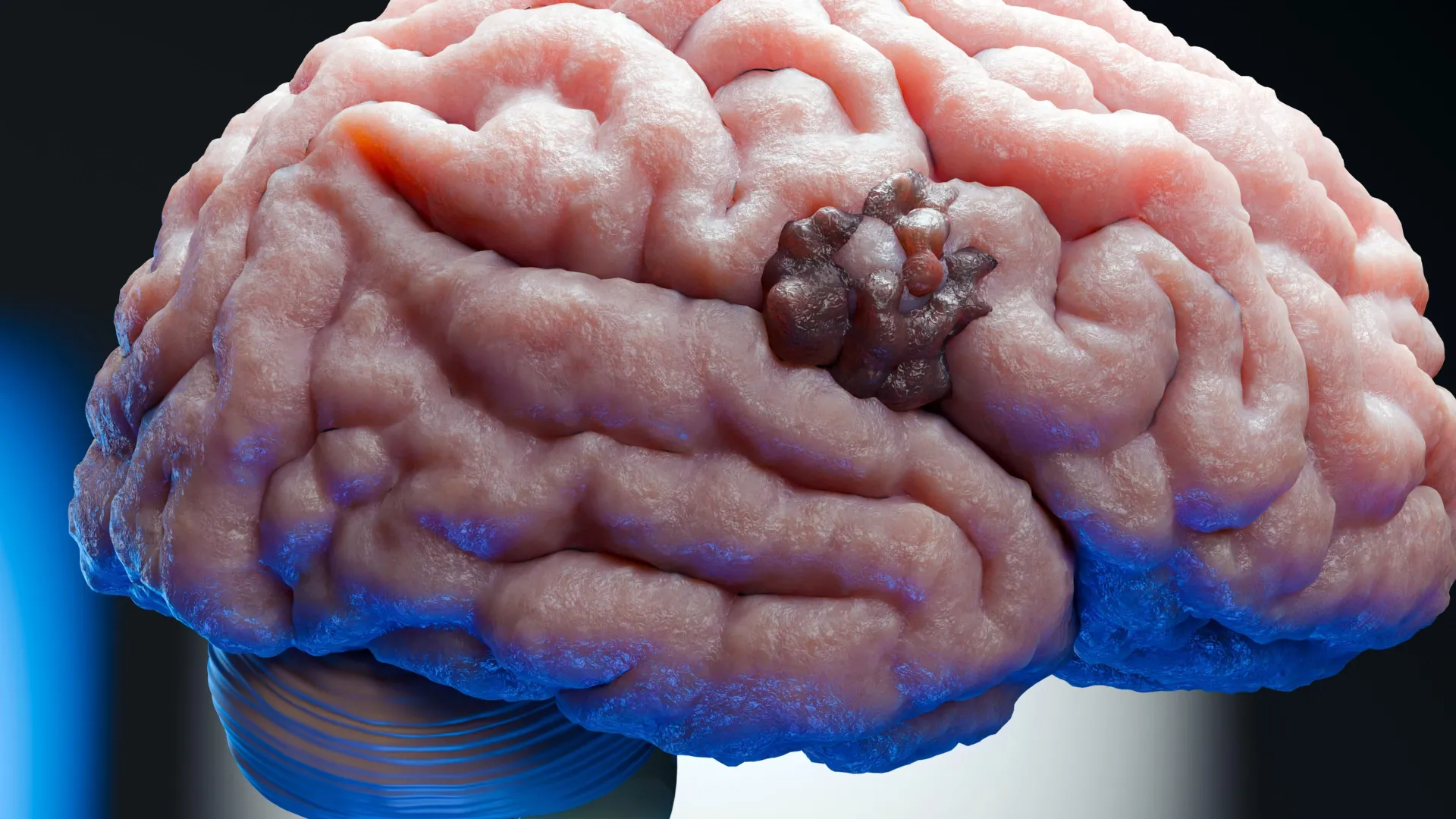
A significant scientific breakthrough offers renewed hope in the relentless fight against glioblastoma, one of the most aggressive and therapeutically challenging forms of brain cancer, by identifying a critical protein pathway that, when targeted, can dramatically enhance the efficacy of existing treatments. Researchers have meticulously uncovered a specific molecular vulnerability within glioblastoma cells, centered around a protein known as SET, which, when inhibited, renders these highly resistant tumors more susceptible to conventional radiation and chemotherapy, potentially transforming the therapeutic landscape for patients facing this devastating diagnosis.
The Unyielding Challenge of Glioblastoma
Glioblastoma multiforme (GBM) represents the most common and deadliest primary malignant brain tumor in adults, characterized by its rapid progression, highly infiltrative nature, and profound resistance to current therapeutic modalities. Despite aggressive interventions involving surgical resection, radiation therapy, and chemotherapy, particularly with temozolomide, the median survival for patients remains distressingly low, typically ranging from 15 to 20 months. This grim prognosis underscores the urgent and unmet need for novel therapeutic strategies capable of overcoming the inherent biological resilience of GBM cells. The tumors’ ability to adapt, evade immune surveillance, and regenerate through stem-like cells contributes to an almost inevitable recurrence, highlighting the critical importance of uncovering fundamental vulnerabilities that can be exploited to disarm their formidable defenses. The blood-brain barrier further complicates drug delivery, making many systemic therapies ineffective against intracranial malignancies. The current standard of care has seen only incremental improvements over decades, necessitating a paradigm shift in research approaches.
Unveiling a Molecular Vulnerability: The PP2A Pathway
The recent findings illuminate a specific molecular Achilles’ heel within glioblastoma’s cellular machinery. The investigation focused on protein phosphatase 2A (PP2A), a ubiquitous enzyme critical for regulating a myriad of cellular processes, including cell growth, proliferation, survival, and stress responses. In healthy cells, PP2A often acts as a tumor suppressor, orchestrating cellular checkpoints and apoptosis (programmed cell death). However, in many cancers, including glioblastoma, PP2A activity is frequently suppressed or hijacked, allowing cancer cells to bypass normal regulatory mechanisms and thrive unchecked.
The research team meticulously examined various proteins implicated in glioblastoma pathology, with the protein SET emerging as a particularly compelling target. SET, along with related proteins such as ANP32A and CIP2A, was found to actively inhibit PP2A activity within glioblastoma cells. This suppression of PP2A effectively disarms a crucial cellular defense mechanism, allowing cancer cells to evade natural checks on their growth and survival, and critically, to withstand the cytotoxic effects of radiation and chemotherapy. By interfering with PP2A, these proteins enable glioblastoma cells to recover more efficiently from treatment-induced damage, promoting resistance and recurrence. The identification of SET as a key antagonist of PP2A provides a clear molecular target for therapeutic intervention, potentially restoring PP2A’s tumor-suppressive functions.
Preclinical Validation and Strategic Implications
The scientific rigor of the study involved a series of preclinical experiments designed to validate the hypothesis that targeting SET and its cohorts could re-sensitize glioblastoma cells. In sophisticated laboratory models, including both in vitro cell culture systems and in vivo animal models, the strategic suppression of SET demonstrated a profound impact. When SET expression was experimentally reduced or blocked, researchers observed a significant decrease in tumor formation and growth. Crucially, interfering with SET and other PP2A-inhibiting proteins not only hindered tumor progression but also markedly enhanced the sensitivity of glioblastoma cells to radiation therapy. This "sensitization" effect is paramount, suggesting that rather than necessitating the development of entirely new, standalone drugs—a process that is notoriously protracted and resource-intensive—this approach aims to make existing, approved therapies far more effective.
This strategy represents a highly pragmatic and potentially rapid path to clinical translation. Improving the efficacy of established treatments by targeting underlying resistance mechanisms could bypass many of the developmental hurdles associated with novel drug discovery, such as extensive toxicology testing and initial safety trials. The objective is not to replace standard care but to augment it, transforming an often-futile battle into a more manageable one. The ability of glioblastoma cells to "adapt and survive," as highlighted by leading researchers, is directly addressed by this strategy, which aims to disable their adaptive capacity. Restoring PP2A activity essentially re-establishes a cellular "fail-safe" mechanism, making cancer cells less resilient to therapeutic insults and more prone to apoptosis.
The Promise of Enhanced Therapies
The identification of this biological pathway offers a robust framework for developing targeted interventions designed to weaken the cancer’s intrinsic defenses. The potential implications for patient outcomes are substantial. Even a modest increase in the effectiveness of current treatments could translate into significant improvements in progression-free survival and, ultimately, overall survival rates for glioblastoma patients, offering precious additional time and an enhanced quality of life. Furthermore, by making existing therapies more potent, it may be possible to achieve therapeutic benefits with lower doses, potentially mitigating some of the severe side effects associated with high-dose radiation and chemotherapy, thereby improving patient tolerability.
This research underscores a growing trend in oncology to move beyond broad-spectrum cytotoxic agents towards more precision-based medicine. By understanding the specific molecular mechanisms that confer resistance, scientists can design highly targeted therapies that selectively disarm cancer cells without unduly harming healthy tissue. The PP2A pathway, given its central role in cell regulation, presents itself as a critical hub where targeted intervention could yield systemic benefits against the tumor. The focus on sensitizing cells to existing treatments also aligns with principles of combination therapy, a cornerstone of modern cancer treatment, wherein multiple agents are used synergistically to attack cancer from different angles.
Navigating the Path to Clinical Translation
While these findings represent a monumental "first step," the journey from preclinical discovery to clinical application is intricate and demanding. The results, though highly promising, are preliminary and have not yet undergone rigorous evaluation in human patients. The immediate next phase of research will focus on rigorously investigating the safety and efficacy of targeting SET or other PP2A-suppressing proteins in clinical settings. This will involve identifying or developing specific inhibitors that can selectively block these proteins without causing unacceptable toxicity to normal brain tissue or other organs. Drug delivery to the central nervous system remains a significant challenge due to the blood-brain barrier, necessitating innovative approaches to ensure therapeutic concentrations reach the tumor site.
Researchers are actively exploring various avenues, including the repurposing of existing pharmaceutical agents. Intriguingly, the team examined an FDA-approved antipsychotic drug known to enhance PP2A activity. The observation that an already approved medication could influence this critical pathway provides an additional impetus for further investigation. Drug repurposing offers a potentially accelerated route to clinical trials, as these compounds have already undergone extensive safety profiling in humans. However, it is paramount to emphasize that such a drug is not currently indicated for glioblastoma treatment and should under no circumstances be used for this purpose outside of carefully controlled clinical trials. The specific context of its use, optimal dosing, potential off-target effects in glioblastoma patients, and synergistic interactions with standard therapies must all be thoroughly evaluated.
The transition to clinical trials will involve multiple phases. Phase I trials will assess the safety and optimal dosing of any SET inhibitors or PP2A activators, either alone or in combination with standard treatments. Subsequent Phase II and III trials will then evaluate their efficacy in larger patient cohorts, measuring endpoints such as progression-free survival, overall survival, and quality of life. This meticulous process ensures that any new treatment strategy is both safe and genuinely beneficial for patients.
Broader Scientific Resonance
The implications of this research may extend beyond glioblastoma. The PP2A pathway is frequently dysregulated in a wide spectrum of human cancers, suggesting that similar strategies targeting its inhibitors could potentially be applicable to other aggressive malignancies that exhibit resistance to conventional therapies. This broad potential underscores the fundamental importance of understanding core cellular regulatory mechanisms in cancer biology. The collaborative nature of this research, supported by significant grants from leading institutions, highlights the collective effort required to tackle such complex diseases.
In conclusion, the identification of SET as a critical protein that suppresses the tumor-suppressive enzyme PP2A in glioblastoma cells represents a pivotal advance. By strategically disarming this molecular defense mechanism, researchers are paving a clear path toward enhancing the effectiveness of current treatments, offering a much-needed ray of hope for patients confronting this formidable brain cancer. The ongoing investigation into safe and effective ways to restore PP2A activity promises to redefine the treatment paradigm, marking an important step toward transforming a historically bleak prognosis into one of greater optimism and therapeutic opportunity.



 Aura Kasih
 Safa Marwah