Aura Kasih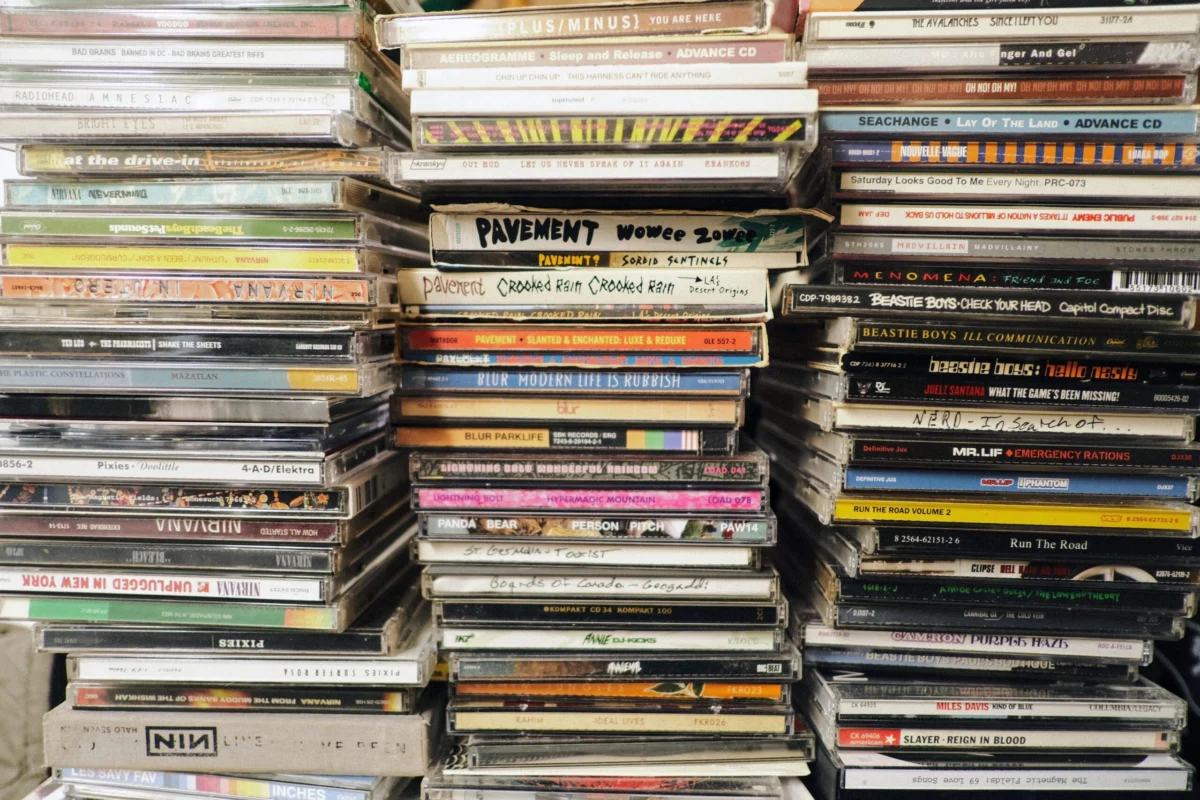
In a surprising turn of events that defies decades of digital dominance, the compact disc (CD) is experiencing a significant resurgence, with sales figures in the first half of 2026 demonstrating an impressive surge that has captured the attention of industry observers and music enthusiasts alike. This renewed appetite for the once-ubiquitous silver disc signals a broader trend of physical media’s return to prominence, challenging the established narrative of streaming’s absolute reign and highlighting a persistent desire for tangible cultural artifacts.
The latest data from the Recording Industry Association of America (RIAA) paints a vivid picture of this unexpected renaissance. In the initial six months of 2026, CD sales witnessed a dramatic leap, with approximately 17.5 million units finding new owners. This represents a substantial increase from the 12 million units sold during the corresponding period in 2025, marking a growth of nearly 46 percent in unit volume. This surge translated directly into a significant financial uplift, with dollar sales climbing by an even more impressive 58.6 percent, reaching a robust $171.1 million. This rebound is particularly noteworthy given the CD market’s recent trajectory; in the preceding year, from 2024 to 2025, CD sales had actually contracted by 22 percent, underscoring the magnitude of the current upward swing.
This phenomenon is not an isolated observation. Research firm Luminate, a key provider of music consumption data, corroborated the RIAA’s findings in a July report. Luminate’s analysis indicated that 16.3 million CDs were purchased in the first half of 2026. The firm’s research suggests that a significant portion of this increased demand can be attributed to the strategic release of special editions by prominent K-Pop artists, such as BTS. These offerings, often bundled with exclusive photocards, posters, and other collectible items, appear to be resonating particularly well with younger demographics, specifically Gen Z and millennials. Intriguingly, Luminate’s report also noted that a substantial segment of these CD buyers do not actually own a CD player, suggesting that for many, these discs are being acquired primarily as tangible collectibles rather than for their functional playback capabilities. This behavior mirrors a broader trend where physical media is being embraced for its aesthetic and commemorative value, transcending its original utility.
The vinyl record, a format long declared dead only to experience its own remarkable revival in recent years, has continued its upward trajectory. In the first half of 2026, vinyl unit sales experienced a robust increase of nearly 21 percent compared to the previous year, reaching an impressive 26.5 million units. This sustained growth further solidifies vinyl’s position as a significant player in the physical media landscape, appealing to audiophiles and collectors who value its perceived sonic warmth and the ritualistic experience of listening.

Beyond CDs and vinyl, the category of "other physical" media has also demonstrated exceptional growth. This broad classification, encompassing items such as CD singles, DVDs, cassettes, SACDs, and DVD-Audio discs, saw a staggering surge of over 73 percent in unit sales, totaling 1.6 million units. This multifaceted expansion across various physical formats suggests a wider consumer preference for tangible forms of media, indicating a desire for ownership and a tangible connection to the music and entertainment they consume.
Despite this burgeoning enthusiasm for physical media, it is crucial to contextualize these figures within the broader music industry landscape. Streaming services continue to dominate the market, representing the primary revenue stream for recorded music. In the first half of 2026, streaming revenue experienced a steady growth of 4.7 percent, accumulating a substantial $4.9 billion. This figure dwarfs the combined revenue generated by all physical media formats, underscoring the enduring dominance of digital access models. However, the robust performance of physical media, particularly the unexpected rebound of CDs, indicates that the market is not a monolithic entity and that diverse consumption patterns coexist and even thrive.
The resurgence of the CD can be understood through several lenses. One significant factor is the growing appreciation for music as a tangible object in an increasingly digital and ephemeral world. For many, owning a physical album offers a more profound connection to an artist’s work, providing liner notes, artwork, and a sense of permanence that digital files often lack. This desire for tangibility is amplified by the rise of nostalgia marketing and the rediscovery of older technologies by younger generations. The aforementioned K-Pop phenomenon exemplifies this, where limited edition CDs serve as high-value merchandise and status symbols for dedicated fanbases. These releases are often designed with elaborate packaging and bonus content, transforming the CD into a desirable collectible akin to a piece of art or memorabilia.
Furthermore, the perceived value proposition of CDs may be shifting. While once criticized for their cost relative to digital downloads, the current economic climate and the increasing subscription fatigue associated with streaming services might be making the one-time purchase of a CD a more appealing option for some consumers. The ability to own music outright, without recurring monthly fees, presents a different kind of value that resonates with a segment of the market.
The renewed interest in physical media also aligns with a broader cultural trend of re-evaluating and embracing older technologies. The recent resurgence of the iPod, for instance, suggests a romanticization of past eras of music consumption and a desire for simpler, more intentional listening experiences. This sentiment can easily extend to the CD, a format that, while perhaps lacking the portability of digital music players, offers a distinct listening ritual and a dedicated space for album art and information.

From an industry perspective, the CD comeback presents both opportunities and challenges. For record labels and artists, it offers a diversified revenue stream beyond the often-tight margins of streaming royalties. The ability to generate significant income from physical sales, particularly through collector-oriented releases, can be a crucial financial support. However, it also requires a strategic approach to production, distribution, and marketing, catering to a niche but dedicated consumer base. The logistical complexities of managing physical inventory and reaching collectors globally are significant considerations.
The implications of this trend extend beyond mere sales figures. It suggests a potential recalibration of how music is valued and consumed. While streaming has democratized access to vast music libraries, the tangible ownership offered by physical media provides a different form of engagement and appreciation. This dual ecosystem, where streaming offers convenience and breadth, and physical media offers depth and tangibility, may represent the future of music consumption.
Looking ahead, the sustained growth of CD sales and physical media in general will likely depend on several factors. Continued innovation in packaging and collectible editions will be crucial to maintaining the allure of CDs as desirable items. Artists and labels will need to strategically leverage physical releases to complement their digital presence, creating synergy rather than competition. Furthermore, the evolving preferences of younger consumers, who are increasingly influential in shaping market trends, will be a key determinant. If the collectible aspect of CDs continues to resonate, and if artists can effectively tap into the desire for tangible fan engagement, the CD may well solidify its position not just as a nostalgic relic, but as a vital component of the modern music industry. The unexpected ascent of the compact disc is a compelling narrative of cultural resilience and the enduring human desire for physical connection in an increasingly digital world.




 Safa Marwah
 Ayu Aulia