Aura Kasih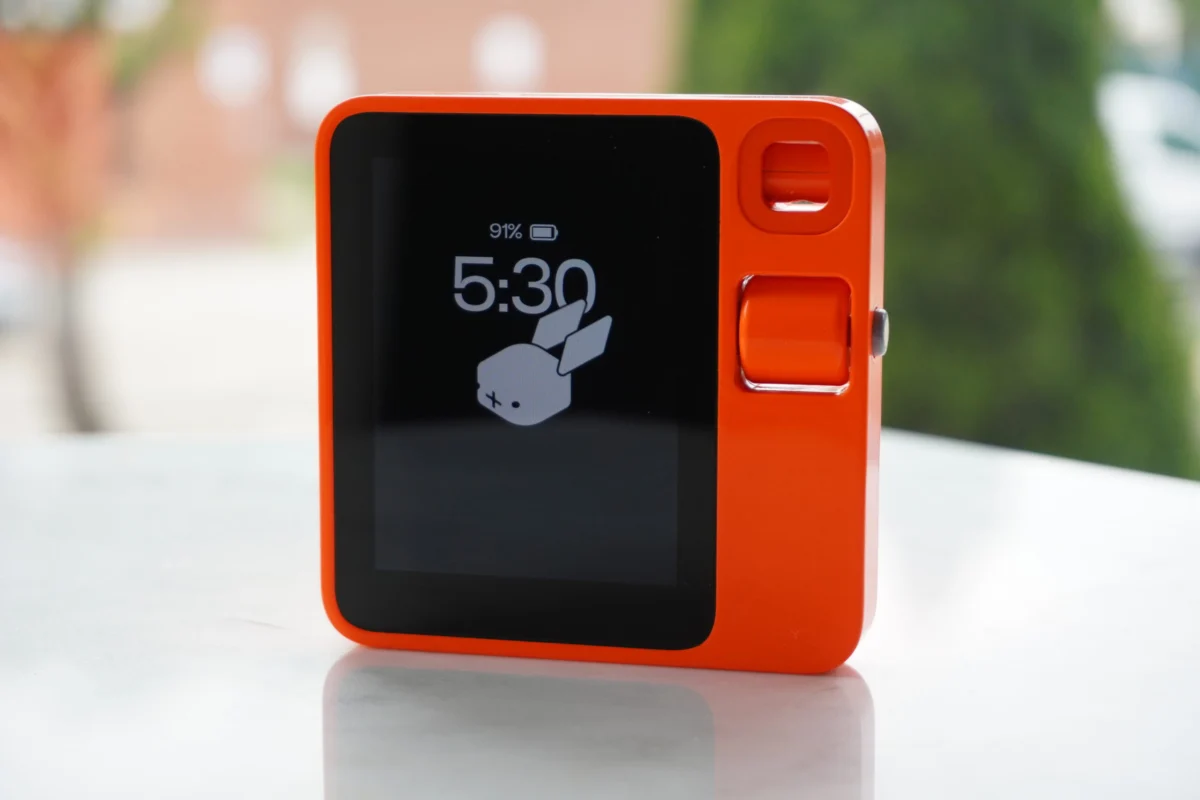
Rabbit, a company that recently garnered attention for its R1 AI-powered gadget, is undergoing a significant strategic shift, unveiling a new agentic operating system, OS3, that liberates its artificial intelligence capabilities from the confines of proprietary hardware. This innovative approach promises to embed Rabbit’s AI across a multitude of user devices and platforms, marking a departure from its initial hardware-centric strategy.
The genesis of Rabbit’s journey into the artificial intelligence hardware space was marked by the introduction of the R1 device. While positioned as a novel gadget designed to streamline interactions with digital services through an AI agent, early reception and reviews indicated a gap between its ambitious vision and practical execution. The R1, intended to act as a central hub for AI-powered task completion, faced scrutiny regarding its performance, user experience, and the overarching value proposition it offered to consumers accustomed to existing smartphone and computer interfaces. This less-than-stellar debut appears to have catalyzed a re-evaluation of Rabbit’s core product strategy.
The unveiling of OS3 represents a fundamental pivot, moving the company’s focus from a singular hardware device to a more pervasive software-based AI integration. OS3 is described as an "agentic operating system," a concept that suggests a system capable of proactively and autonomously performing tasks on behalf of the user. Unlike traditional operating systems that require direct command inputs for every action, an agentic OS aims to understand user intent and execute complex sequences of operations across various applications and services. This can range from scheduling appointments and managing communications to conducting research and automating workflows, all without explicit step-by-step instructions for each component.
A key differentiator of OS3 is its architecture: it operates primarily in the cloud, but crucially, it is designed to function locally across a broad spectrum of user devices, including Windows, macOS, and Linux computers. This cloud-based yet locally-integrated model offers a compelling blend of computational power and responsive user interaction. By leveraging cloud infrastructure for heavy processing and model execution, Rabbit can provide sophisticated AI capabilities without overburdening individual devices. Simultaneously, the local integration ensures that the agent can interact seamlessly with the user’s existing software environment, accessing files, launching applications, and responding to system events with minimal latency.
Rabbit’s announcement indicates that a single OS3 account can support up to five distinct devices. This multi-device connectivity is a significant feature, allowing users to maintain a consistent AI experience across their personal and professional computing environments. Furthermore, the system is designed to be adaptable, enabling users to integrate their preferred AI models. This open approach to model integration suggests that OS3 is not tied to a specific proprietary AI but can leverage a range of large language models and other AI technologies, potentially allowing users to select models that best suit their needs for different tasks, whether it be for creative writing, complex data analysis, or general conversational AI.
The operational mechanism of OS3 is intended to be highly intuitive. The system will possess the capability to automatically identify and utilize the necessary devices, files, applications, and AI models required to fulfill a given task. This "intelligent orchestration" is at the heart of the agentic operating system concept. For example, if a user requests to "summarize the key points from the meeting transcript and draft an email to the team," OS3 would, in theory, locate the relevant transcript file, identify the appropriate AI model for summarization, process the text, and then access the user’s email client to compose and prepare the draft. This level of automation promises to significantly reduce the cognitive load on users, freeing them from the tedious execution of multi-step digital processes.
Accessibility is another cornerstone of Rabbit’s OS3 strategy. Beyond its desktop site, which serves as a primary access point for configuration and interaction, the agentic OS will be available through paired messaging applications such as Telegram and iMessage. This integration with familiar communication platforms allows users to interact with their AI agent in a conversational manner, further simplifying the user experience. The ability to issue commands and receive outputs through messaging interfaces means that users can engage with OS3 without needing to open a dedicated application or navigate a complex dashboard, making it readily available for quick tasks and queries. Naturally, the R1 device itself will also remain a platform for accessing OS3, although its role appears to be evolving.

In light of the strategic shift, Rabbit founder Jesse Lyu has confirmed to Wired that the company has ceased manufacturing R1 devices. This decision signals a clear prioritization of software development and a move away from the hardware-centric model that characterized the R1’s introduction. However, Rabbit is not abandoning the concept of specialized AI hardware entirely. The company is reportedly focusing its hardware efforts on a new "vibe-coding ‘cyberdeck’" device. This forthcoming hardware is described as a more niche, potentially specialized form factor, designed to run OS3. The "cyberdeck" concept often refers to compact, portable, and often customizable computing devices, hinting at a future where Rabbit might explore specialized hardware that complements its agentic OS, rather than serving as its sole gateway. The timeframe for this new hardware’s launch is indicated to be within "months," suggesting a rapid transition in Rabbit’s product development roadmap.
A critical aspect of any AI system, particularly one designed to interact with personal data, is its approach to privacy and data handling. Rabbit asserts that OS3 is designed with user privacy at its forefront. The company claims that the system will not store, copy, use, or sell user data. This is a significant commitment, especially for a system that aims to have broad access to a user’s digital environment. However, the company does stipulate that chats and the "memories" derived from them will be retained on its servers. This retention is likely necessary for the system to learn and improve over time, enabling context awareness and personalization. Furthermore, the privacy policies of any third-party AI providers that users choose to integrate with OS3 will also come into play, meaning that users will need to be mindful of the data handling practices of these external services.
The implications of Rabbit’s pivot to an agentic operating system are far-reaching. Firstly, it democratizes access to advanced AI capabilities. By decoupling AI from expensive or niche hardware, Rabbit aims to make its AI agent accessible to a much wider audience. This move aligns with a broader industry trend towards software-defined intelligence, where the power of AI is delivered through versatile platforms rather than dedicated devices.
Secondly, the focus on an "agentic" approach represents a significant step towards a more proactive and intelligent computing experience. Current AI assistants, while capable, often require explicit prompts and commands. An agentic OS, by contrast, aims to anticipate user needs and automate complex workflows, potentially transforming how individuals interact with their digital tools. This could lead to substantial gains in productivity and efficiency across various professional and personal domains.
Thirdly, Rabbit’s strategy of allowing users to integrate their preferred AI models introduces an element of user empowerment and flexibility. In a rapidly evolving AI landscape, users may have specific preferences for certain models based on their performance, cost, or ethical considerations. By supporting a multi-model approach, OS3 positions itself as a versatile interface rather than a closed ecosystem.
However, the success of OS3 will hinge on several factors. The effectiveness of its "intelligent orchestration" will be paramount. Users will expect the agent to reliably understand their intent and execute tasks accurately and efficiently. The user experience, particularly through messaging interfaces and desktop access, must be seamless and intuitive. Furthermore, Rabbit’s commitment to data privacy will need to be rigorously maintained and transparently communicated. Any perceived breaches or misuse of data could severely damage user trust and hinder adoption.
The competitive landscape for AI software and operating systems is intensifying. Major technology companies are investing heavily in their own AI platforms and assistants. Rabbit’s success will depend on its ability to carve out a distinct niche and offer a compelling value proposition that differentiates it from established players. The success of the forthcoming "cyberdeck" hardware will also be a factor, as it could serve as a flagship device that showcases the potential of OS3 in a purpose-built form.
In conclusion, Rabbit’s strategic pivot from the R1 hardware to the cloud-based, locally-integrated OS3 agentic operating system signifies a maturing of its vision. By prioritizing software and ubiquitous AI integration, the company is positioning itself to compete in a rapidly evolving technological landscape. The success of OS3 will ultimately be determined by its ability to deliver on the promise of a truly agentic and intuitive AI experience, while rigorously upholding user privacy and offering a flexible, adaptable platform. The transition from a singular hardware device to a pervasive software solution marks a critical juncture for Rabbit, potentially paving the way for a more impactful and widespread influence in the future of artificial intelligence.



 Lisa Mariana
 Safa Marwah
 Ayu Aulia