
 Lisa Mariana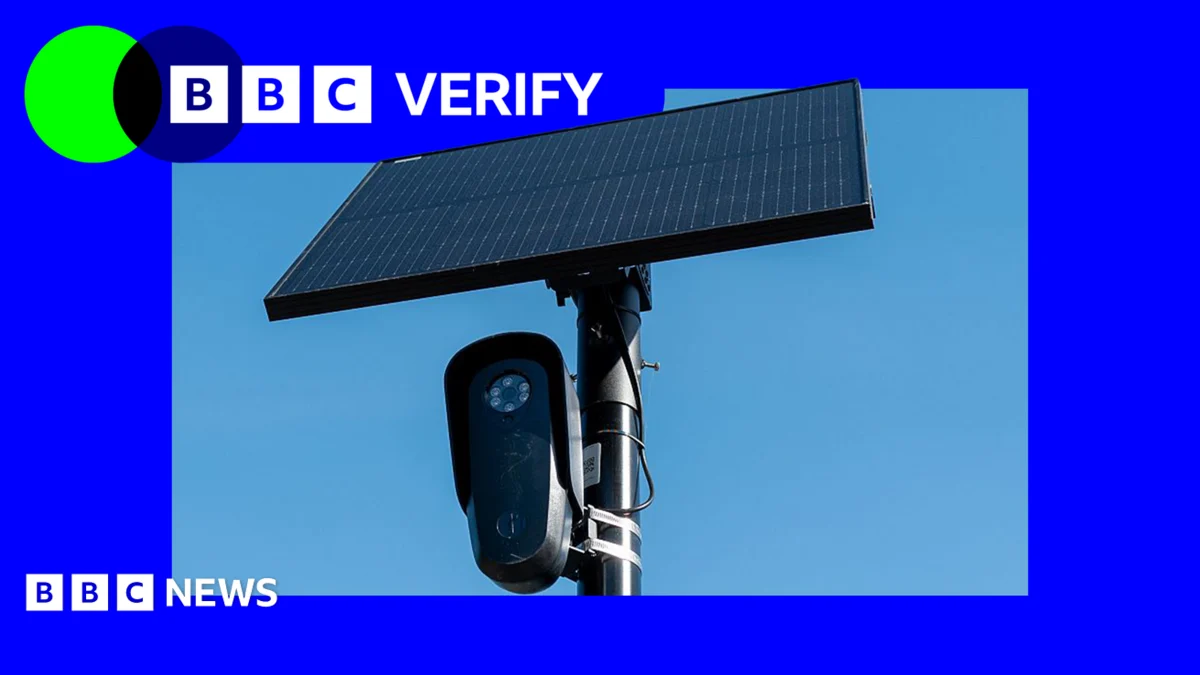
Across the United States, a sophisticated network of artificial intelligence-powered license plate recognition technology, predominantly spearheaded by a private vendor, is experiencing an unprecedented surge in deployment, prompting a contentious national discourse concerning individual privacy rights and the scope of governmental and corporate surveillance capabilities. This expansive digital infrastructure, now comprising an estimated 130,000 interconnected camera devices, has become a ubiquitous presence in numerous communities, primarily integrated into law enforcement operations. However, its accelerated integration has concurrently fueled substantial public apprehension and organized resistance, compelling a closer examination of its operational mechanics, societal ramifications, and the burgeoning ethical and legal challenges it presents.
The entity at the nexus of this burgeoning surveillance landscape is Flock Safety, a technology firm that markets its automated license plate readers (ALPRs) and associated software as a comprehensive public safety solution. Established with the stated objective of reducing crime through technology, Flock Safety’s core offering involves high-definition cameras equipped with advanced AI algorithms capable of capturing and interpreting license plate data from vehicles passing within their field of view. These devices are typically mounted on utility poles, streetlights, or purpose-built stands, strategically positioned at entry and exit points of neighborhoods, along major thoroughfares, and in commercial zones. The captured data, which includes not only the license plate number but often a timestamp, location, and an image of the vehicle, is then transmitted to a centralized cloud-based database.
The scale of this network’s expansion is particularly striking. From a relatively nascent presence just a few years ago, Flock Safety’s ALPR system has proliferated into thousands of municipalities, suburban communities, and even private residential areas across all 50 states. This growth trajectory is not merely linear but exponential, driven by aggressive marketing to police departments, homeowners’ associations (HOAs), and private businesses. The appeal for these entities is multifaceted: law enforcement agencies are enticed by the promise of enhanced investigative capabilities and improved clearance rates for crimes such as vehicle theft, burglary, and missing persons cases; HOAs seek to bolster neighborhood security and deter property crime; and businesses aim to protect assets and monitor premises. This rapid adoption signifies a significant shift in the operational paradigm of local policing and community security, moving towards a more data-driven and preemptive surveillance model.
Operationally, Flock Safety’s system functions as a powerful forensic and real-time intelligence tool. When a crime occurs, investigators can query the database for vehicles matching specific criteria, such as a particular make, model, color, or, most crucially, a license plate number. The AI can identify vehicles of interest and trace their movements across the network, potentially providing crucial leads or confirming alibis. Furthermore, the system can be configured to issue real-time alerts when a vehicle on a "hot list" – such as one associated with an Amber Alert, a stolen vehicle report, or a suspect in an active investigation – passes by a camera. This capability is presented as a transformative asset for rapid response and apprehension, significantly reducing the manual effort traditionally required for such investigations.
However, it is precisely this pervasive data collection and retention that has become the focal point of intense scrutiny and opposition. Civil liberties advocates and privacy organizations contend that Flock Safety’s network constitutes an unprecedented infrastructure for mass surveillance, fundamentally altering the relationship between citizens and the state. Unlike traditional surveillance methods that target specific individuals or locations based on probable cause, ALPRs indiscriminately collect data on every vehicle that passes, regardless of whether its occupants are suspected of any wrongdoing. This creates a detailed historical record of innocent citizens’ movements, a digital dossier that can be accessed and analyzed. The cumulative effect is the creation of a "digital panopticon," where the constant awareness of being potentially monitored can have a chilling effect on free assembly, expression, and association.
A primary concern revolves around data retention policies. While Flock Safety asserts that data is typically purged after a fixed period, often 30 days, the sheer volume of information collected and its potential for aggregation raise significant privacy implications. Who has access to this data? How is it secured against breaches or unauthorized access? And what are the possibilities for "mission creep," where data initially collected for solving serious crimes could be repurposed for less critical objectives, such as enforcing minor infractions, tracking political activists, or even aiding in civil disputes like debt collection or immigration enforcement? The potential for abuse, both intentional and accidental, is a central tenet of the backlash.
Furthermore, the accuracy and potential for bias in AI-driven systems are frequently cited issues. While ALPR technology has advanced considerably, no system is infallible. Misidentifications, particularly under challenging environmental conditions or with partially obscured plates, can lead to false positives, potentially subjecting innocent individuals to unnecessary scrutiny, stops, or even arrest. There are also concerns about algorithmic bias, where the system might inadvertently disproportionately impact certain demographic groups or neighborhoods based on historical policing patterns or camera placement. The lack of independent auditing and transparent review mechanisms for these algorithms exacerbates these fears.
The expansion of Flock Safety’s network has not occurred without significant public outcry. Communities across the nation have witnessed grassroots movements emerge, organizing protests, public forums, and legislative lobbying efforts. These groups, often spearheaded by local civil liberties organizations, privacy advocates, and concerned citizens, demand greater transparency, public debate, and democratic oversight before such pervasive surveillance technologies are deployed. They argue that decisions with such profound implications for civil liberties should not be made solely by police departments or private HOAs but should involve comprehensive public engagement and, ideally, direct citizen approval. Some cities have seen residents push for moratoriums on ALPR deployment, while others have successfully campaigned for outright bans or the implementation of strict usage policies.
The legal landscape governing ALPRs remains fragmented and inconsistent across jurisdictions. While some states and municipalities have enacted specific regulations addressing data retention, access protocols, and oversight mechanisms for ALPR data, many operate within a legal vacuum. Federal law offers limited protection, leaving much of the regulatory burden to state and local governments. This patchwork approach leads to disparities in privacy protections, where citizens in one city might be extensively tracked with minimal oversight, while those in a neighboring jurisdiction enjoy more robust safeguards. Critics argue that the Fourth Amendment’s protection against unreasonable searches and seizures is increasingly challenged by technologies that allow for the retrospective tracking of individuals’ movements without a warrant or individualized suspicion. Courts are beginning to grapple with these novel questions, but definitive legal precedents that fully address the scope of digital surveillance in the public sphere are still evolving.
In a broader context, the rise of Flock Safety also highlights the growing trend of public-private partnerships in surveillance. Private companies are increasingly developing and deploying technologies that gather vast amounts of data, which is then made accessible to law enforcement. This raises questions about accountability, transparency, and the potential for profit motives to influence public safety policy. While the stated goal is always to enhance safety and deter crime, the mechanisms for ensuring that these systems are used ethically and within constitutional bounds are often underdeveloped.
Looking ahead, the tension between the desire for enhanced public safety and the fundamental right to privacy is poised to intensify. As ALPR technology becomes more sophisticated, integrated, and ubiquitous, the imperative for robust public discourse, transparent governance, and stringent ethical guidelines becomes paramount. The ongoing debate surrounding Flock Safety’s rapidly expanding network serves as a critical litmus test for how societies will navigate the complex interplay of technological advancement, security imperatives, and the preservation of individual liberties in an increasingly data-rich and interconnected world. The ultimate outcome will likely shape the contours of digital citizenship for generations to come, determining the extent to which private movements remain truly private in the face of ever-present algorithmic scrutiny.




 Aura Kasih
 Ayu Aulia

 Safa Marwah