
 Ayu Aulia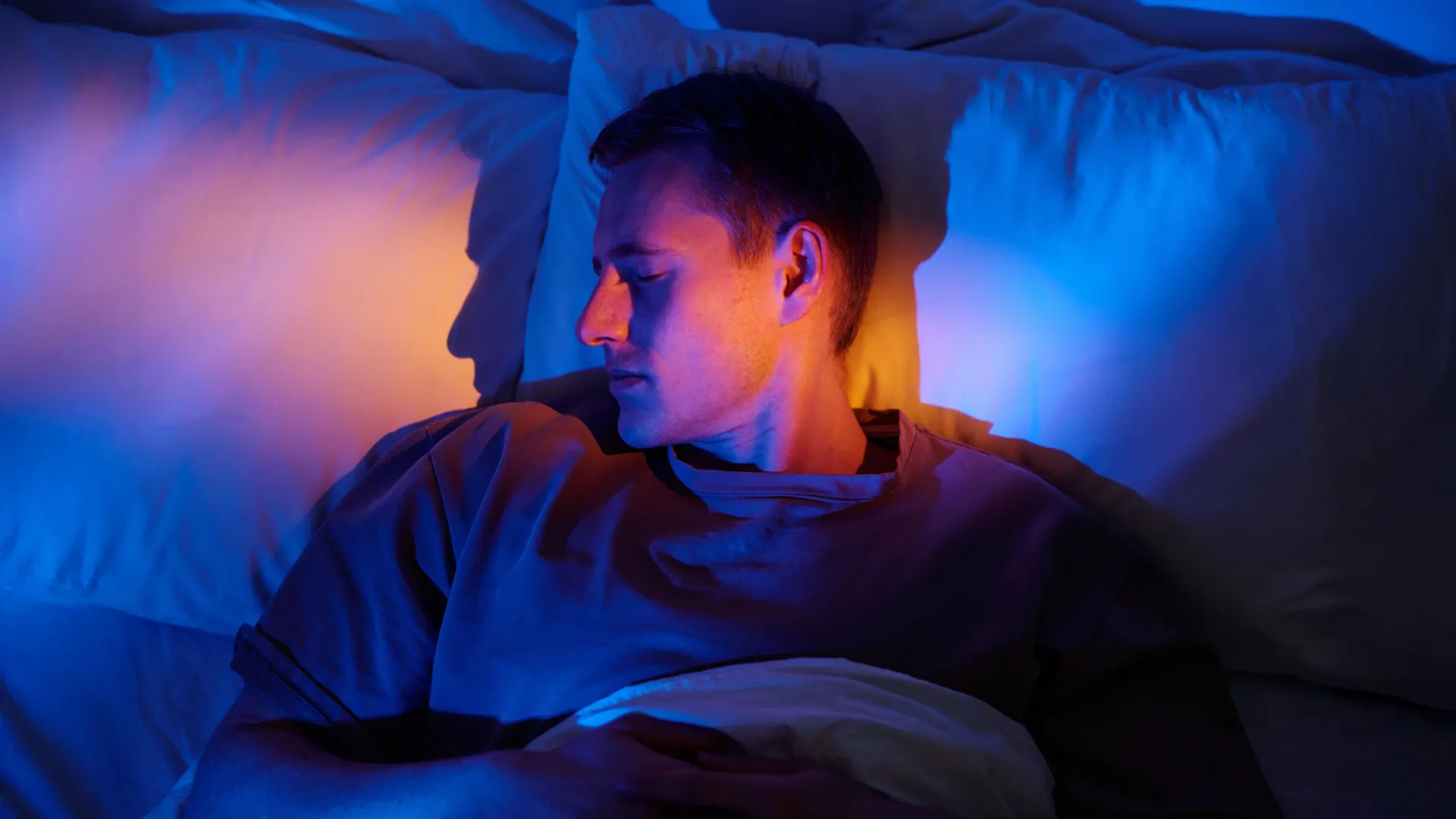
A groundbreaking investigation involving over eleven thousand individuals has elucidated a concerning correlation between exposure to artificial light during nighttime hours and discernible, potentially detrimental alterations in both the structural integrity and functional capacity of the human heart. These pivotal findings, recently disseminated in a leading European cardiology journal, suggest that the ubiquitous presence of ambient light after sunset may quietly be contributing to a significant public health challenge, silently initiating a process of cardiac remodeling that warrants urgent attention from medical professionals and urban planners alike.
For millennia, human physiology has evolved in concert with the Earth’s natural light-dark cycle, a fundamental rhythm that orchestrates a vast array of biological processes. This intrinsic synchronization, known as the circadian rhythm, governs everything from sleep-wake cycles and hormone secretion to metabolic regulation and cellular repair. The advent of artificial illumination, particularly over the last century, has fundamentally decoupled human activity from natural darkness, introducing a persistent and increasingly pervasive source of light into our nocturnal environments. While offering undeniable societal benefits, this environmental shift has concurrently raised profound questions regarding its long-term health implications, particularly concerning cardiovascular well-being. Previous epidemiological observations have hinted at a connection between nighttime light exposure and an elevated incidence of cardiovascular maladies; however, the precise mechanisms and specific cardiac changes involved have remained largely uncharacterized until now.
This recent inquiry sought to bridge that knowledge gap by meticulously examining the impact of nocturnal light on cardiac morphology and performance over time. The research initiative, spearheaded by a distinguished professor from Tulane University, leveraged an extensive dataset to provide a granular understanding of how prolonged exposure to artificial light might manifest within the heart’s intricate architecture.
The methodological rigor of the study is notable, drawing upon data from 11,071 participants enrolled in the UK Biobank, a world-renowned biomedical database and research resource. Each participant was equipped with a wrist-worn light sensor, a sophisticated device capable of precisely quantifying ambient light exposure throughout a continuous seven-day period. This objective measurement provided a robust and individualized assessment of each person’s typical nocturnal light environment, moving beyond subjective self-reporting. Crucially, approximately three years following this initial light exposure assessment, participants underwent comprehensive cardiac magnetic resonance imaging (MRI) scans. Cardiac MRI stands as the gold standard for non-invasive assessment of cardiac structure and function, offering unparalleled detail regarding ventricular volumes, wall thickness, myocardial mass, and contractile dynamics. This longitudinal design, combining objective exposure data with advanced imaging, allowed researchers to observe changes that unfolded over time, strengthening the inferential power of their findings.
The analytical phase of the study involved a meticulous comparison between two distinct groups: individuals whose nighttime light exposure consistently exceeded a threshold of three lux – a level comparable to a dimly lit room or weak streetlight penetration – and those who experienced virtually no light during their sleep hours. The choice of a three-lux threshold is significant, as it represents a relatively low level of illumination, often dismissed as benign, yet potentially capable of influencing biological processes.
The results of this detailed analysis revealed several critical and concerning cardiac changes among individuals exposed to higher levels of nocturnal light. A prominent finding was the observed thickening of the left ventricular wall. The left ventricle, the primary pumping chamber of the heart, is responsible for ejecting oxygenated blood to the entire body. A thickened ventricular wall, a condition known as left ventricular hypertrophy (LVH), signifies an increased muscle mass that can initially be an adaptive response to increased workload or stress. However, chronic hypertrophy often leads to a reduction in the internal space of the chamber, impairing its ability to fill adequately with blood during diastole (the relaxation phase of the heartbeat). This structural alteration can compromise the heart’s overall pumping efficiency and is a recognized independent risk factor for various adverse cardiovascular events, including heart failure, arrhythmias, and sudden cardiac death.
Beyond structural changes, the cardiac MRI scans also unveiled functional impairments. The heart muscle in those exposed to more light demonstrated reduced flexibility, indicating a diminished capacity to relax and contract optimally with each beat. This decreased myocardial elasticity, often termed diastolic dysfunction, implies that the heart struggles to properly fill with blood, even before its ability to eject blood (systolic function) is significantly compromised. Diastolic dysfunction is a common precursor to heart failure, particularly heart failure with preserved ejection fraction (HFpEF), a condition that is increasingly prevalent and challenging to manage. Furthermore, the study identified changes in other cardiac chambers, specifically the right ventricles and left atria. Remodeling of the left atrium, for instance, is frequently associated with an increased risk of atrial fibrillation, the most common type of heart arrhythmia.
The principal investigator underscored the pioneering nature of these findings, characterizing them as the first study to directly link nighttime light exposure to cardiac remodeling. Cardiac remodeling is a complex process involving changes in the size, shape, and function of the heart in response to various stressors, such as hypertension, myocardial infarction, or chronic inflammation. While initially a compensatory mechanism, sustained remodeling ultimately weakens the heart, making it less efficient and progressively increasing the risk of developing heart failure. The implication is profound: artificial light, once considered a benign aspect of modern living, is now emerging as a novel environmental stressor capable of inducing pathological changes in the cardiovascular system. This positions light pollution as a nascent, yet significant, risk factor for cardiovascular disease, urging clinicians and policymakers to consider strategies for mitigating nocturnal light exposure as a potential public health intervention.
The biological plausibility underpinning these observations is robust, largely centered on the disruption of the body’s intricate circadian clock and the subsequent impact on physiological processes. The primary mechanism through which artificial light at night exerts its influence is believed to be the suppression of melatonin, a hormone naturally produced by the pineal gland in response to darkness. Melatonin plays a crucial role beyond sleep regulation; it possesses potent antioxidant, anti-inflammatory, and vasodilatory properties. Its chronic suppression by nocturnal light can lead to increased oxidative stress, systemic inflammation, and sympathetic nervous system overactivity, all of which are established drivers of cardiac remodeling and cardiovascular disease.
Furthermore, the continuous perception of light during hours of natural darkness can signal a state of perpetual alertness, preventing the body from entering the restorative phases of sleep and physiological rest. This sustained arousal can lead to chronically elevated heart rate and blood pressure, placing an undue burden on the cardiovascular system. Sleep deprivation itself, often a consequence of light exposure at night, is an independent risk factor for hypertension, obesity, diabetes, and cardiovascular events. Thus, the adverse effects of light at night on cardiac health likely stem from a confluence of direct physiological perturbations and indirect consequences mediated through sleep disruption and metabolic dysregulation.
The implications of this research extend far beyond individual health choices, touching upon the broader public health landscape. An accompanying editorial by a consortium of European experts, including a professor from University Medical Center Mainz, Germany, articulated a compelling call to action. They emphasized that healthcare practitioners, particularly those managing patients with pre-existing heart conditions such as heart failure or atrial fibrillation, should integrate inquiries about patients’ sleep environments into routine clinical assessments. Simple, yet impactful, questions regarding bedroom darkness, occupational night shifts, and screen usage after sunset could provide crucial insights into potential modifiable risk factors.
The advice offered is both straightforward and remarkably inexpensive. Implementing strategies such as the installation of blackout curtains to block external light, utilizing warm-colored bedside lighting to minimize blue light exposure, and covering the ubiquitous small standby LEDs on household electronics can significantly reduce nocturnal light infiltration. These individual-level interventions represent accessible and immediate steps individuals can take to safeguard their cardiac health.
From a broader public health perspective, the opportunities for intervention are even more substantial. Light pollution represents one of the few environmental hazards that urban centers can directly and affordably control. The adoption of smart lighting solutions, including shielded fixtures that direct light downwards rather than scattering it into the night sky, the use of warm-spectrum bulbs that emit less blue light, and the implementation of dimming or motion-activated streetlights, are not only effective in mitigating light pollution but also offer significant energy efficiency and climate-friendly co-benefits. Such policy-level changes underscore the concept of "dark sky" initiatives, which aim to restore natural darkness in urban and rural areas, benefiting not only human health but also nocturnal wildlife and astronomical observation.
Ultimately, this comprehensive investigation transcends mere observational data; it provides a crucial, biologically coherent link between the macro-level phenomenon of an increasingly illuminated planet, as captured by satellite imagery, and the micro-level clinical reality unfolding within the human chest. The consistent dose-response relationship observed – higher light exposure correlating with worse cardiac outcomes – is unambiguous and clinically meaningful. The profound takeaway from this research and its expert commentary is the imperative to recognize darkness not as an absence, but as a vital sign. Just as blood pressure control and clean air are acknowledged as fundamental pillars of cardiovascular health, so too must the preservation of natural darkness be elevated to a similar status.
Future research endeavors are essential to further delineate the precise wavelengths of light most detrimental to cardiac health, to explore individual variabilities in sensitivity to nocturnal light, and to conduct interventional studies that directly test the efficacy of reducing nighttime light exposure in preventing or reversing cardiac remodeling. As our understanding deepens, the integration of light exposure assessment into routine health evaluations and the development of targeted public health campaigns become increasingly critical. The quiet reshaping of the heart by artificial light at night represents a contemporary challenge that demands a concerted, multi-faceted response from individuals, healthcare systems, and urban planners, ensuring that the conveniences of modern illumination do not inadvertently compromise the fundamental rhythms of life and the long-term health of our most vital organ.



 Lisa Mariana
 Aura Kasih


 Safa Marwah