
 Lisa Mariana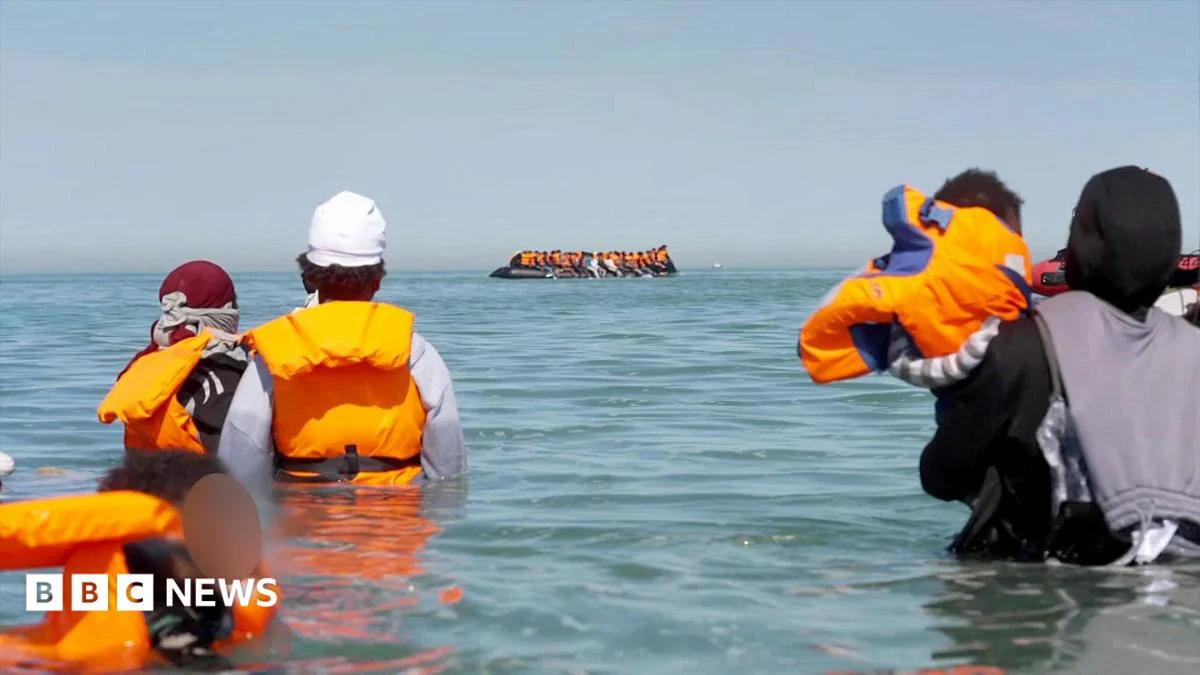
Intensified enforcement measures across the English Channel are compelling transnational criminal organisations to drastically alter their operational tactics, transitioning from numerous small boats to fewer, significantly larger vessels capable of transporting unprecedented numbers of migrants. This strategic pivot, revealed by recent investigations, highlights the evolving cat-and-mouse dynamic between border authorities and sophisticated smuggling networks, raising profound concerns regarding maritime safety and the efficacy of current deterrent strategies. The emergence of these high-capacity craft, dubbed "mega-dinghies," signals a critical escalation in the methods employed by traffickers seeking to circumvent increased coastal patrols and disruptions to their traditional supply chains.
The landscape of illegal migration across the Channel has undergone a notable transformation. For years, the prevailing image was one of small, often overcrowded inflatable boats, typically carrying dozens of individuals. However, a significant reduction in the availability of these smaller vessels, attributed to more effective interdiction on the French coast, has forced criminal enterprises to consolidate their operations. The result is a demonstrable shift towards employing much larger, often purpose-adapted, inflatable boats. Recent weeks have seen instances of these "mega-dinghies" arriving on British shores, most notably a 15-meter vessel carrying a record-breaking 230 individuals. Such incidents have not only generated widespread condemnation from political figures and media outlets but also underscored the novel challenges confronting border agencies.
The tactical adaptation by smuggling gangs is multi-faceted. French authorities report intercepting approximately two-thirds of attempted small boat launches before they can reach the water. This heightened success rate has severely constrained the operational window for traffickers and significantly reduced the supply of readily available, smaller vessels. Consequently, previously rival criminal groups are now reportedly forced into uneasy alliances, pooling resources and coordinating efforts to load larger numbers of migrants onto the fewer, more robust craft they can acquire. This collaboration represents a structural change within the illicit networks, potentially leading to more sophisticated and resilient operations.
The inherent risks associated with these larger vessels are considerable. Packing hundreds of individuals onto a single inflatable boat, often lacking adequate safety equipment or experienced navigation, drastically amplifies the potential for mass casualties. Emergency response teams on both sides of the Channel have expressed grave concerns over the humanitarian implications of such operations. A stark reminder of these dangers occurred recently when 170 individuals had to be rescued after their vessel caught fire mid-Channel. The sheer volume of passengers on these mega-dinghies places immense strain on search and rescue capabilities, further complicating an already hazardous maritime environment, which includes the world’s busiest shipping lanes.
Economic pressures are also a driving factor in this evolving strategy. With fewer opportunities to cross and higher operational risks for the gangs, the price of passage has surged. A year ago, the cost for an individual to make the perilous journey was approximately €1,300. Today, gangs are quoting figures up to €2,000 (£1,700) per person. Furthermore, payment terms have shifted, with traffickers increasingly demanding cash upfront to ensure commitment and mitigate financial losses from intercepted crossings. This escalating cost places an even greater burden on already vulnerable migrants, often forcing them into deeper debt bondage or more desperate measures to secure funds.
Observations from the French coastline reveal a refined, almost ritualistic, operational process for these larger launches. During a recent low-tide period on Gravelines beach, a single "taxi boat" operation unfolded in broad daylight, a marked departure from the traditional clandestine night launches. A dozen migrants, identifiable by their distinctive orange life jackets, emerged from the sand dunes. Instead of a hurried dash, the boarding process was notably orderly, with instructions meticulously followed. The "taxi boat," a small vessel that had strategically departed from a more distant point along the coastline, potentially as far as Belgium, arrived in the calm shallows. This tactic aims to evade initial detection by French patrols, forcing authorities to confront the difficult decision of intervention once migrants are already in the water.
The operational constraints on French law enforcement at this stage are a point of ongoing tension with British authorities. French policy often prevents direct intervention once migrants have entered the water, primarily due to concerns over potential drownings and the safety of all parties involved. This stance is a source of considerable frustration for British counterparts, who advocate for a more flexible, "case-by-case" approach to interdiction. As police officers observed from the shore, the "taxi boat" conducted multiple collections over a three-hour period, systematically ferrying groups of migrants to the larger vessel waiting further out. The boarding became increasingly frantic as the window of opportunity diminished, culminating in a single small boat carrying 82 people finally departing into the Channel. All passengers on this particular voyage successfully reached the UK, typically radioing for assistance upon entering British waters, compelling the coastguard to initiate rescue and transport to shore.
The aftermath on the French beaches often presents a stark contrast of human experience. Alongside holidaymakers casting fishing rods or dogwalkers enjoying the coast, dejected and exhausted migrants, sometimes including small children, are seen wading back to shore after failed attempts. The shift to daytime operations, influenced by increased nighttime police patrols, paradoxically offers gangs a longer operational window for coordinating multiple boardings, despite the increased visibility. Local residents witness this unfolding humanitarian crisis firsthand, describing a sense of living in "two parallel worlds." One woman, playing with her daughter on the beach, articulated the profound guilt and cognitive dissonance of enjoying leisure activities while families grapple with such dire circumstances nearby.
For those migrants unable to secure passage, the wait for another opportunity has significantly lengthened. More robust policing means that what was once a matter of days can now stretch into weeks or even months. Furthermore, successful crossings are highly dependent on favourable weather conditions, specifically winds under 5 knots and waves less than 0.8 meters. To improve their chances of avoiding detection and being closer to a "taxi boat," migrants are increasingly forced to sleep in proximity to the beaches, often in woods or sand dunes, foregoing the basic amenities, food, water, and medical care available at larger, more established camps.
The growing frustration among both migrants and traffickers is palpable. A visit to the largest settlement at Loon-Plage, near Dunkirk, recently escalated into a direct confrontation with people smugglers. The camp itself was under intense pressure; riot police had cleared tents just days prior, and an estimated 400 migrants had been forced to return from a staging area in the Hardelot forest following multiple fires. Amidst this tense atmosphere, two young Egyptian men, visibly disheartened after months of squalid living and multiple failed attempts, recounted how police had stopped them and destroyed their boats. They expressed their desperate desire to reach the UK for work and legal documentation. Similar stories were shared by a young Sudanese woman and an Afghan man, both having attempted the crossing dozens of times. The visible presence of a camera in this environment, reflecting the ongoing scrutiny and pressure on their operations, led to a violent reaction. After an agreement to cease filming, a smuggler, described as approximately 172cm tall and wearing a new grey tracksuit, attempted to seize the camera and then repeatedly threw rocks, striking the cameraman above the eye. This aggressive incident underscores the desperation and volatility within these criminal networks as they grapple with intensified enforcement.
In response to these evolving tactics, the UK and France are reiterating their commitment to collaborative efforts, including measures to increase the number of police officers deployed along the French coast. This renewed focus on interdiction and cooperation coincides with a high-level summit between Prime Minister Andy Burnham and French President Emmanuel Macron, signalling the continued diplomatic importance placed on addressing this complex issue. However, the observed adaptability of smuggling networks, shifting from volume to capacity, suggests that border security agencies face a persistent and dynamic challenge. The humanitarian cost of these "mega-dinghies" – with their increased risk to life and the desperation they reflect – will undoubtedly remain a central concern for policymakers and emergency responders alike, demanding innovative and compassionate solutions in the face of an ever-evolving threat. The strategic pivot by criminal organisations highlights the need for a comprehensive approach that extends beyond simple interdiction, addressing the root causes of migration and the systemic vulnerabilities that enable these dangerous crossings.




 Aura Kasih
 Ayu Aulia

 Safa Marwah