Lisa Mariana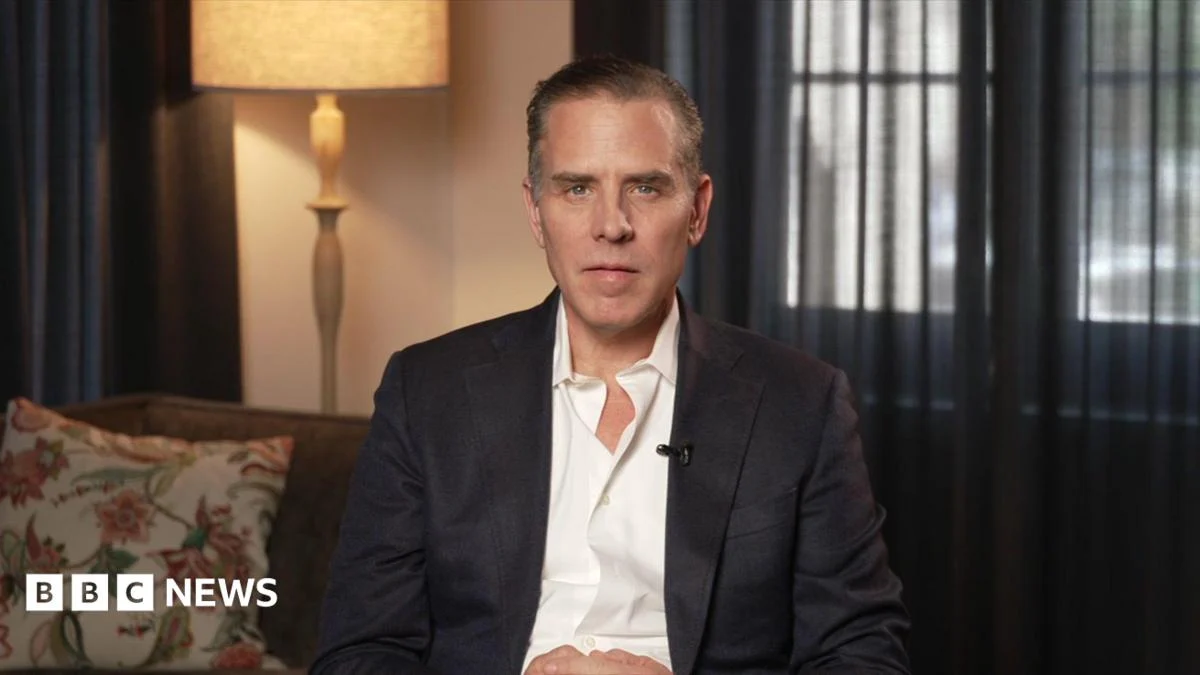
A recent extensive interview with Hunter Biden has illuminated his complex perspective on the controversial presidential clemency he received from his father, former U.S. President Joe Biden, alongside profound revelations concerning his protracted battle with substance dependency and the former president’s deteriorating health. The younger Biden articulated a deep sense of personal gratitude for the pardon, while simultaneously acknowledging its inherent political and constitutional complexities, conceding that the decision likely did not serve the broader interests of the American populace or enhance his father’s historical standing.
The executive grant of clemency, bestowed in December 2024, absolved Hunter Biden of a federal firearms conviction and a series of tax-related charges to which he had previously entered a plea, further encompassing any federal offenses committed between 2014 and 2024. This action, taken despite former President Biden’s prior assurances that he would not leverage his presidential authority to influence his son’s legal predicaments, ignited a firestorm of criticism across the political spectrum. In announcing the pardon, the former president defended his son, asserting that he had been "selectively and unfairly prosecuted"—a claim that resonated with supporters but drew sharp condemnation from political opponents who perceived it as an abuse of executive power and a direct affront to the principle of equal justice under the law.
Hunter Biden, reflecting on the exceptional nature of his situation, described himself as "the most privileged person there is" in the context of receiving such a pardon. He underscored the unparalleled circumstance: "I was the only one in the world that could have gotten what I got from the only person in the world who could give it, my father." This statement encapsulates the profound moral and ethical quandary inherent in the act. While recognizing the widespread criticism, he posed a rhetorical question regarding the public’s hypothetical reaction had his father withheld clemency, implying a filial duty that superseded conventional political considerations. He admitted the pardon was "easily criticised and for good reason," and "not fair," yet expressed an overwhelming sense of gratitude. The younger Biden further contended that his father’s ultimate motivation was a paternal instinct to shield him from potential political weaponization by an incoming administration, specifically citing concerns about former President Donald Trump’s prospective actions. Crucially, he maintained that no discussions regarding a pardon ever transpired between him and his father prior to its issuance, asserting that such a dialogue would have inevitably become public knowledge.
The exercise of presidential pardon power is a deeply entrenched constitutional prerogative, designed to offer a mechanism for mercy and, in some instances, to correct perceived injustices. Historically, presidents have wielded this authority for a myriad of reasons, from recognizing wartime service to addressing controversial convictions. However, pardons granted to immediate family members are exceedingly rare and almost universally invite intense scrutiny, raising legitimate questions about conflicts of interest and the integrity of the justice system. While not unprecedented—past presidents have pardoned or commuted sentences for relatives, albeit under different circumstances and often with significant political blowback—the Hunter Biden pardon stands out due to the political climate, the nature of the charges, and the former president’s prior public commitments. Critics argue that even the appearance of preferential treatment undermines public trust in governmental institutions and fuels narratives of a two-tiered justice system. Conversely, proponents often invoke the deeply human aspect of familial loyalty, suggesting that a parent’s instinct to protect their child, even one who has erred, is a powerful and understandable driver of action, regardless of the political fallout.
Beyond the legal and political ramifications of the pardon, Hunter Biden provided a stark and unvarnished account of his descent into severe substance addiction. He detailed a harrowing period during which his daily consumption escalated to nearly a gallon of vodka, alongside the near-constant use of crack cocaine, describing it as "hell on earth" with "nothing glamorous about it." This candid disclosure offers a rare glimpse into the devastating reality of addiction, particularly for individuals living under intense public scrutiny. He refuted the notion that his privileged background as the son of a prominent politician fostered a sense of invincibility, instead characterizing his drug use as an escape—a desperate search for "oblivion" to quell profound feelings of anxiety and isolation. Initially perceived as a solution to his internal turmoil, the substances ultimately became "the thing that almost killed me."
Hunter Biden’s narrative aligns with broader public health understandings of addiction as a complex disease, not merely a moral failing. His description of using substances to escape anxiety and isolation resonates with the experiences of countless individuals grappling with mental health challenges that often co-occur with substance use disorders. In a nation grappling with an ongoing opioid crisis and widespread issues of substance abuse, his public sharing contributes to destigmatizing addiction and humanizing those who battle it. His expressed desire to assist others in their recovery journey underscores a common trajectory for individuals who emerge from such profound struggles: transforming personal suffering into a platform for advocacy and support. The unique pressure of being a president’s son, with every misstep amplified by media and political adversaries, undoubtedly added an extraordinary layer of complexity to his personal battle, making his path to recovery all the more challenging and his public testimony all the more poignant.
The interview also offered deeply personal insights into the health of former President Joe Biden, revealing a profound emotional toll on his son. Hunter Biden became visibly distressed when discussing his father’s condition, stating, "Cancer is really hard… It’s really sad to watch." He then disclosed that the former president’s cancer had "spread, metastasized into his bones and further," describing it as "very painful" and "very debilitating." This revelation provides a stark human dimension to the former president’s public image, often dominated by political discourse and policy debates. Despite his father’s significant health struggles, Hunter Biden lauded him as "the best father, the best husband, the best grandfather," emphasizing his continued role as "the centre of our family." A touching detail was his wish that his father "would complain more," hinting at the former president’s stoicism in the face of immense personal adversity.
The public’s understanding of a leader’s health, particularly a former head of state, carries significant weight, influencing historical assessments and shaping public empathy. While specific details of the former president’s health had been periodically disclosed, this candid and emotional update from his son painted a much more vivid and somber picture. Such personal insights often serve to humanize political figures, reminding the public of the private struggles that exist beneath the public persona.
Further reflecting on a pivotal moment in recent political history, Hunter Biden recounted his experience watching the June 2024 presidential debate that ultimately marked the effective end of his father’s re-election campaign. Observing from his California residence, he immediately sensed a profound issue with his father’s performance. "I was shocked," he stated, adding, "I knew something was wrong." This sentiment echoed widespread public and media reactions at the time, as the former president’s debate performance was widely perceived as faltering, raising significant concerns about his age and cognitive acuity, which subsequently contributed to his decision not to seek re-election. Hunter Biden’s personal recollection underscores the immediate and palpable impact of that event, not only on the political landscape but also on those closest to the former president.
Hunter Biden also briefly touched upon his future aspirations, explicitly ruling out any pursuit of elected office. This decision, while perhaps unsurprising given the intense public scrutiny and personal challenges he has faced, signifies a likely pivot away from a direct political career, allowing him to potentially focus on other avenues, such as his stated desire to assist others in recovery.
The comprehensive revelations from this interview collectively offer a multifaceted portrait of a political scion grappling with the complex interplay of personal struggles, familial loyalty, and public accountability. Hunter Biden’s defense of his pardon, while acknowledging its controversial nature, highlights the unique ethical tightrope walked by presidential families. His raw account of addiction serves as a powerful testament to the universal nature of such battles, irrespective of social standing. Finally, his emotional disclosures regarding his father’s health and the impact of the 2024 debate add a deeply personal layer to the public narrative of a former president, underscoring the profound human elements that often underlie even the most significant political events. This unvarnished account invites a deeper consideration of the personal costs and complex decisions inherent in the lives of those intertwined with the highest echelons of power.


 Aura Kasih
 Safa Marwah
 Ayu Aulia