Safa Marwah
A sophisticated Android malware variant, dubbed "ToxicPanda 2.0," has emerged with alarming new capabilities, marking a significant escalation in mobile threat landscapes. This advanced iteration now exploits virtual private network (VPN) service permissions to establish a local network interface, granting it unprecedented control over a device’s internet traffic. This strategic maneuver enables the malware to systematically disrupt communications with critical security infrastructure, including Google Play and Google Play Services, thereby neutralizing vital protective mechanisms and paving the way for extensive data exfiltration and device compromise.
The evolution of ToxicPanda represents a concerning trend in mobile malware development, where threat actors increasingly mimic legitimate system functionalities to evade detection and entrench themselves deep within compromised devices. The malware’s expanded targeting footprint now encompasses 349 distinct applications, predominantly within the banking, financial, cryptocurrency, and e-wallet sectors across 16 countries. Its operational flexibility is further enhanced by support for 167 diverse remote commands, underscoring a highly adaptive and potent threat.
The Strategic Deception: VPN Permission Abuse
The most notable new feature in ToxicPanda 2.0 is its insidious abuse of Android’s VPN service permissions. By masquerading as a legitimate VPN, the malware can create a local network interface, effectively rerouting and inspecting all network traffic passing through the device. This capability grants the attackers a powerful vantage point, allowing them to selectively block, monitor, or manipulate network communications.
The primary objective of this VPN-centric approach is to sever the device’s connection to Google’s robust security ecosystem. Specifically, ToxicPanda 2.0 targets Google Play and Google Play Services, which are integral to Android’s security posture. By blocking these communications, the malware can bypass several crucial security checks:

- App Verification: Preventing Google Play Protect from scanning and verifying the integrity of installed applications.
- Security Updates: Halting the delivery of critical security patches and updates for both the operating system and installed applications.
- Play Protect Communication: Disabling the real-time threat detection and remediation capabilities offered by Google Play Protect, rendering the device vulnerable to known and emerging threats.
- Legitimate Disruptions: Circumventing any protective measures Google might implement to flag or disable malicious applications once they are identified.
This network-level control is a game-changer for malware operators. It allows them to operate in a hostile environment with significantly reduced risk of detection or remediation by platform-level defenses. Once the VPN permission is secured, ToxicPanda 2.0 proceeds to extract and install its malicious payload, often immediately followed by a request for Accessibility Service permissions – another highly privileged access point crucial for its nefarious activities.
Multi-faceted Infiltration and Persistence
The distribution mechanism for ToxicPanda 2.0 has been identified as Amazon AWS-hosted buckets. This choice of infrastructure offers several advantages to threat actors, including high availability, global reach, and the inherent trust associated with legitimate cloud services, making it harder for users to discern malicious downloads from benign ones. This method also complicates blocking efforts, as legitimate AWS infrastructure cannot simply be blacklisted.
Beyond its VPN and network manipulation, the malware exhibits a sophisticated array of techniques for data theft and maintaining persistence:
-
Accessibility Service Exploitation: After gaining VPN control, ToxicPanda leverages Accessibility Services. This permission, designed to assist users with disabilities, is a common target for malware as it allows programmatic interaction with the user interface, including reading screen content, simulating touch inputs, and manipulating settings without explicit user consent for each action. This is critical for its subsequent actions, such as enabling Developer Options and Wireless Debugging.

-
Advanced Phishing Overlays: ToxicPanda 2.0 employs highly convincing phishing overlays for hundreds of financial and cryptocurrency applications. These overlays are designed to appear identical to legitimate login screens, tricking users into entering their credentials directly into the malware’s control. A particularly stealthy aspect highlighted by researchers is that these overlays are "invisible to the victim," allowing the malware to capture touch inputs on legitimate apps without displaying a fake screen, making detection by the user virtually impossible.
-
Dedicated PIN Harvesting Module: The malware includes a distinct module specifically designed for harvesting PINs. This module targets an additional 140 financial and cryptocurrency applications and, critically, can dynamically update its target list. This adaptability allows the attackers to quickly pivot to new targets or adjust to changes in existing applications, ensuring a continuous stream of sensitive data.
-
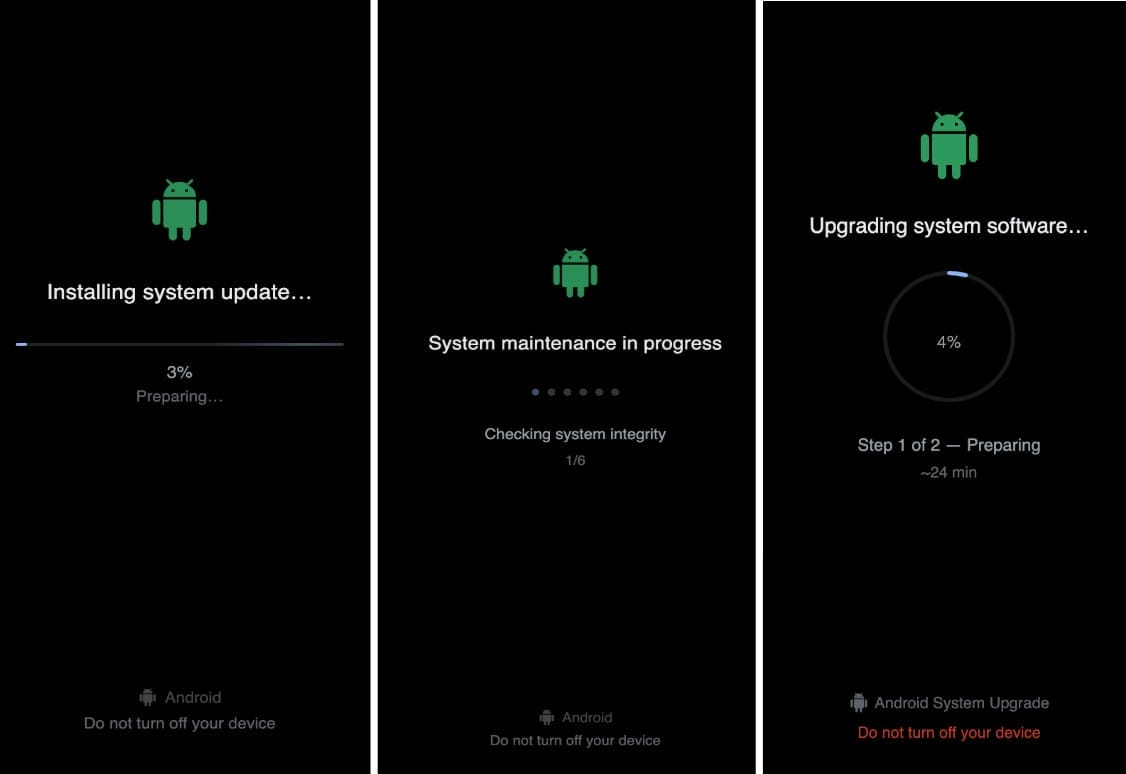
Lock Screen and System Spoofing: To capture device-level access, ToxicPanda spoofs the Android lock screen. This enables it to intercept device PINs, unlocking patterns, and passwords, granting attackers full access to the compromised device. Furthermore, some samples observed utilized fake system update screens. These deceptive overlays not only serve as a distraction to conceal ongoing malicious activities but also act as a social engineering tactic to keep the device active and connected while data is being exfiltrated or further malicious modules are deployed.
-
OEM-Specific Persistence: A highly advanced feature is the
autoBootcommand. This command is designed to identify the host device’s manufacturer and then launch the corresponding OEM-specific auto-start or power management settings. This sophisticated technique bypasses aggressive battery consumption protections implemented by manufacturers like Xiaomi, OPPO, Vivo, Samsung, and Huawei, which typically kill background processes to conserve power. By ensuring its processes are whitelisted or configured for auto-start, ToxicPanda achieves robust persistence, guaranteeing its malicious operations continue even after device reboots or during periods of inactivity. This highlights an in-depth understanding of the Android ecosystem’s fragmentation and OEM-specific customizations by the threat actors.
The Peril of ADB Automation: A New Frontier in Exploitation
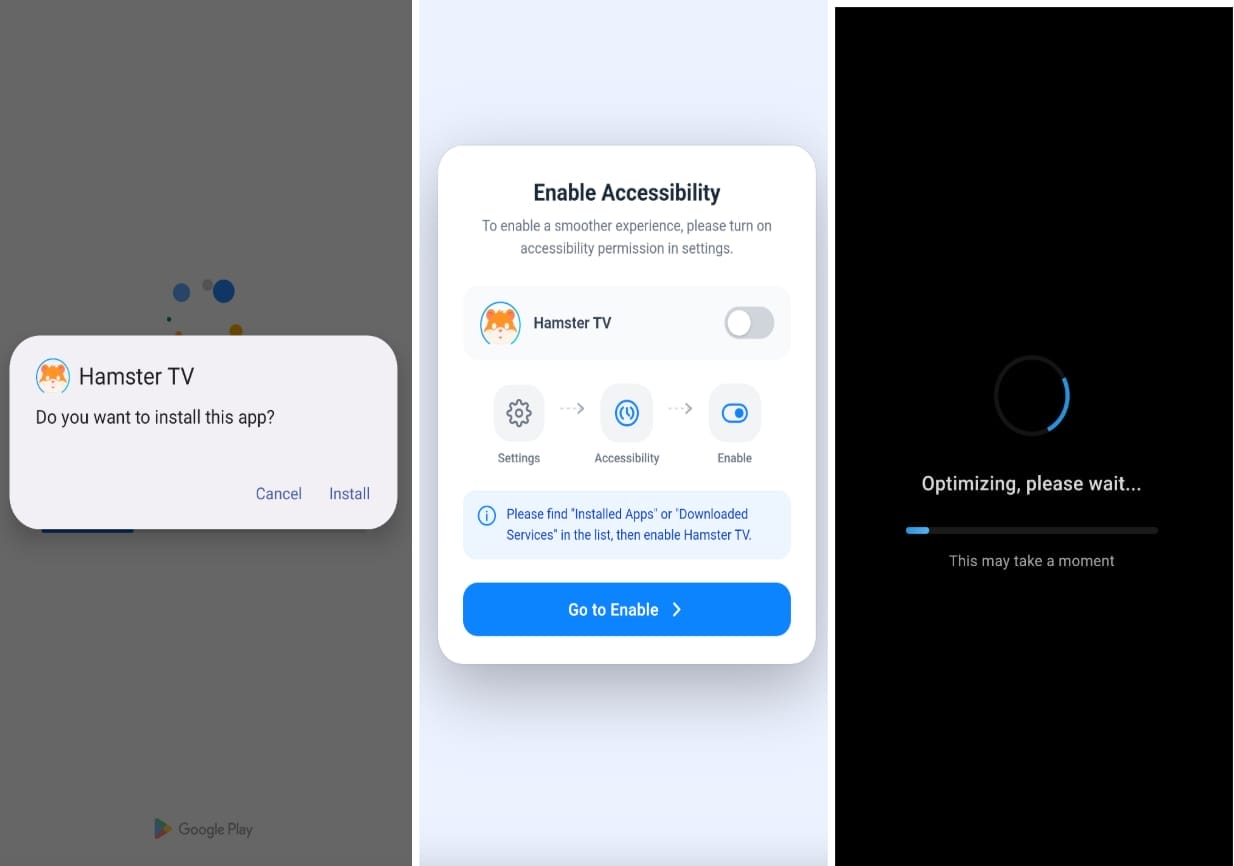
Perhaps the most technically alarming innovation in ToxicPanda 2.0 is its automated abuse of the Android Debug Bridge (ADB). ADB is a versatile command-line tool that allows developers to communicate with an Android device, executing shell commands for debugging and development purposes. With the introduction of Wireless ADB in Android 11, this powerful access can now be established over Wi-Fi without a physical USB connection.
ToxicPanda leverages its Accessibility Services permission to orchestrate the following sequence:
- Enabling Developer Options: The malware programmatically navigates through the device settings to enable Developer Options, a prerequisite for ADB.
- Activating Wireless Debugging: Within Developer Options, it then activates Wireless Debugging.
- Extracting Pairing Information: The malware extracts the necessary six-digit ADB pairing code and the local port number.
- Self-Connection: Critically, the malware then uses this information to connect with the device’s own local ADB service.
Once this connection is established, the malware gains "shell user permissions." This level of access is akin to having administrative control over the device’s underlying operating system. With shell access, ToxicPanda can execute high-privilege commands directly through the ADB daemon, bypassing standard Android runtime consent prompts. This allows it to:
- Grant itself broad permissions without user interaction.
- Neutralize OS background restrictions, preventing its processes from being terminated.
- Silently enable critical system components.
- Enforce robust persistence mechanisms.
This automated ADB exploitation represents a significant shift in Android malware capabilities. Traditionally, ADB abuse required physical access or a user to explicitly enable and authorize the connection. By automating this process using existing permissions, ToxicPanda essentially "rootkits" the device without requiring actual root privileges, achieving a deep level of control that is incredibly difficult to detect or remove.
This trend is not isolated to ToxicPanda. Other prominent Android malware families, such as RedHook, have also been observed implementing similar Wireless ADB exploitation mechanisms. This indicates a growing recognition among threat actors of ADB’s potential as a powerful vector for device compromise and persistent control, suggesting it will become a more common feature in future mobile malware.
Mitigation and Defensive Imperatives
The emergence of ToxicPanda 2.0 underscores the critical need for a multi-layered security approach for Android users and enterprises alike.
- User Vigilance: Users must exercise extreme caution when downloading applications, even if they appear to be hosted on legitimate platforms or cloud services. Relying solely on official app stores, scrutinizing requested permissions, and being wary of unsolicited links or downloads are foundational best practices.
- Mobile Threat Defense (MTD) Solutions: For both individuals and organizations, robust MTD solutions are no longer optional. These tools can detect suspicious app behaviors, identify malicious network traffic patterns (like the VPN spoofing), and flag unusual system changes, such as the activation of Developer Options or Wireless Debugging.
- Regular Updates: Keeping the Android operating system and all installed applications updated is crucial. While ToxicPanda attempts to block Google Play updates, a device that is already up-to-date has fewer known vulnerabilities for malware to exploit.
- Permission Scrutiny: Users should regularly review the permissions granted to installed applications and revoke any that seem excessive or unnecessary for an app’s stated functionality.
- Security Awareness Training: For enterprises, continuous security awareness training is paramount to educate employees about social engineering tactics, phishing attempts, and the dangers of sideloading applications.
- Network Monitoring and Anomaly Detection: Organizations should implement advanced network monitoring capabilities to detect unusual traffic patterns originating from mobile devices, such as attempts to block Google services or communicate with known command-and-control servers.
Future Outlook
The sophistication displayed by ToxicPanda 2.0, particularly its innovative use of VPN permissions and automated ADB exploitation, sets a new benchmark for Android malware. This evolution suggests a future where mobile threats will increasingly leverage legitimate system functionalities in novel ways to circumvent traditional security measures. Threat actors will likely continue to invest in understanding the intricacies of the Android operating system, its diverse OEM implementations, and the behavior of mobile security solutions to develop even more elusive and persistent threats.
The ongoing arms race between malware developers and security researchers necessitates continuous innovation in defensive strategies, proactive threat intelligence sharing, and a steadfast commitment to user education. ToxicPanda 2.0 serves as a stark reminder that the mobile landscape remains a high-stakes battleground, demanding unwavering vigilance and robust security postures from all stakeholders.




 Lisa Mariana
 Aura Kasih
 Ayu Aulia