Safa Marwah
A series of critical system disruptions, manifesting as game crashes, launch failures, and unexpected reboots, affecting a significant segment of the Windows gaming community, has been tentatively attributed by Microsoft to specific drivers associated with widely adopted RGB lighting peripherals. The technology giant’s ongoing investigation suggests that components facilitating customizable lighting effects on various gaming hardware may be at the root of compatibility conflicts arising after the deployment of recent Windows 11 updates, specifically versions 24H2 and 25H2, released in August 2026. This emergent issue has impacted a diverse range of titles, including prominent releases such as ARC Raiders, MARVEL TÅkon: Fighting Souls, and The Finals, prompting urgent analysis from both operating system developers and game studios.
The convergence of advanced gaming hardware and sophisticated operating systems has consistently presented a complex environment for maintaining stability and performance. In recent years, the integration of customizable RGB (Red, Green, Blue) lighting has become a pervasive aesthetic and functional element across the PC gaming landscape. From keyboards and mice to internal chassis components like fans, RAM modules, and graphics card backplates, RGB illumination offers users unparalleled personalization. However, the control of these intricate lighting schemes often necessitates specialized drivers and software applications that operate at a low level within the Windows kernel, allowing for direct hardware interaction. This deep system integration, while enabling rich user experiences, also introduces potential vectors for conflict with core operating system functions, especially following significant updates that may alter kernel behavior or security protocols. The August 2026 Windows updates (KB5121003 and subsequent iterations) appear to have exposed such a vulnerability, leading to an unprecedented wave of gaming-related system failures.
Users encountering these issues have reported a spectrum of detrimental effects. Beyond outright game launch failures, players have experienced abrupt application closures, severe in-game freezes, and the appearance of critical system errors, most notably "EXCEPTION_ACCESS_VIOLATION." In more severe cases, the instability has escalated to unexpected system restarts, indicative of fundamental conflicts within the operating system’s core processes. Such symptoms point towards deep-seated driver incompatibilities or memory management errors, often triggered when a game attempts to interact with system resources that are simultaneously being accessed or controlled by conflicting third-party drivers.
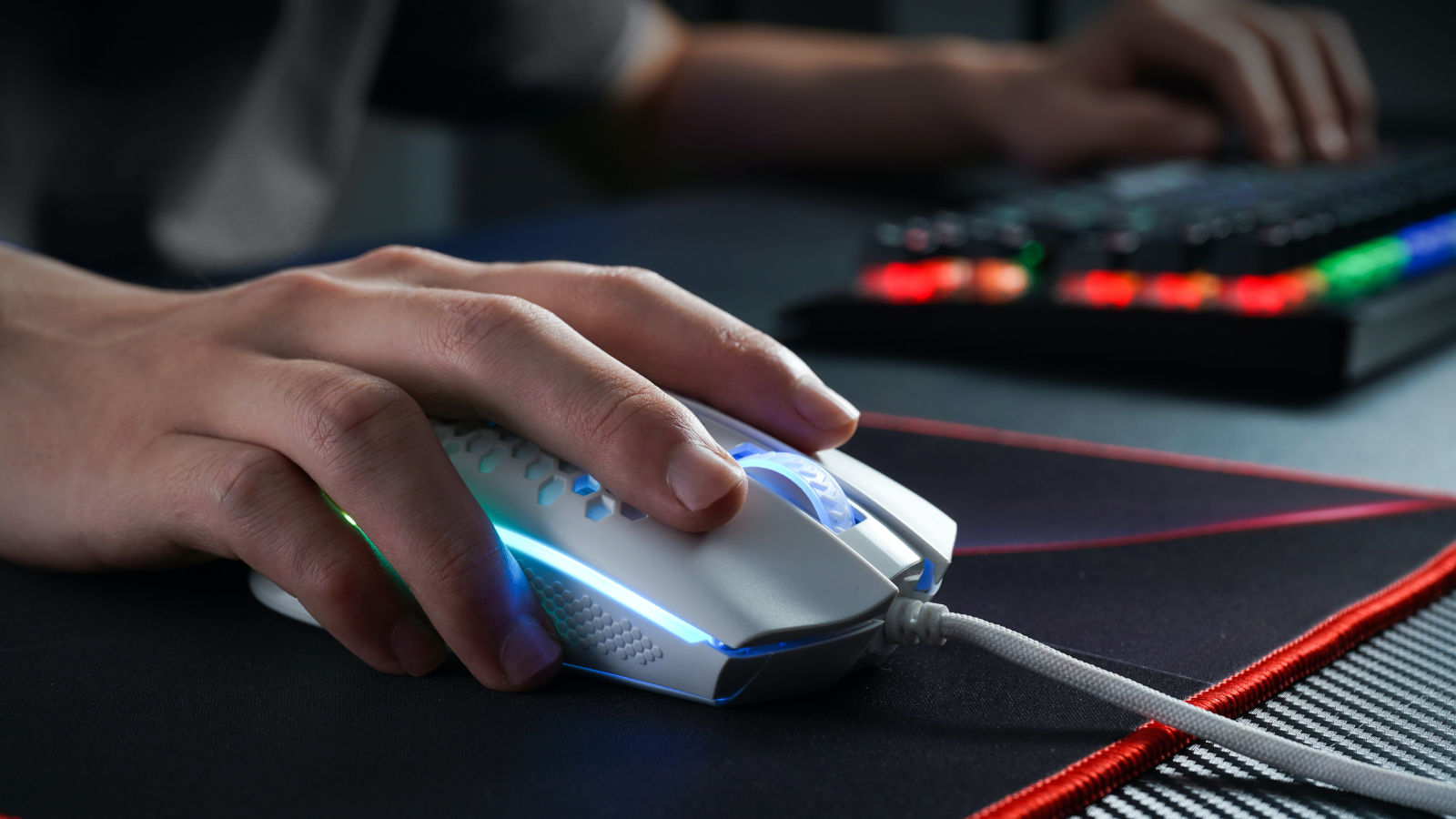
Microsoft’s initial response, disseminated via its Windows release health dashboard, acknowledged the reports and confirmed an active investigation. The subsequent update provided a crucial preliminary diagnosis: "Ongoing investigation indicates that this issue is related to peripherals or internal device components which have RGB lighting features. Such devices may install drivers or code components with file names similar to inpoutx64. In systems where these drivers are found, the issue is then triggered by launching certain games." This statement pinpoints inpoutx64.sys as a potential common denominator. The inpoutx64.sys driver is a known component often utilized by various hardware control utilities, including some for RGB lighting, to directly access I/O ports and hardware registers. While legitimate, its low-level access privileges mean that any incompatibility or malfunction can have cascading effects across the system, particularly when interacting with the heightened resource demands and specific API calls made by modern video games. The current challenge for Microsoft involves meticulously dissecting the precise interaction between these RGB components, their associated drivers, and the game environments that precipitate the crashes, a task complicated by the vast diversity of hardware configurations in the Windows ecosystem.
Further corroboration and practical insight into the issue have emerged from the game development community. Embark Studios, the creative force behind titles like ARC Raiders and The Finals, proactively addressed the problem, identifying inpoutx64.sys as the culprit from their perspective. Their analysis suggests that the August Windows update introduced changes to the Windows kernel driver model, which in turn exposed pre-existing vulnerabilities or incompatibilities within the inpoutx64.sys file. This highlights a critical tension: operating system updates are designed to enhance security, performance, and functionality, but these changes can inadvertently break compatibility with older or less rigorously maintained third-party drivers that rely on specific, potentially deprecated, kernel interfaces.
In the absence of an immediate official patch from Microsoft, Embark Studios provided a temporary, multi-step workaround for affected players. This unofficial solution involves manually deleting the problematic service and removing the inpoutx64 file from the Windows drivers directory. While such workarounds can offer immediate relief, they underscore the precarious nature of the situation. Users attempting manual driver manipulation face inherent risks, including potential system instability if the steps are not followed precisely, or the loss of functionality for the RGB devices themselves. Furthermore, this approach is a stopgap, not a permanent resolution, emphasizing the urgent need for a robust, officially supported fix that addresses the root cause of the driver conflict.
This incident is not an isolated occurrence but rather the latest in a recurring pattern of Windows updates introducing or exacerbating gaming-related performance and stability issues. In October 2024, Microsoft found it necessary to implement blocks on Windows 24H2 upgrades for systems experiencing crashes with titles like Asphalt 8 and blue screen errors related to Easy Anti-Cheat. Similarly, in January 2025, a compatibility hold was lifted only after a bug within the Auto HDR Windows feature, which was causing game freezes on Windows 11 24H2 devices, was resolved. Earlier last year, several upgrade blocks were put in place to prevent issues for players of Asphalt 8: Airborne, Assassin’s Creed, Star Wars Outlaws, and Avatar: Frontiers of Pandora, preventing them from updating to the latest Windows version until fixes were deployed. These precedents illustrate the inherent challenges in maintaining a stable and performant gaming environment across an operating system with billions of users and an almost infinite combination of hardware and software.
The implications of such widespread gaming instability extend beyond mere user frustration. For game developers and publishers, these issues translate into decreased player engagement, negative reviews, and significant resource allocation towards troubleshooting and communicating with their player base. Trust in operating system updates can erode, leading users to defer critical security and feature updates, which carries its own set of risks. The economic impact on the gaming industry, a multi-billion-dollar sector, can be substantial, particularly for competitive online titles where even minor disruptions can severely impact player experience and community health.
From an analytical perspective, this situation underscores the critical need for enhanced collaboration and standardization within the PC ecosystem. Microsoft’s role in providing a stable platform is paramount, but the proliferation of highly customized, low-level drivers from numerous third-party hardware manufacturers presents an ongoing challenge. The incident may prompt Microsoft to reconsider or strengthen its Windows Hardware Quality Labs (WHQL) certification process, particularly for drivers that operate at the kernel level. Stricter validation and compatibility testing, possibly involving simulated update scenarios, could help proactively identify and mitigate such conflicts before they reach the general public. Furthermore, the development of more standardized APIs or frameworks for peripheral control, including RGB lighting, could reduce the reliance on proprietary, potentially fragile, kernel-mode drivers, thereby enhancing system stability and reducing fragmentation.
Looking ahead, the resolution of this issue will likely involve either a targeted patch from Microsoft that adjusts kernel behavior to accommodate existing RGB drivers, or updated drivers from the RGB hardware manufacturers themselves that are specifically designed to be compatible with the August 2026 Windows updates. For end-users, the immediate recommendation remains to monitor official Microsoft channels and the support pages of their RGB hardware manufacturers and preferred game developers for definitive solutions. Until an official fix is deployed, caution is advised regarding manual system modifications, and users might consider temporarily disabling or uninstalling RGB control software if they are experiencing severe gaming instability. The recurring nature of these conflicts highlights the continuous tension between rapid software development cycles, the immense diversity of PC hardware, and the imperative for a seamless, stable gaming experience on the world’s most popular desktop operating system.




 Lisa Mariana
 Aura Kasih
 Ayu Aulia