Aura Kasih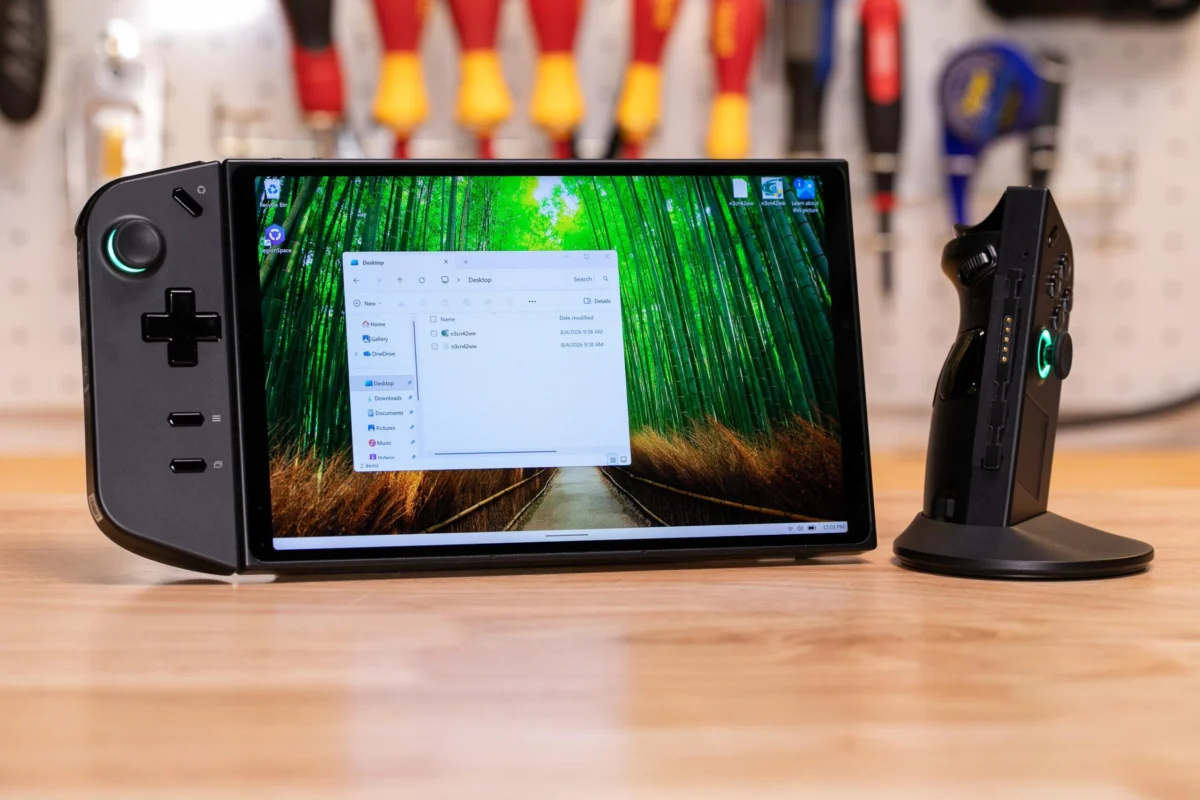
A recent wave of alarming reports from the gaming community has prompted Lenovo to acknowledge critical issues affecting its Legion Go handheld gaming PCs, specifically following the deployment of a BIOS update. Gamers have detailed instances where their devices have become entirely unresponsive, colloquially termed "bricked," after attempting to install the N3CN42WW BIOS version, leading to significant distress and financial concerns for affected users.
The situation has escalated over the past three weeks, with a growing number of owners taking to online forums, most notably Reddit, to share their experiences. These accounts range from complete device failure to exorbitant repair costs, with one user reportedly facing a nearly $300 bill to revive their bricked Legion Go. This has ignited a critical discussion about corporate responsibility and consumer protection when software updates inadvertently render expensive hardware unusable.
Lenovo’s official statement, disseminated through communications director Jeff Witt, confirms awareness of the problem. The company states that the problematic BIOS version, V42, was not distributed through standard Windows Update or the Legion Space platform. This suggests a potential manual installation by users directly from Lenovo’s support website. Lenovo has since removed the update from its support portal while conducting further validation processes. For users who have successfully installed V42, the company asserts no immediate action is required.

However, for those experiencing a blank screen during the V42 installation, Lenovo offers a preliminary troubleshooting step: pressing and holding the power button for approximately 10 seconds, followed by a one-minute wait before attempting to power the device back on. If this fails to restore functionality, users are directed to contact Lenovo Support for further assistance. The company has pledged to continue its evaluation and validation of future BIOS updates for the Legion Go to prevent recurrence.
Adding a layer of complexity to the situation, an employee identified as "Daniel_Legion" on the official Lenovo forums reportedly commented that devices bricked by the update "should be repaired free of charge" if they are still under warranty. The statement further suggested that out-of-warranty devices should also be repaired at no cost, with a caveat to "please check local laws." This ambiguous guidance, particularly the reference to local laws for out-of-warranty repairs, has left many consumers seeking clearer assurances from Lenovo regarding its commitment to rectifying the situation for all affected parties, regardless of their device’s warranty status. The lack of extensive posting history from this specific forum user raises questions about the official capacity and finality of this statement, prompting further inquiries into Lenovo’s comprehensive warranty policy for software-induced hardware failures.
It is crucial to understand the specific context of this issue. The vulnerability appears to be limited to the original Legion Go 8APU1 models. Newer iterations, such as the Legion Go S or an anticipated Legion Go 2, are not implicated. The critical factor was the manual download and installation of BIOS version N3CN42WW from Lenovo’s website during the period it was available, roughly two months before it was withdrawn. Even within this group, not all devices have succumbed to the failure. Anecdotal evidence suggests that the issue may be intermittent or dependent on specific hardware configurations or system states. One reviewer, for instance, reported successfully installing the very BIOS update that has caused widespread concern on their own Legion Go unit without any adverse effects, experiencing only a prolonged boot sequence followed by normal operation. This inconsistency in manifestation hints at a complex interplay of factors, potentially involving specific component variations within different production batches or unique environmental circumstances that trigger the failure.
Lenovo’s internal investigation, as alluded to by Daniel_Legion, has encountered challenges in consistently replicating the problem. While one European testing team was able to reproduce the bricking effect on three out of three tested devices, other teams have been unable to trigger the failure. This discrepancy suggests that the root cause is likely not a universal software bug but rather a more nuanced issue, possibly related to specific component tolerances on motherboards within certain manufacturing batches, or the necessity of a precise sequence of events for the failure to occur. This complexity underscores the difficulty in deploying a blanket fix and highlights the need for thorough diagnostics to identify individual hardware or software conflicts.

The broader implications of such incidents extend beyond the immediate financial and functional impact on consumers. They raise fundamental questions about the reliability of firmware updates in complex computing devices, particularly those with advanced features and customization options like handheld gaming PCs. The user experience is paramount, and a single, catastrophic software deployment can erode trust and brand loyalty. For companies like Lenovo, which are vying for a significant share in the competitive portable gaming market, maintaining a reputation for stability and customer support is critical. The comparison to Framework, a company known for its modular approach and commitment to user repairability, including offering free solutions for their own BIOS-induced bricking incidents, sets a benchmark for industry best practices in handling such crises.
The delay in a definitive and universally reassuring response from Lenovo has amplified user anxiety. While the company has now acknowledged the issue and provided initial troubleshooting steps, the lingering ambiguity surrounding out-of-warranty repairs and the inconsistent replication of the problem leave many consumers in a state of uncertainty. The digital age demands transparency and proactive communication, especially when high-value consumer electronics are involved. A clear, unequivocal commitment to resolving the issue for all affected users, irrespective of their warranty status, would significantly bolster confidence and mitigate long-term reputational damage.
The technical challenge Lenovo faces in pinpointing the exact cause of the Legion Go bricking is considerable. The interaction between BIOS, operating system, drivers, and specific hardware components in a portable device like the Legion Go is intricate. A BIOS update, while intended to optimize performance and security, can inadvertently introduce incompatibilities if not rigorously tested against the diverse range of hardware configurations that exist in the field. The fact that the problematic update was not disseminated through automatic channels suggests a deliberate manual intervention by users, which, while offering flexibility, also shifts some of the risk to the consumer. However, the onus of ensuring the safety and reliability of distributed software updates ultimately rests with the manufacturer.
Moving forward, Lenovo faces the task of not only resolving the current crisis but also reinforcing its update deployment protocols. This may involve implementing more stringent pre-release testing phases, possibly including wider beta testing programs with a diverse user base, and developing more robust rollback mechanisms for problematic updates. Furthermore, clear and accessible communication channels for reporting and addressing software-related hardware failures are essential. The gaming community is highly interconnected and vocal, and swift, decisive action coupled with transparent communication is key to navigating such challenging situations. The resolution of the Legion Go bricking incidents will undoubtedly serve as a case study in corporate responsibility and customer support within the rapidly evolving landscape of portable computing. The industry watches to see how Lenovo will ultimately address the financial and trust implications stemming from this widespread technical failure.



 Lisa Mariana
 Safa Marwah
 Ayu Aulia