
 Ayu Aulia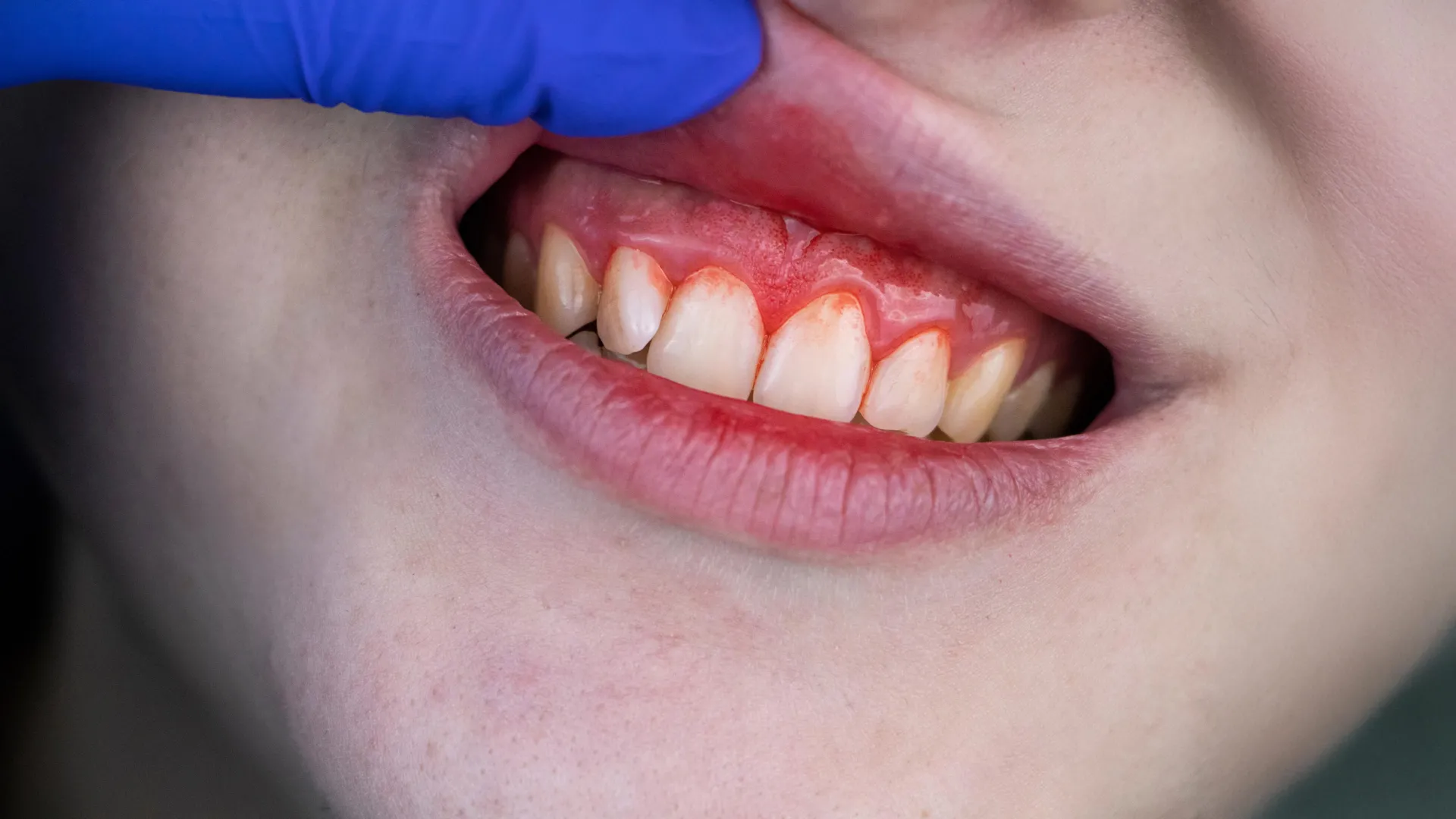
A groundbreaking year-long clinical investigation has revealed that a therapeutic regimen combining omega-3 fatty acids with low-dose acetylsalicylic acid (ASA) demonstrated efficacy comparable to conventional antibiotic protocols in managing severe periodontitis, presenting a significant potential alternative for patient care.
Periodontitis, a pervasive chronic inflammatory condition, represents a substantial global health burden, affecting millions worldwide. Characterized by bacterial accumulation beneath the gumline, it triggers an immune response that, if unchecked, leads to the progressive destruction of supporting tissues and bone around teeth. Advanced stages of the disease can result in tooth mobility, eventual tooth loss, and have been linked to systemic health issues such as cardiovascular disease and diabetes. Current standard treatment typically involves mechanical removal of bacterial deposits (scaling and root planing), often supplemented with systemic antibiotics in severe cases to suppress pathogenic bacteria. However, the escalating crisis of antimicrobial resistance (AMR) has intensified the search for effective non-antibiotic interventions.
This imperative motivated a collaborative research effort involving institutions such as Albert Einstein Israelite Hospital, Guarulhos University (UNG), the University of Taubaté (UNITAU), and the Ribeirão Preto School of Dentistry at USP (FORP-USP) in Brazil, alongside Harvard University in the United States. Their comprehensive findings, recently published in the esteemed Journal of Periodontology, illuminate a promising new pathway for periodontal therapy.
Understanding the Challenge: Severe Periodontitis
Patients afflicted with severe periodontitis confront a particularly challenging clinical scenario. The disease creates deep periodontal pockets—abnormal spaces between the tooth and gum—that serve as persistent reservoirs for highly pathogenic bacteria. These pockets are difficult to access and decontaminate, perpetuating the inflammatory cycle and accelerating tissue damage. The inflammatory response itself, while initially protective, can become dysregulated, contributing to the very destruction it aims to prevent. Effective treatment requires not only bacterial reduction but also the modulation of this destructive inflammatory cascade.
Historically, systemic antibiotics like metronidazole and amoxicillin have been employed in conjunction with mechanical debridement for advanced cases, owing to their demonstrated ability to reduce bacterial load and improve clinical outcomes. Yet, the judicious use of these powerful drugs is increasingly scrutinized. "The use of antibiotics isn’t considered the gold standard of treatment for all cases," explains dental surgeon Nídia Cristina Castro dos Santos, a leading author of the study and a professor and researcher at Einstein. "Although metronidazole and amoxicillin yield good results in the most severe cases, their use should be evaluated on a case-by-case basis due to risks related to bacterial resistance and possible adverse effects." This critical perspective underscores the urgent need for viable alternatives that can mitigate reliance on antibiotics without compromising therapeutic efficacy.
Rigorous Clinical Investigation: A Four-Arm Approach
The clinical study, supported by FAPESP, enrolled 109 individuals diagnosed with advanced periodontitis. Participants were carefully selected to ensure homogeneity, primarily excluding those with significant systemic or other oral diseases, thereby allowing for a focused assessment of the interventions’ effects. Over a period of one year, these patients underwent a meticulously designed randomized controlled trial comparing four distinct treatment strategies.
Every participant initially received subgingival instrumentation, commonly known as scaling and root planing. This foundational procedure involves the thorough removal of bacterial plaque, calculus (hardened plaque), and toxins from below the gumline and root surfaces, effectively disrupting the biofilm responsible for initiating and perpetuating the disease. This standard mechanical debridement forms the bedrock of periodontal therapy.
Beyond this universal initial treatment, the groups diverged:
- Control Group: Received placebo capsules designed to mimic the active treatments, maintaining the blinding of the study. This group served as the baseline against which the efficacy of the active interventions was measured, isolating the impact of the mechanical debridement alone.
- Antibiotic Group: Administered a potent combination of metronidazole and amoxicillin, taken three times daily for a period of 14 days. This specific antibiotic regimen was chosen due to its robust scientific evidence supporting its efficacy in severe periodontitis, representing a strong comparator for any new therapeutic approach.
- Omega-3 and ASA Group: Received a daily dosage of three grams of omega-3 supplementation alongside a low-dose aspirin regimen. This treatment continued for six months, exploring the potential of host-modulation therapy.
- Combined Therapy Group: This arm explored the potential synergistic effects, with participants receiving the 14-day course of antibiotics concurrently with the six-month omega-3 and ASA regimen.
Participants were rigorously monitored and assessed at three, six, and twelve months following the initiation of treatment. The primary clinical target established by the researchers for treatment success was defined as having no more than four remaining deep periodontal pockets—a clear indicator of significant disease resolution and tissue healing.
Striking Outcomes: Parity with Antibiotics
The results, analyzed after one year, were remarkably compelling. Approximately 58% of patients in the antibiotic-treated group achieved the predefined clinical target of reducing deep periodontal pockets. Crucially, the group receiving omega-3 and ASA demonstrated a nearly identical success rate, with 57.7% of participants reaching the same clinical goal. This striking parity between a non-pharmacological supplement regimen and a powerful antibiotic protocol represents a significant paradigm shift in potential treatment options.
In stark contrast, only 23.1% of patients in the placebo group—who received only mechanical debridement—met the clinical objective, underscoring the substantial additional benefit provided by the active interventions. Perhaps the most surprising finding was the performance of the combined therapy group. Administering antibiotics concurrently with omega-3 and ASA did not yield any additional benefit over either strategy utilized independently. This suggests that the mechanisms of action for the omega-3/ASA regimen are robust enough to achieve maximum clinical improvement without the need for adjunctive antibiotic intervention, at least within the parameters of this study.
The Mechanism of Resolution: Beyond Suppression
The observed efficacy of omega-3 and ASA is rooted in a sophisticated understanding of inflammation resolution. Unlike conventional anti-inflammatory drugs that primarily suppress inflammatory pathways, omega-3 fatty acids, particularly eicosapentaenoic acid (EPA) and docosahexaenoic acid (DHA), are precursors to specialized pro-resolving mediators (SPMs) such such as resolvins, protectins, and maresins. These endogenous molecules actively orchestrate the resolution phase of inflammation, facilitating the clearance of cellular debris, promoting tissue repair, and effectively "turning off" the inflammatory response.
Low-dose acetylsalicylic acid (aspirin) plays a complementary role. It is known to enhance the endogenous production of certain resolvins and lipoxins, further bolstering the body’s natural capacity to resolve inflammation. Researchers hypothesized that by combining omega-3 with ASA, they could amplify this intrinsic resolution machinery, enabling the body to regain control over the chronic, destructive inflammation characteristic of periodontitis. "We imagined that the combination of antibiotics and omega-3 would be most effective in controlling periodontitis in these patients," Castro elaborates. "We also believed that the results for the group that used omega-3 with ASA would be slightly lower than those for the antibiotic group. The result was surprising because the two therapies performed very similarly, paving the way for it to become a treatment option for these patients."
Sustained Efficacy and Long-Term Implications
An additional remarkable finding was the durability of the omega-3 and ASA regimen’s effects. Participants who had received this treatment continued to exhibit clinical improvements comparable to their end-of-treatment status even six months after the supplementation had ceased. This persistence suggests a potential "reprogramming" of the host’s inflammatory response, moving beyond temporary symptom management to a more fundamental shift in how the body manages chronic inflammation. This sustained benefit could translate into longer intervals between treatments and improved long-term prognosis for patients.
For dental surgeon Magda Feres, the lead author of the study and a full professor at the Harvard School of Dental Medicine and the Graduate Program in Dentistry at UNG, these results are transformative. "The combination of omega-3 and low-dose aspirin achieved clinical benefits comparable to those of the metronidazole and amoxicillin protocol, opening up a real alternative for those who can’t take antibiotics, especially patients with allergies or intolerance to these medications." This offers a crucial lifeline for a segment of the patient population previously limited in their treatment options.
Addressing the Antimicrobial Resistance Crisis
The implications of this research extend far beyond individual patient care, directly addressing one of the most pressing global health threats: antimicrobial resistance. The indiscriminate and excessive use of antibiotics drives the evolution of drug-resistant bacterial strains, rendering these vital medicines ineffective when truly needed. Reducing reliance on antibiotics for conditions where alternatives exist is a cornerstone of global antimicrobial stewardship efforts.
"Demonstrating that it’s possible to treat severe periodontitis by modulating the body’s own response is new and relevant information that helps preserve antibiotics for when they are truly indispensable," Feres emphasizes. This study provides robust evidence that a host-modulating approach can achieve clinical outcomes on par with antibiotic therapy in selected cases, thereby offering a strategic tool in the ongoing battle against AMR.
Future Research and Clinical Translation
Despite the highly encouraging outcomes, the researchers advocate for a balanced perspective and cautious optimism. Omega-3 and aspirin should not yet be universally considered a routine replacement for antibiotics in all cases of severe periodontitis. The current clinical trial, while robust, was conducted on a specific patient cohort largely free of significant systemic comorbidities. Further research is imperative to validate these findings across broader and more diverse populations, including individuals with systemic diseases like diabetes, which are known to exacerbate periodontal conditions. Establishing precise patient profiles that are most likely to benefit from each treatment strategy will be critical for personalized medicine.
Ongoing microbiological analyses are also underway to elucidate the impact of these therapies on the subgingival microbial ecosystem. Preliminary data suggest that the omega-3/ASA regimen may not only reduce species associated with periodontal disease but also foster an increase in microorganisms linked to healthier gums, hinting at a favorable ecological shift. This deeper understanding of the microbiome’s response will further inform future treatment protocols.
In conclusion, this landmark study represents a significant advancement in periodontal therapy. It offers a scientifically plausible, effective, and sustainable alternative to antibiotics for severe gum disease, particularly relevant in the context of global antimicrobial resistance. While not the final chapter, it marks a pivotal step forward, opening new avenues for treatment and research. The message is one of cautious optimism: a promising alternative is on the horizon, but continued evidence generation will be essential for its widespread and judicious clinical implementation.




 Lisa Mariana
 Aura Kasih


 Safa Marwah