Ayu Aulia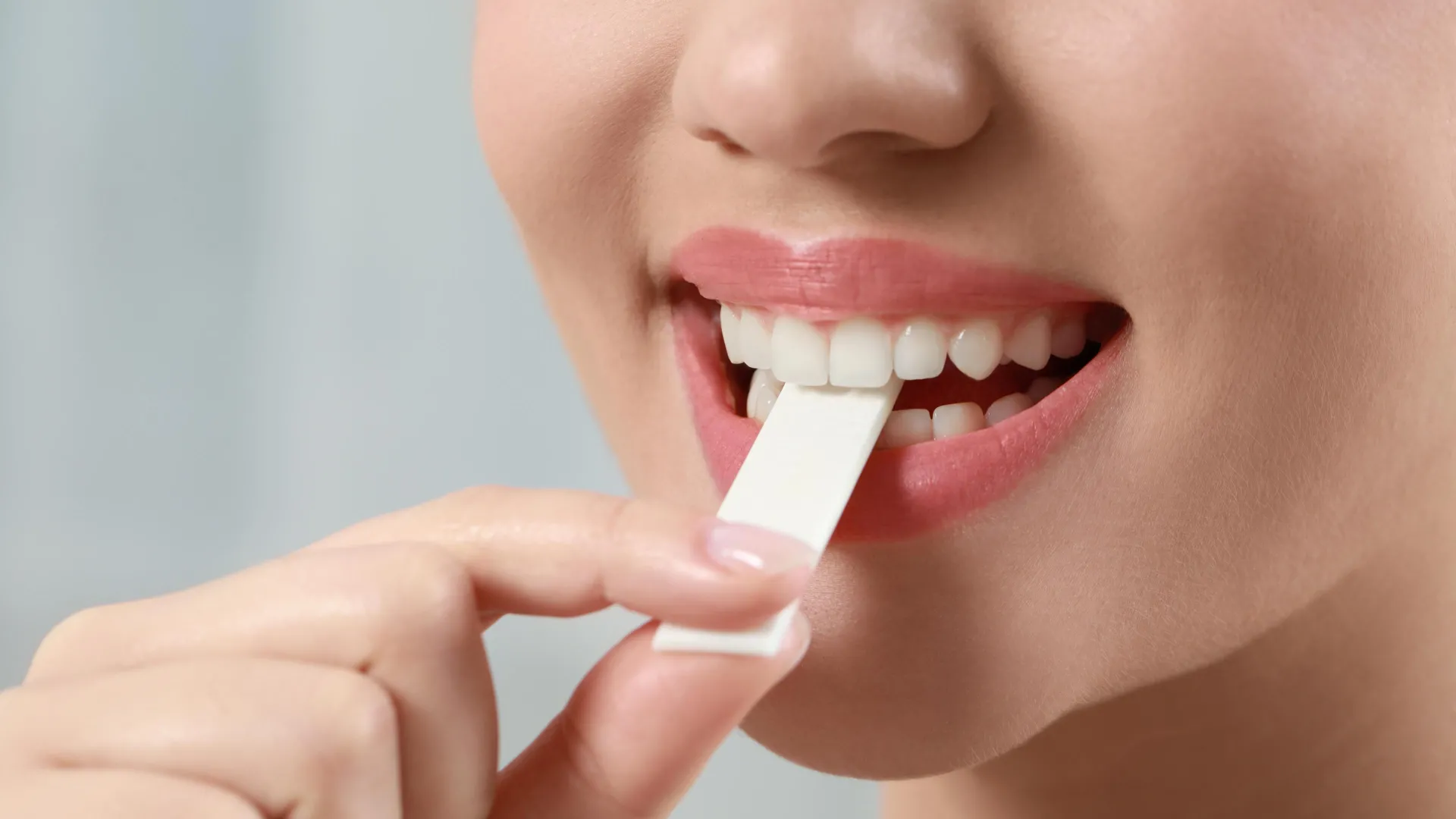
A groundbreaking development in oral healthcare presents a bioengineered chewing gum capable of substantially reducing key microbial agents implicated in the etiology and progression of head and neck cancers. Recent investigations reveal that specialized extracts derived from this innovative gum effectively diminish levels of human papillomavirus (HPV) and two specific bacterial species, Porphyromonas gingivalis and Fusobacterium nucleatum, offering a promising, accessible pathway for improved therapeutic and prophylactic strategies against these aggressive malignancies.
Head and neck squamous cell carcinoma (HNSCC) represents a significant global health challenge, characterized by its aggressive nature and often poor prognosis, particularly when detected at advanced stages. This group of cancers originates in the mucosal lining of the mouth, throat, and larynx, presenting complex treatment paradigms that frequently involve surgery, radiation therapy, and chemotherapy. Despite advancements in medical oncology, the landscape of HNSCC treatment continues to grapple with limitations, including significant side effects from conventional therapies that can severely impact a patient’s quality of life, and in many cases, insufficient improvements in long-term survival rates. This persistent unmet need underscores the critical demand for novel, complementary approaches that can enhance existing treatments, mitigate disease progression, and potentially offer new avenues for prevention.
The innovative research, spearheaded by Dr. Henry Daniell and his team at the University of Pennsylvania’s School of Dental Medicine, introduces a novel oral therapeutic delivered through a familiar, patient-friendly format: chewing gum. The findings, meticulously detailed in Scientific Reports, highlight a paradigm shift in targeting the microbial underpinnings of HNSCC, promising a future where advanced cancer therapies are not only effective but also more accessible and economically viable for a broader patient population.
Understanding Head and Neck Squamous Cell Carcinoma and its Microbial Links
HNSCC encompasses a diverse range of malignancies affecting vital anatomical structures involved in speech, swallowing, and breathing. Traditional risk factors include tobacco and alcohol consumption, but in recent decades, human papillomavirus (HPV) infection, particularly HPV16, has emerged as a predominant etiological agent for a subset of oropharyngeal cancers. The rising incidence of HPV-driven HNSCC, particularly among younger, non-smoking individuals, has reshaped our understanding of the disease and necessitated targeted therapeutic and preventative strategies.
Beyond viral pathogens, the oral microbiome plays a critical, yet often underappreciated, role in both maintaining oral health and contributing to disease pathogenesis, including cancer. Dysbiosis, an imbalance in the microbial community, has been increasingly linked to various systemic diseases, and specific pathogenic bacteria have been identified as drivers or exacerbators of HNSCC. Porphyromonas gingivalis (Pg), a keystone pathogen in chronic periodontitis, and Fusobacterium nucleatum (Fn), another common oral bacterium, have garnered significant attention due to their documented roles in promoting inflammation, modulating the tumor microenvironment, and contributing to disease progression and resistance to therapy in HNSCC. Dr. Daniell emphasizes the profound impact of these microbial agents, noting, "The global increase in oropharyngeal cancer is linked to HPV infection. And Pg and Fn infections worsen survival rates of untreated recurrent or metastatic oral cancer, even after surgery and risk-adjusted adjuvant, or supplemental, therapies." This observation underscores the urgent need to address these microbial co-factors in a comprehensive cancer management strategy.
The Bioengineered Chewing Gum: A Dual-Action Therapeutic
The foundation of this therapeutic innovation rests upon earlier research involving a chewing gum derived from lablab beans. This "bean gum" naturally contains FRIL, a potent antiviral protein. Leveraging advanced bioengineering techniques, Dr. Daniell’s team first utilized extracts from this naturally occurring bean gum to target HPV. In laboratory tests using oral samples obtained from HNSCC patients, the FRIL-containing gum extracts demonstrated remarkable efficacy, reducing HPV levels by a substantial 93% in saliva samples and by 80% in oral rinse samples. This initial success highlighted the potential of a localized, plant-derived antiviral agent.
Building upon this promising platform, the researchers further engineered the bean gum to incorporate protegrin, an antimicrobial peptide renowned for its broad-spectrum activity against harmful bacteria. The introduction of protegrin transformed the gum into a dual-action therapeutic capable of simultaneously combating both viral and bacterial pathogens. The results were compelling: a single dose of the protegrin-enhanced gum led to a near-complete eradication of Porphyromonas gingivalis and Fusobacterium nucleatum, driving their levels down to almost zero in the tested oral samples.
A critical aspect of this novel therapeutic is its selective targeting. Unlike conventional treatments, such as radiation therapy, which can indiscriminately damage beneficial oral flora and lead to an overgrowth of opportunistic pathogens like Candida albicans (thrush), the bioengineered gum demonstrated a crucial advantage: it preserved the healthy, symbiotic bacteria that normally inhabit the oral cavity. This preservation of the beneficial oral microbiome is paramount for maintaining overall oral health and preventing secondary infections or complications, offering a stark contrast to the often-deleterious effects of aggressive cancer treatments on the delicate microbial ecosystem of the mouth.
Implications for Cancer Treatment and Prevention
The ability of this bioengineered chewing gum to precisely target and neutralize key oncogenic microbes while safeguarding the protective oral microbiome carries profound implications across the spectrum of cancer care. Researchers envision its utility in several critical capacities:
- Adjunctive Therapy: The gum could serve as a valuable complementary treatment alongside existing HNSCC therapies. By reducing the microbial burden associated with disease progression and recurrence, it could potentially enhance the efficacy of surgery, radiation, and chemotherapy, leading to improved patient outcomes and reduced side effects.
- Prophylactic Measure: Given its ability to significantly lower levels of HPV and pathogenic bacteria, the gum holds immense promise as a preventive agent. It could potentially be used to reduce the risk of initial infection, particularly for high-risk individuals, or to prevent the transmission of these microbes. This is particularly relevant for HPV, which is sexually transmitted and linked to a rising incidence of oropharyngeal cancer.
- Reducing Recurrence and Metastasis: By mitigating the presence of microbes known to worsen survival rates in recurrent or metastatic oral cancer, the gum could play a crucial role in preventing disease progression and improving prognosis, even after initial aggressive interventions.
Dr. Daniell underscores the global health significance of these findings, stating, "Lip and oral cavity cancer was the seventh leading cancer type in cancer incidence and mortality rate worldwide in adolescents, young adults, and middle-aged adults in 2022. Our findings support the value of advancing these therapies to clinical trials as adjuvants with current treatments or as prophylaxis to prevent infection and transmission." This highlights the urgent need to translate these laboratory successes into clinical reality.
Broader Context: The Promise of Plant-Based Therapeutics
The development of this chewing gum leverages the growing field of plant-based biotechnology for therapeutic protein production. Producing therapeutic proteins in plants offers several advantages over traditional mammalian cell culture systems, including significantly lower production costs, enhanced scalability, and reduced risk of contamination by mammalian pathogens. This approach could be particularly transformative for developing countries and underserved populations, where access to expensive, complex cancer medications is often limited. The prospect of an affordable, easily administered oral therapeutic could democratize access to advanced cancer prevention and management strategies.
Future Directions and Challenges
While the preclinical results are exceptionally promising, the journey from laboratory discovery to widespread clinical application involves rigorous testing. The immediate next step involves advancing these therapies to comprehensive human clinical trials. These trials will be essential to:
- Confirm Efficacy and Safety: Validate the impressive microbial reduction observed in oral samples within living human subjects, ensuring the gum is safe, well-tolerated, and effective in a diverse patient population.
- Determine Optimal Dosing and Regimen: Establish the most effective frequency and duration of gum use for both therapeutic and prophylactic purposes.
- Assess Long-Term Outcomes: Evaluate the long-term impact of gum use on HNSCC incidence, recurrence rates, and overall patient survival.
- Address Practical Considerations: Evaluate patient compliance, taste preferences, and potential interactions with other medications.
Beyond HNSCC, the fundamental principle of a bioengineered, microbe-targeting oral therapeutic could have broader implications. This technology might be adaptable to other oral infections, or even systemic conditions where the oral microbiome plays a contributing role. The elegance of delivering active pharmaceutical ingredients through a simple, familiar medium like chewing gum opens up new possibilities for patient-centric drug delivery systems.
In conclusion, the development of a bioengineered chewing gum capable of dramatically reducing levels of HPV and specific pathogenic bacteria linked to head and neck cancer represents a significant scientific breakthrough. This innovative approach offers a potential pathway for more accessible, affordable, and less invasive strategies for cancer prevention, adjunctive therapy, and improved patient outcomes. As these promising findings transition towards human clinical trials, the medical community eagerly anticipates the potential for this novel oral therapeutic to reshape the landscape of head and neck cancer management globally.



 Aura Kasih
 Safa Marwah