Ayu Aulia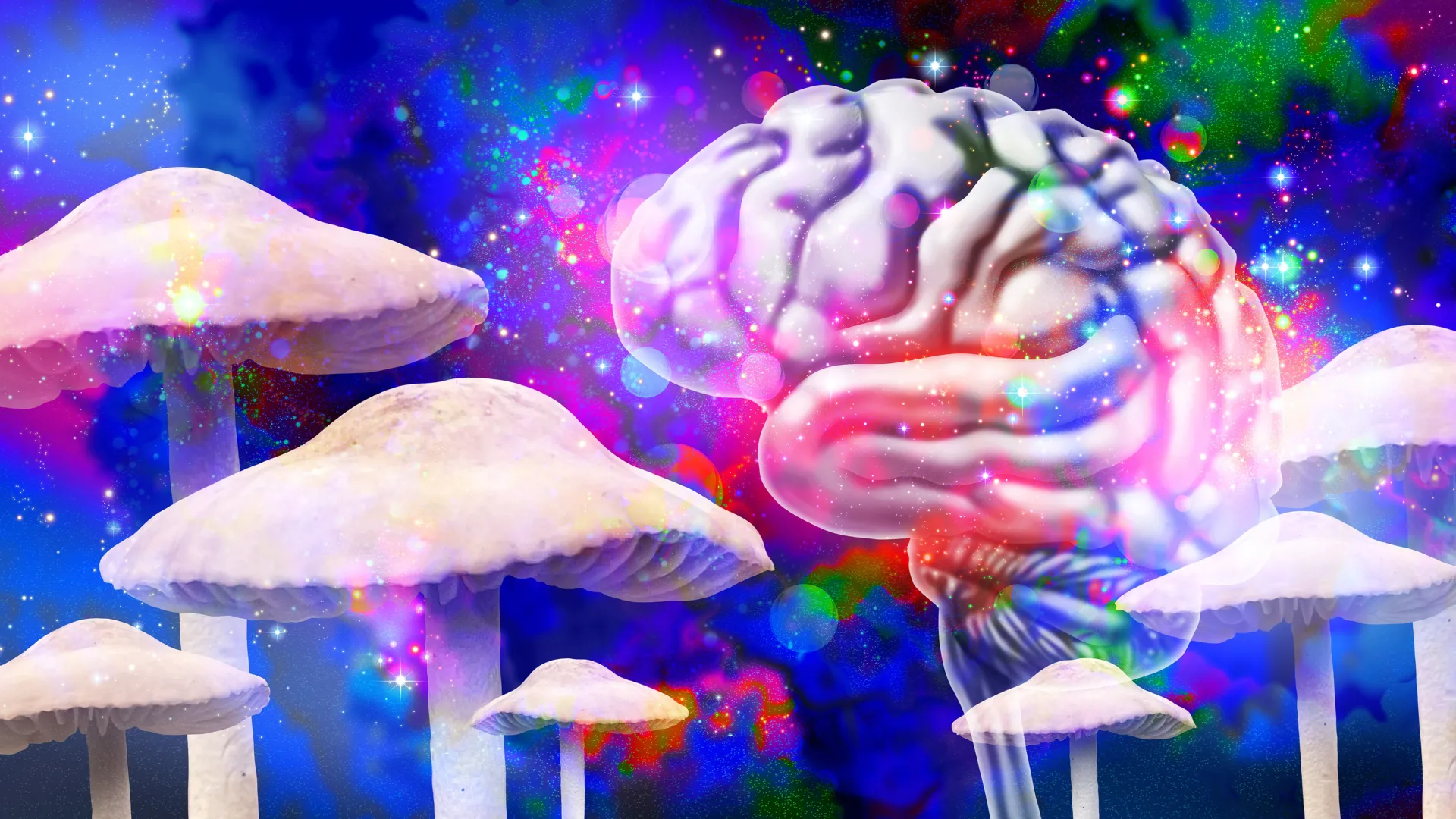
A groundbreaking collaborative study has illuminated how a singular administration of psilocybin, the potent psychedelic compound found in certain mushrooms, instigates profound and persistent structural and functional alterations within the human brain, detectable weeks after its acute effects subside. This revelation offers crucial insights into the neurobiological underpinnings of psilocybin’s burgeoning therapeutic promise for a spectrum of mental health disorders.
The research, a joint endeavor between scientists at the University of California San Francisco and Imperial College London, delves beyond the transient subjective experiences associated with psychedelics to pinpoint tangible neural modifications. Published in a prestigious scientific journal, the investigation involved a cohort of healthy adults with no prior exposure to psychedelic substances. While none of the participants presented with diagnosed mental health conditions, the findings resonate deeply with the observed efficacy of psilocybin in clinical trials targeting severe depression, anxiety, and various forms of addiction. The study postulates that the unique brain state induced by psilocybin, characterized by heightened "entropy," plays a pivotal role in fostering psychological insights that subsequently drive improvements in mental well-being, cementing the psychedelic "trip" itself as a critical therapeutic component.
The Enigma of Brain Entropy: A Gateway to Insight
Central to the study’s findings is the concept of brain "entropy," a term describing the diversity, richness, and unpredictability of neural activity. In a healthy, flexible brain, a certain level of entropy is desirable, allowing for adaptive responses to novel stimuli and facilitating creative problem-solving. Conversely, conditions like depression and anxiety are often associated with rigid, repetitive thought patterns and reduced neural flexibility, reflecting a state of lower entropy. The researchers observed temporary, yet significant, increases in brain entropy following psilocybin administration, indicating that the brain was generating and processing a broader, more varied range of information.
This transient state of heightened neural fluidity, the study suggests, may serve as a crucial facilitator for psychological insight. During the minutes and hours immediately following a substantial psilocybin dose, a greater surge in entropy was directly correlated with more profound emotional insights reported by participants the subsequent day. Critically, those who experienced more significant insights also reported sustained improvements in their overall well-being a full month later. This establishes a compelling mechanistic link: the transient entropic state enables a deeper self-reflection, which then translates into enduring psychological benefits. Robin Carhart-Harris, PhD, a distinguished professor of neurology and senior author on the paper, underscored this connection, stating that the "psyche-revealing" nature of the experience, and its neural correlates, are instrumental in the therapeutic mechanism of psychedelic interventions.
Precision Methodology: Dissecting Psilocybin’s Neural Footprint
The meticulous design of the study was instrumental in uncovering these intricate relationships. Researchers employed a multi-modal approach, leveraging several advanced neuroimaging techniques to capture a comprehensive picture of brain activity, connectivity, and even structural integrity. Measurements were systematically collected at three distinct phases: prior to any psychedelic intervention, during the acute peak of the psilocybin experience, and then again one month following the active dose. The inclusion of healthy, psychedelic-naive volunteers was a strategic choice, enabling a broader array of investigative tests that might be ethically or practically constrained in a clinical patient population already struggling with mental health conditions.
The experimental protocol unfolded in two distinct stages. Initially, participants received a low, 1 mg dose of psilocybin, which served as a placebo control, allowing researchers to establish a baseline and account for any non-specific effects. Brain activity was then carefully monitored using electroencephalography (EEG), a non-invasive technique that records electrical signals via electrodes placed on the scalp, providing high temporal resolution data on neural oscillations. Over the ensuing weeks, participants underwent comprehensive psychological assessments evaluating insight, general well-being, and cognitive performance. Furthermore, functional MRI (fMRI) was utilized to map blood flow changes indicative of neural activity, while diffusion tensor imaging (DTI) provided crucial insights into the structural integrity and organization of white matter tracts – the brain’s communication highways.
Following a washout period, participants in the second stage received a therapeutically relevant 25 mg dose of psilocybin, engineered to elicit a powerful and immersive psychedelic experience. EEG recordings were again taken during the acute phase of the trip, capturing the dynamic shifts in brain entropy. The same battery of psychological and imaging assessments was then meticulously repeated over the subsequent weeks. This sophisticated comparative design, contrasting the effects of a sub-perceptual dose with a full psychedelic dose, allowed the research team to precisely isolate and attribute the observed changes to the potent psychoactive properties of psilocybin.
Structural Reversal: A Glimpse into Neuroplasticity
One of the most compelling and unprecedented findings emerged from the DTI analysis performed one month after the 25 mg psilocybin dose. The researchers observed discernible signs of increased density and integrity within neural tracts. DTI works by measuring the diffusion of water molecules along nerve fibers, with more restricted and organized diffusion indicating healthier, more robust white matter pathways. This pattern of enhanced neural tract integrity stood in stark contrast to the changes typically associated with the natural aging process, during which neural tracts tend to become more diffuse and less organized, contributing to age-related cognitive decline.
This finding represents a significant paradigm shift, offering tangible evidence that psychedelics may induce not just transient functional shifts, but also lasting structural changes in the brain. While the precise long-term implications of these structural enhancements require further dedicated investigation, their potential to promote neural resilience and even counteract aspects of neurodegeneration is a profoundly exciting avenue for future research. It positions psilocybin as a potential agent for promoting neuroplasticity – the brain’s capacity to reorganize itself by forming new neural connections – a capability often compromised in chronic mental health conditions.
Beyond the Mystical: Quantifiable Gains in Insight and Cognition
The subjective reports from participants corroborated the objective neurobiological findings, underscoring the profound nature of the psilocybin experience. A staggering 27 out of 28 participants described the 25 mg dose as the "single most" unusual state of consciousness they had ever encountered, with the remaining participant ranking it among their top five. Crucially, this intense subjective experience translated into quantifiable psychological gains. Participants reported substantially greater psychological insight after the higher dose compared to the placebo, indicating a deep dive into self-reflection and personal understanding.
These acute insights were then followed by sustained improvements in overall well-being, evident at both the two-week and four-week post-dose assessments. These improvements were measured through responses to statements reflecting optimism about the future and effective problem-solving capabilities, suggesting a more resilient and positive outlook on life. Furthermore, a month after the experiment, participants demonstrated enhanced performance on tests of cognitive flexibility – the vital ability to adapt one’s thinking and respond effectively to changing information and circumstances. Taylor Lyons, PhD, a research associate and first author of the paper, emphasized the significance of these findings: "Psilocybin seems to loosen up stereotyped patterns of brain activity and give people the ability to revise entrenched patterns of thought. The fact that these changes track with insight and improved well-being is especially exciting." This suggests that psilocybin not only facilitates self-discovery but also equips individuals with enhanced cognitive tools for navigating life’s complexities.
The Therapeutic Nexus: Unlocking Psilocybin’s Clinical Utility
The study’s comprehensive data allowed the researchers to articulate a compelling model for how the psychedelic experience translates into lasting therapeutic benefits. The largest increases in brain entropy observed during the initial hours post-psilocybin administration were strongly predictive of greater psychological insight reported the following day. These increases in insight, in turn, were directly associated with more robust improvements in well-being observed a month later. This establishes a clear, cascading mechanism: the acute entropic brain state fosters critical psychological insights, which then serve as the primary drivers of sustained positive mental health outcomes.
This profound understanding of psilocybin’s mechanism of action holds immense implications for the burgeoning field of psychedelic-assisted therapy. Clinicians may eventually leverage these insights to refine treatment protocols, moving beyond a purely empirical approach to one informed by neurobiological principles. For instance, future research might focus on identifying optimal psilocybin doses that reliably produce sufficient brain entropy to encourage meaningful insight without necessarily inducing an unnecessarily intense or overwhelming experience for all patients. This could lead to more personalized and effective therapeutic interventions. As Carhart-Harris succinctly put it, "We already knew psilocybin could be helpful for treating mental illness. But now we have a much better understanding of how."
Broader Implications and Future Trajectories
This seminal research reinforces the growing scientific consensus that psilocybin is a powerful agent for neuroplasticity, capable of reorganizing neural networks and breaking rigid thought patterns associated with various mental health conditions. Unlike traditional psychopharmacological interventions that often manage symptoms, psilocybin appears to facilitate a fundamental shift in brain dynamics and self-perception, potentially addressing the root causes of distress. The finding that it can induce structural changes akin to a "reversal" of neural aging is particularly intriguing, opening doors to investigating its potential role in age-related cognitive decline or neurodegenerative diseases, far beyond its current applications in mental health.
Future research will undoubtedly build upon these foundational insights. Longer-term follow-up studies, extending beyond the one-month mark, are crucial to ascertain the durability of these structural and psychological changes. Investigating diverse clinical populations – those with diagnosed depression, anxiety, PTSD, or addiction – will be essential to confirm these mechanisms in therapeutic contexts. Further granular exploration of specific neural circuits affected by psilocybin, alongside potential genetic or biomarker predictors of response, could pave the way for highly personalized psychedelic medicine. Moreover, comparative studies with other psychedelic compounds or even non-pharmacological interventions will help delineate the unique contributions of psilocybin’s entropic effects. The precise functional significance of the observed increases in neural tract density and integrity also warrants deeper investigation, perhaps correlating these changes with specific cognitive or emotional processing improvements.
In conclusion, this study marks a pivotal moment in understanding the neurobiological underpinnings of psychedelic action. By meticulously demonstrating how a single dose of psilocybin can induce lasting functional and structural brain changes, linked directly to psychological insight and improved well-being, the research significantly advances the scientific legitimacy of psychedelic compounds. It transforms the perception of psychedelic experiences from purely subjective phenomena into measurable neurobiological processes, offering a robust framework for developing sophisticated and effective treatments for mental health challenges in the coming era.



 Aura Kasih
 Safa Marwah