Safa Marwah
A sophisticated data exfiltration campaign orchestrated by the notorious Clop ransomware syndicate is actively leveraging a critical security flaw within widely deployed Product Lifecycle Management (PLM) platforms, PTC Windchill and FlexPLM, to illicitly obtain sensitive corporate data. This targeted operation underscores the escalating threat posed by advanced persistent threat (APT) groups focusing on business-critical applications as conduits for high-value intellectual property and proprietary information theft, potentially impacting a vast array of global industries.
The cybercriminal organization, also identified as Cl0p, has reportedly been exploiting CVE-2026-12569, a severe improper input validation vulnerability residing in internet-facing instances of PTC Windchill and FlexPLM. This flaw, characterized by its critical severity rating (CVSS 9.3) as an unsafe deserialization vulnerability, grants unauthenticated remote code execution (RCE) capabilities to attackers. Cybersecurity firm ReliaQuest provided crucial insights into the ongoing exploitation, observing the deployment of JavaServer Pages (JSP) webshells onto compromised systems. These webshells serve as persistent backdoors, enabling the threat actors to execute arbitrary commands remotely and facilitate the systematic exfiltration of highly sensitive product-related data from the affected PLM platforms. The methodical approach and strategic targeting of these enterprise applications are hallmarks of Clop’s established tradecraft, signaling a significant escalation in their data theft and extortion endeavors.
PTC Windchill and FlexPLM represent cornerstone enterprise software solutions within the Product Lifecycle Management domain. These platforms are indispensable for organizations across diverse sectors, including aerospace, defense, automotive, heavy machinery, retail, and medtech, where they are utilized to manage the entire lifecycle of a product—from initial conceptualization and design through engineering, manufacturing, quality assurance, and supply chain operations. With PTC boasting a global customer base exceeding 30,000, including over 1,500 brand and retail clients leveraging FlexPLM, the potential ramifications of a widespread compromise are immense. The data housed within these systems often includes intellectual property, proprietary designs, manufacturing specifications, supply chain logistics, and other commercially sensitive information, making them exceptionally attractive targets for financially motivated cybercriminals.

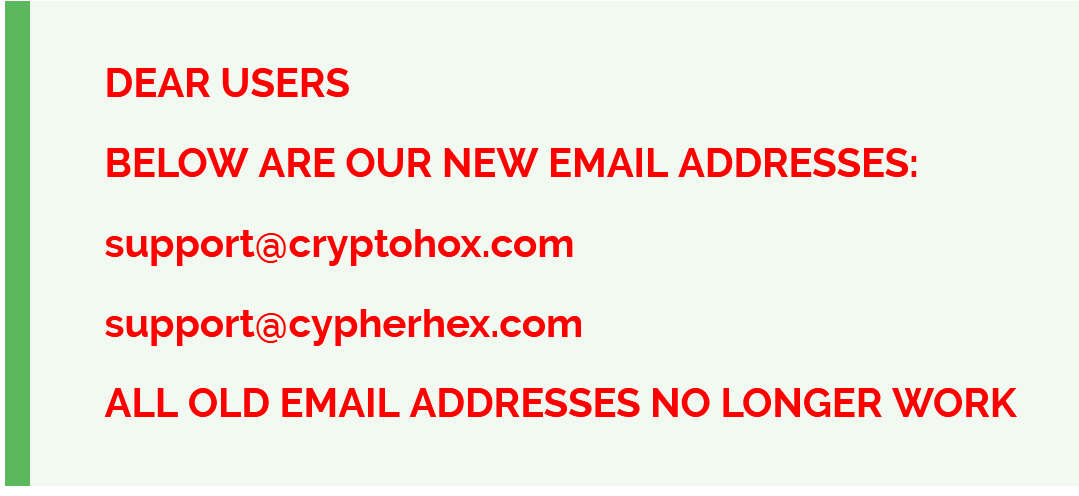
The modus operandi observed in this campaign aligns perfectly with Clop’s historical tactics. Following successful infiltration and data exfiltration, the group initiates an extortion phase. Companies that have fallen victim to these attacks have begun receiving demands via new communication channels, specifically through email addresses such as [email protected]. This practice of frequently rotating email addresses is a well-documented strategy employed by the Clop gang to evade detection and maintain operational anonymity during their extortion campaigns. Should victims refuse to comply with the ransom demands, Clop typically proceeds to publish the stolen data on its dark web leak site, often making it available for download via Torrent networks, thereby inflicting severe reputational damage and competitive disadvantage upon the affected organizations.
The gravity of the situation has prompted a rapid and coordinated response from both the vendor and governmental cybersecurity agencies. PTC initiated the release of security patches for CVE-2026-12569 on June 17. While the company initially refrained from publicly confirming in-the-wild exploitation, it disseminated crucial remediation guidance through a private advisory, urging its customer base to conduct thorough reviews of their environments for any indicators of compromise (IOCs). This cautious approach likely aimed to prevent panic and provide time for customers to implement patches before widespread public disclosure. However, the escalating threat quickly necessitated broader action.
By June 26, the Cybersecurity and Infrastructure Security Agency (CISA) formally recognized the severity of the vulnerability by adding it to its Known Exploited Vulnerabilities (KEV) Catalog. This designation is highly significant, as it mandates all U.S. federal civilian executive branch agencies to secure their affected PTC Windchill and FlexPLM instances within a stringent three-day timeframe. The inclusion in the KEV catalog serves as a critical alert for the broader cybersecurity community, signaling active exploitation and the urgent need for mitigation. Furthermore, international cybersecurity bodies have reacted with similar urgency. German news outlet Heise reported on the Federal Office for Information Security (BSI) undertaking extraordinary measures, including emailing and calling PTC customers in the middle of the night, to emphasize the critical need for immediate patching. This level of emergency response mirrors previous incidents, such as the proactive warnings issued in March concerning another critical Windchill and FlexPLM flaw, CVE-2026-4681, underscoring the consistent high-priority status assigned to vulnerabilities affecting these core enterprise platforms.

In light of these developments, ReliaQuest has issued comprehensive recommendations for PTC customers. Foremost among these is the immediate application of available patches to all Windchill and FlexPLM systems. Beyond patching, organizations are advised to enhance their network defenses by placing these critical systems behind virtual private networks (VPNs) or trusted access gateways, thereby reducing their direct exposure to the public internet. For entities suspecting a compromise, the guidance includes isolating affected servers to prevent further lateral movement, meticulously collecting forensic artifacts for incident analysis, and rotating any exposed credentials before restoring service. These measures are crucial for containing the breach, understanding its scope, and rebuilding trust in the affected infrastructure.
Clop’s current campaign is not an isolated incident but rather a continuation of a well-established pattern of targeting high-value enterprise platforms for data exfiltration. The group has a notorious history of exploiting zero-day and critical vulnerabilities in widely used file-sharing and business-critical software. Previous high-profile campaigns include breaches of Accellion FTA, GoAnywhere MFT, SolarWinds Serv-U FTP, Cleo, and most notably, MOVEit Transfer file-sharing servers. The MOVEit campaign alone impacted an staggering number of organizations, exceeding 2,770 entities worldwide, demonstrating Clop’s capability to execute operations at an unprecedented scale. More recently, the group exploited a zero-day flaw in Oracle EBS, leading to the theft of sensitive data from numerous prominent organizations since early August 2025, including Harvard University, The Washington Post, GlobalLogic, the University of Pennsylvania, Logitech, Estée Lauder, Korean Air, and American Airlines subsidiary Envoy Air. This consistent targeting of platforms holding vast amounts of corporate and personal data highlights Clop’s strategic focus on maximizing their extortion potential.
The implications of such attacks extend far beyond immediate financial losses. For companies reliant on PLM systems, a data breach can result in the catastrophic loss of intellectual property, severely compromising competitive advantage and potentially leading to significant economic espionage. Operational disruptions can cascade throughout complex supply chains, affecting manufacturing processes, product development timelines, and ultimately, market delivery. Furthermore, organizations face substantial regulatory fines under data protection laws like GDPR and CCPA, coupled with severe reputational damage that can erode customer trust and investor confidence. The compromise of PLM systems also introduces significant supply chain risk, as proprietary designs and manufacturing details could be used by malicious actors to create counterfeit products or disrupt critical infrastructure.
This incident serves as a stark reminder of the evolving cybersecurity landscape, where threat actors are increasingly shifting their focus from traditional network perimeters to application-layer vulnerabilities in critical business software. It underscores the paramount importance of a holistic approach to cybersecurity that includes not only network and endpoint protection but also rigorous application security testing and robust vulnerability management programs for all enterprise-grade software. The race between patching and exploitation is becoming ever more critical, demanding that organizations prioritize rapid deployment of security updates, especially for internet-facing systems that handle sensitive data.
Looking ahead, organizations leveraging PLM systems must adopt a proactive and defensive posture. This includes implementing an enhanced patch management strategy that ensures critical updates are deployed with utmost urgency. Robust network segmentation is crucial to isolate PLM systems from broader corporate networks, thereby limiting the potential blast radius of a successful breach. Advanced threat detection capabilities, encompassing Endpoint Detection and Response (EDR) solutions, Security Information and Event Management (SIEM) systems, and behavioral analytics, are essential to identify indicators of compromise such as webshell deployment or unusual data exfiltration attempts. Regular security audits and penetration testing specifically targeting business-critical applications are indispensable for uncovering exploitable weaknesses before threat actors do. Furthermore, comprehensive incident response plans must be developed and regularly tested to ensure a swift and effective reaction to data breaches and extortion attempts.
The persistent and sophisticated nature of groups like Clop, coupled with their ability to repeatedly exploit zero-day vulnerabilities in widely used software, underscores the need for continuous vigilance and investment in cybersecurity infrastructure. International cooperation among law enforcement agencies and intelligence communities is vital to dismantle such cybercriminal networks. The U.S. Department of State’s standing offer of a $10 million reward for information linking Clop’s attacks to a foreign government further highlights the perceived national security implications of their activities, emphasizing the global commitment to combating these pervasive threats.



 Aura Kasih
 Ayu Aulia