Aura Kasih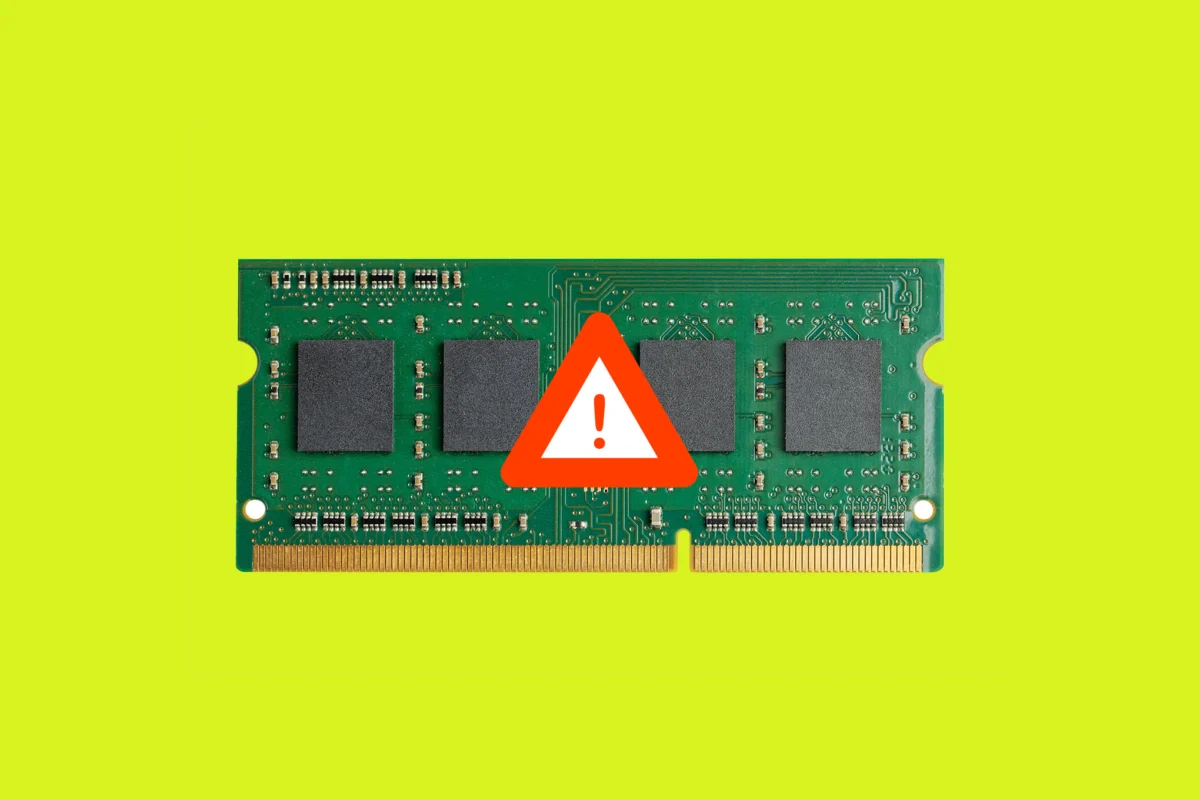
The global semiconductor industry faces a protracted period of constrained supply for Random Access Memory (RAM), with projections indicating that manufacturers may only satisfy approximately 60 percent of anticipated demand by the close of 2027. This looming deficit, driven by a confluence of escalating demand and deliberate strategic production shifts, threatens to extend the current memory crunch well into the latter half of the decade, potentially impacting a wide array of consumer electronics and advanced technological sectors.
The intricate ecosystem of semiconductor manufacturing, particularly for volatile memory components like RAM, is characterized by lengthy production cycles and substantial capital investment. Major players in this arena, including industry titans such as Samsung, SK Hynix, and Micron, are actively engaged in expanding their fabrication capabilities. However, the realization of this new production capacity is a gradual process, with significant contributions unlikely to materialize before 2027, and in some cases, potentially not until 2028. This temporal lag between investment and output is a critical factor in the projected duration of the shortage.
The current situation is exacerbated by a strategic pivot within the industry towards the production of High-Bandwidth Memory (HBM). HBM is a specialized type of RAM designed for exceptionally high data transfer rates, making it indispensable for the burgeoning field of artificial intelligence (AI). The insatiable appetite of AI data centers for computational power translates directly into an increased demand for HBM. Consequently, leading memory manufacturers are prioritizing HBM production, diverting resources and fab capacity away from the manufacturing of more general-purpose DRAM. This shift, while strategically sound for capitalizing on the AI boom, inevitably constrains the supply of standard DRAM, which is the workhorse memory found in the vast majority of personal computers, smartphones, tablets, and other consumer electronic devices.
To illustrate the scale of the challenge, industry analyses suggest that to adequately meet the projected demand for RAM in 2026 and 2027, global production would need to increase by a substantial 12 percent annually. However, current industry plans, as observed by market research firms, indicate a more modest annual increase of approximately 7.5 percent. This discrepancy between required growth and planned expansion underscores the structural imbalance that is likely to persist.
The implications of this sustained memory shortage are far-reaching and multifaceted. For consumers, the most immediate impact is the continued upward pressure on the prices of electronic devices. From the latest smartphones and laptops to virtual reality headsets and even portable gaming consoles, the cost of essential components like RAM has been a significant contributing factor to price hikes. This trend is unlikely to abate as long as supply remains outpaced by demand.
Beyond consumer electronics, the shortage poses a significant challenge to the advancement and widespread adoption of emerging technologies. The development and deployment of sophisticated AI models, advanced driver-assistance systems in vehicles, and next-generation computing platforms all rely heavily on abundant and affordable memory. A persistent scarcity of RAM could act as a bottleneck, slowing innovation and potentially increasing the cost of research and development.

Furthermore, the strategic prioritization of HBM over general-purpose DRAM raises questions about the long-term availability and affordability of memory for established markets. While the AI sector represents a significant growth area, the foundational technologies that underpin much of our digital infrastructure still require ample supplies of standard DRAM. A prolonged imbalance could impact the refresh cycles of enterprise hardware, the performance of cloud computing services, and the overall cost-effectiveness of digital operations for businesses worldwide.
The semiconductor industry’s cyclical nature is well-documented, often characterized by periods of boom and bust. However, the current memory shortage appears to be driven by more fundamental shifts in demand and production strategy, rather than simply an oversupply correction. The rapid proliferation of AI applications has fundamentally altered the demand landscape for memory, creating a new tier of high-performance requirements that are drawing significant investment and attention.
The projected duration of the shortage, extending potentially to 2027 and even beyond, suggests that the industry is entering a new paradigm. Manufacturers must navigate the delicate balance between meeting the demands of a rapidly expanding AI market and ensuring the continued availability and affordability of memory for a broad spectrum of established technologies. This will likely involve significant strategic decisions regarding capital allocation, technological innovation in memory design, and potentially new approaches to supply chain management.
Industry analysts and market observers are closely monitoring the capacity expansion plans of the major memory manufacturers. The pace at which new fabrication facilities come online and the specific types of memory they are designed to produce will be critical indicators of when the current supply-demand imbalance might begin to resolve. However, given the lead times involved in building and equipping semiconductor fabs, and the ongoing surge in demand for AI-related hardware, a swift resolution appears unlikely.
The implications for geopolitical supply chain resilience are also noteworthy. The concentration of advanced semiconductor manufacturing in a few key regions makes the global economy vulnerable to disruptions. The current RAM shortage serves as a stark reminder of the critical importance of a diversified and robust global semiconductor supply chain. Efforts to onshore or nearshore semiconductor manufacturing, while costly and complex, are likely to gain further traction as nations seek to secure their access to essential technologies.
In conclusion, the global RAM shortage is not a transient phenomenon but a structural challenge poised to shape the technology landscape for years to come. The industry’s strategic focus on high-demand sectors like AI, coupled with the inherent long-term nature of semiconductor manufacturing expansion, points towards a sustained period of constrained supply. This will necessitate careful planning and adaptation from both manufacturers and consumers, as the cost and availability of memory continue to be a significant factor in the evolution of technology. The long shadow cast by this shortage is expected to linger, impacting innovation, affordability, and the very pace of technological advancement across numerous sectors.




 Safa Marwah
 Ayu Aulia