
 Ayu Aulia
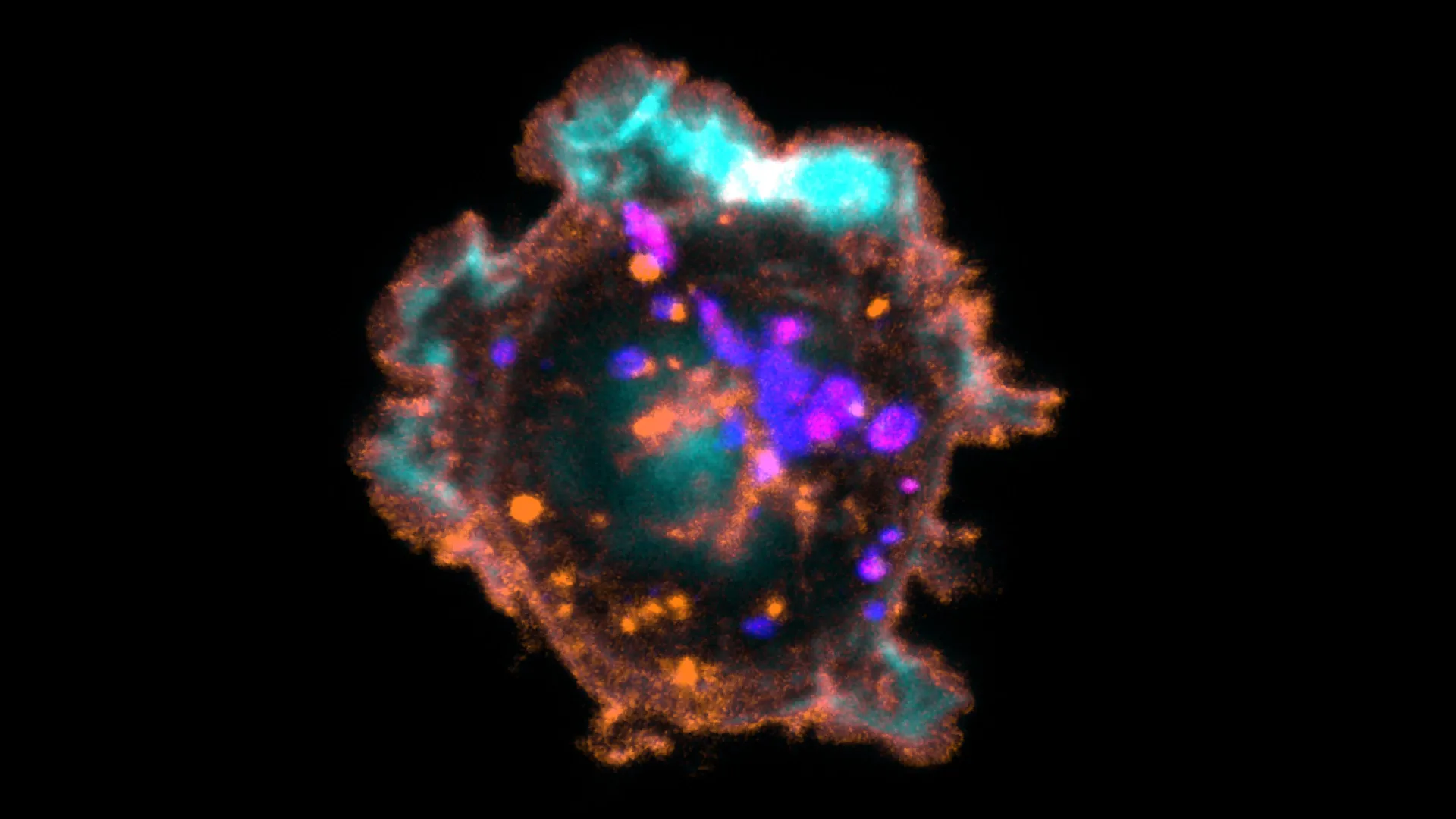
For decades, the severe inflammatory episodes characterizing a rare genetic condition were attributed to a specific immune cell type, but new research has fundamentally re-evaluated this understanding, identifying a previously overlooked dysfunction in natural killer cells that drives the dangerous immune overreaction and points toward novel therapeutic strategies. This groundbreaking investigation challenges over three decades of established immunological dogma, suggesting that a fundamental misinterpretation of the disease’s pathology has limited therapeutic development for patients suffering from this debilitating condition. The findings not only offer a new mechanistic paradigm for this specific disorder but also potentially reshape our comprehension of a broader family of related genetic conditions, opening avenues for more targeted diagnostics and treatments.
Revisiting a Persistent Inflammatory Enigma
Mevalonate Kinase Deficiency (MKD) represents a formidable challenge in the realm of genetic disorders, manifesting as recurrent, severe inflammatory attacks that can significantly impair quality of life and, in critical cases, prove life-threatening. Patients endure episodes marked by high fevers, painful skin rashes, debilitating joint inflammation, and intense abdominal distress. While the exact global prevalence remains challenging to ascertain due to diagnostic difficulties, it is understood to affect hundreds of individuals, from childhood through adulthood, with many more suspected cases remaining undiagnosed. The disease’s genetic origin means it is present from birth, imposing a lifelong burden on those afflicted.
For approximately 30 years, the prevailing scientific consensus positioned macrophages, a type of white blood cell crucial for immune defense and inflammatory responses, at the core of MKD’s pathology. These immune cells were believed to be the primary orchestrators of the excessive inflammatory signals observed during MKD flares. Consequently, existing therapeutic approaches have largely focused on neutralizing specific inflammatory cytokines, such as IL-1β, released by macrophages. While these treatments offer some relief, a significant proportion – roughly half – of patients exhibit an inadequate response, underscoring a critical unmet need for more effective and precisely targeted interventions. This therapeutic gap has driven researchers to scrutinize the established models, seeking alternative or complementary explanations for the disease’s persistent inflammatory signature.
Unmasking the Role of Natural Killer Cells
A recent pivotal study, published in the esteemed journal Immunity, has dramatically shifted this long-held perspective. Researchers embarked on a comprehensive investigation, analyzing blood samples from MKD patients and employing advanced preclinical models to dissect the molecular and cellular mechanisms underlying the disorder. Their meticulous experiments unveiled a profound and previously underappreciated defect in natural killer (NK) cells.
Natural killer cells are integral components of the innate immune system, serving as the body’s first line of defense against viral infections and cancerous cells. Their primary function involves directly identifying and destroying infected or abnormal cells before pathogens can proliferate or malignant transformations can take hold. This cytotoxic action is typically executed through the release of specialized granules containing potent lytic enzymes, which induce apoptosis (programmed cell death) in target cells.
In individuals afflicted with MKD, however, this crucial cellular machinery is compromised. The study revealed that NK cells fail to achieve proper maturation, rendering them dysfunctional. Critically, their ability to execute one of their most vital tasks – the efficient destruction of infected cells – is severely impaired. Instead of effectively eliminating targets, these compromised NK cells struggle to release their toxic granular contents, which remain trapped internally. This cellular frustration triggers a compensatory mechanism: the malfunctioning NK cells, unable to perform their designated cytotoxic role, begin to "shout for help." This "shouting" manifests as the excessive secretion of interferon gamma (IFN-γ), a potent pro-inflammatory cytokine.
Interferon gamma acts as a powerful signaling molecule, capable of activating a cascade of other immune cells and pathways. In the context of MKD, this uncontrolled release of IFN-γ unleashes a widespread inflammatory response, which underlies the debilitating fevers, rashes, and organ inflammation observed in patients. This discovery fundamentally redefines the primary cellular culprit in MKD, shifting the focus from macrophages as the sole instigators to NK cells as the critical initial point of failure, driving the subsequent pathological inflammation.
Challenging Decades of Immunological Dogma
The implications of this research extend far beyond a mere refinement of existing theories; they represent a paradigm shift in understanding MKD. The findings directly contradict the long-standing macrophage-centric view, positing NK cell dysfunction as the central driver of the disease’s inflammatory episodes. This re-evaluation necessitates a complete rethinking of diagnostic approaches and, more importantly, therapeutic strategies.
The collaborative effort behind this discovery, involving interdisciplinary teams, underscores the complexity of dissecting rare genetic disorders. By combining sophisticated cellular analyses with preclinical models, the researchers were able to establish a direct causal link between the defective NK cells and the severe inflammatory symptoms characteristic of MKD. Their experiments unequivocally demonstrated that when the immune system’s initial viral clearance mechanisms are compromised by malfunctioning NK cells, the ensuing inflammatory cascade can inflict significant damage upon various organs, explaining how a disorder rooted in impaired immune defenses can paradoxically lead to episodes of extreme, self-destructive inflammation. This paradox, previously difficult to reconcile within the macrophage-only framework, now finds a coherent explanation.
A Promising New Therapeutic Horizon: JAK Inhibitors
The immediate and most exciting implication of this discovery lies in its potential to guide novel therapeutic interventions. The identification of excessive interferon gamma signaling as a key inflammatory driver in MKD pointed directly towards a class of existing medications: Janus kinase (JAK) inhibitors. These drugs are designed to interfere with specific signaling pathways utilized by the immune system, including those activated by interferon gamma. They have already demonstrated efficacy in treating various immune-mediated conditions, such as rheumatoid arthritis, psoriatic arthritis, and eczema.
In a compelling initial application, the research team collaborated with clinicians to explore the use of baricitinib, a specific JAK inhibitor, in a severely affected infant with MKD. The infant had not responded adequately to conventional therapies, highlighting the urgent need for alternative approaches. Baricitinib was carefully integrated into the child’s existing treatment regimen. The observed outcome was remarkably encouraging: the frequency and severity of inflammatory flare-ups diminished, and critically, severe inflammation affecting the gastrointestinal tract, a common and dangerous manifestation of MKD, showed signs of healing.
While the results from a single patient, by their nature, cannot establish broad clinical efficacy, this case serves as a powerful proof-of-concept. It provides compelling early evidence that targeting the interferon gamma pathway with JAK inhibitors represents a viable and potentially transformative strategy for MKD patients, particularly for the significant subset who derive insufficient benefit from current treatments. This precision medicine approach, directly addressing the newly identified immunological flaw, contrasts sharply with the broader anti-inflammatory strategies previously employed.
The findings lay a robust foundation for future clinical studies. These will be essential to systematically evaluate the safety and efficacy of JAK inhibitors and other interferon gamma blocking agents across a larger cohort of MKD patients. Such trials could lead to the establishment of new standard-of-care protocols, fundamentally improving the prognosis and quality of life for individuals living with this challenging condition.
Broader Implications: The World of Prenylopathies
The ramifications of this research extend beyond the confines of MKD. The scientific community has introduced the term ‘prenylopathies’ to categorize a family of genetic disorders that share a common underlying defect in the mevalonate metabolic pathway—the same pathway disrupted in MKD. Early indications from ongoing research suggest that these related conditions may also share a similar fundamental problem: dysfunctional natural killer cells that, instead of performing their protective roles, inadvertently generate excessive inflammatory signals.
If further investigations substantiate this hypothesized common mechanism, it would represent a monumental leap forward in understanding and treating a cluster of previously disparate rare diseases. Identifying shared disease mechanisms across multiple disorders holds the promise of accelerating diagnostic processes, potentially ending the arduous "diagnostic odyssey" that many patients and their families endure for years, sometimes decades, before receiving an accurate diagnosis and, consequently, effective treatment. A unified understanding could lead to the development of broadly applicable diagnostic markers and therapeutic strategies, transforming the landscape for numerous individuals currently navigating a fragmented and often frustrating healthcare journey.
Moreover, this discovery contributes to a growing body of evidence highlighting the intricate interplay between metabolism and immune function. The mevalonate pathway is crucial for various cellular processes, including cholesterol synthesis and protein prenylation, which are essential for cell signaling and membrane association. A defect in this pathway, as seen in MKD, likely impacts NK cell development and function in ways that are only now beginning to be fully elucidated. This intersection of metabolic defects and immune dysregulation could offer valuable insights into other autoimmune and autoinflammatory conditions where similar metabolic perturbations might contribute to immune system malfunction.
Future Directions and the Horizon of Precision Medicine
The path forward involves rigorous clinical validation and continued basic scientific inquiry. Future research will undoubtedly focus on:
- Phase I/II/III Clinical Trials: Systematically evaluating the safety, optimal dosing, and efficacy of JAK inhibitors and other IFN-γ antagonists in diverse MKD patient populations.
- Biomarker Identification: Developing specific biomarkers that can predict patient response to JAK inhibitors, enabling a more personalized approach to treatment.
- Mechanism Refinement: Delving deeper into the precise molecular pathways by which mevalonate kinase deficiency impairs NK cell maturation and function, potentially uncovering additional therapeutic targets.
- Genetic Screening and Counseling: Enhancing genetic screening protocols for MKD and related prenylopathies, coupled with comprehensive genetic counseling for affected families.
- Long-term Outcomes: Monitoring the long-term impact of new treatments on disease progression, inflammatory episodes, and overall patient quality of life.
The re-evaluation of MKD’s underlying pathology, driven by the discovery of NK cell dysfunction, represents a pivotal moment in rare disease research. It underscores the critical importance of challenging established scientific paradigms and pursuing new avenues of inquiry when existing solutions fall short. This shift in understanding not only promises to transform the lives of those living with MKD through more targeted therapies but also illuminates a broader landscape of genetic inflammatory disorders, offering hope for more precise interventions and improved outcomes across a spectrum of challenging conditions. The journey from a hidden flaw in the immune system to a new therapeutic paradigm exemplifies the relentless pursuit of knowledge that defines modern medical science.



 Safa Marwah

 Aura Kasih



 Lisa Mariana
