 Aura Kasih
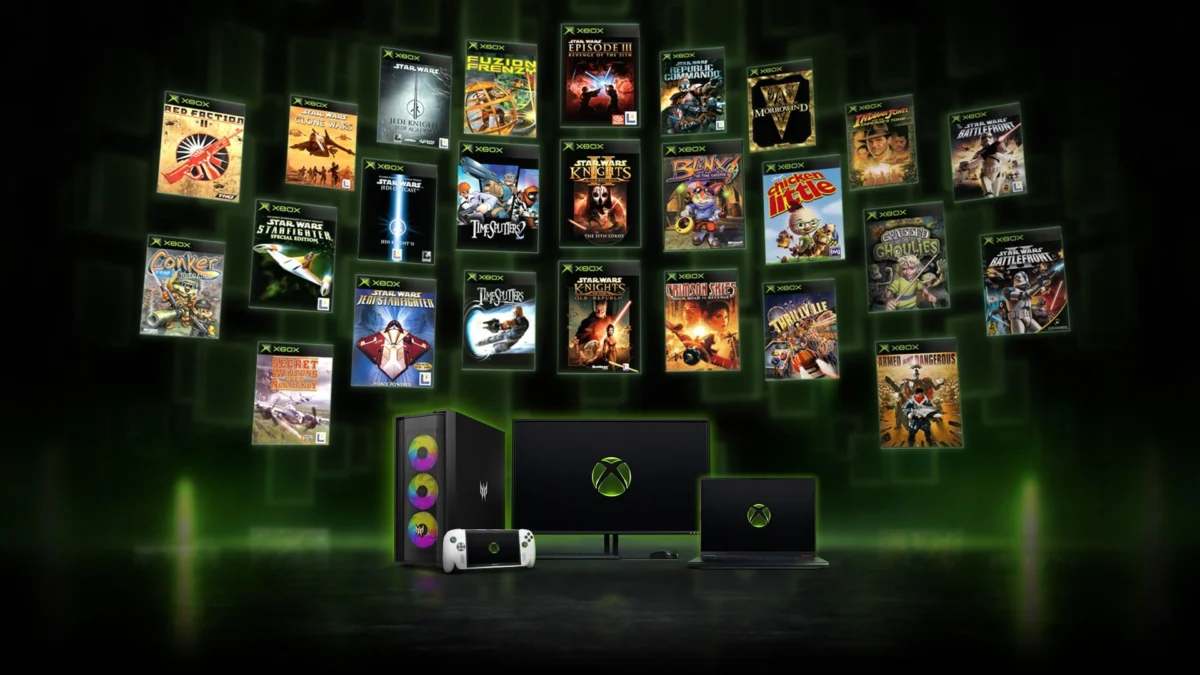
Microsoft has significantly expanded its commitment to digital game preservation and accessibility by launching 25 classic original Xbox titles for play on Windows PCs, a move that fulfills a key promise made in celebration of the Xbox brand’s 25th anniversary and offers a substantial upgrade to the initial rollout of a select few titles.
This latest initiative marks a substantial leap forward in Microsoft’s long-term strategy to make its gaming legacy accessible to a broader audience, particularly PC players. The inclusion of these 25 titles, many of which were once exclusive to the original Xbox console, represents a significant expansion from the initial four games made available earlier in the year. The ability to play these beloved games with modern PC peripherals, specifically keyboard and mouse support, is a testament to the ongoing evolution of emulation technology and Microsoft’s dedication to ensuring a seamless player experience across different platforms.
Beyond mere playability, Microsoft is introducing a groundbreaking feature for these original Xbox titles: achievements. This integration, a staple of modern gaming ecosystems, is being rolled out progressively, with an initial wave featuring iconic titles such as Star Wars: Knights of the Old Republic and its sequel, the platforming adventure Blinx: The Time Sweeper, and the often-misunderstood but beloved Rare title, Conker: Live & Reloaded. This achievement system will not only be available on PC but also on current-generation Xbox One and Xbox Series consoles, following a recent system update. The announcement suggests that this feature will be extended to more games in the future, further enhancing the replayability and nostalgic appeal of these classic titles.
The full roster of 25 original Xbox games now available on PC is as follows:
- Star Wars: Knights of the Old Republic
- Star Wars: Knights of the Old Republic II: The Sith Lords
- Blinx: The Time Sweeper
- Conker: Live & Reloaded
- Crimson Skies: High Road to Revenge
- Fusion Frenzy
- The Elder Scrolls III: Morrowind
- Grabbed by the Ghoulies
- Project Gotham Racing
- Project Gotham Racing 2
- Grand Theft Auto III
- Grand Theft Auto: Vice City
- Grand Theft Auto: San Andreas
- The Elder Scrolls IV: Oblivion
- Fable
- Fable: The Lost Chapters
- Deus Ex: Invisible War
- Sid Meier’s Pirates!
- Brothers in Arms: Road to Hill 30
- Brothers in Arms: Earned in Blood
- Tom Clancy’s Splinter Cell
- Tom Clancy’s Splinter Cell: Chaos Theory
- Tom Clancy’s Splinter Cell: Double Agent
- Beyond Good & Evil
- Ninja Gaiden
It is noteworthy that a significant portion of the newly added titles are installments from the Star Wars franchise, many of which already possessed pre-existing PC versions. This reflects a strategic approach to leveraging established intellectual property and providing PC players with access to experiences that may have been previously siloed to the console. While some of these titles were not originally exclusive to the Xbox platform, their inclusion in this initiative underscores Microsoft’s commitment to unifying its gaming library across different hardware generations and PC.
A crucial detail for prospective players is that the utilization of original Xbox discs for playing these games on PC is not supported. This limitation stems from the technical architecture of Microsoft’s disc-to-digital program for backward compatibility, which primarily encompasses Xbox One and subsequent console generations. The original Xbox and Xbox 360 discs predate the specific serialization methods embedded in Xbox One discs, thus rendering them incompatible with current digital redemption schemes. The underlying technology powering this PC backward compatibility is understood to be an emulation layer, a sophisticated software solution that mimics the hardware environment of the original console, allowing older games to run on modern operating systems.
Furthermore, the integration of these classic titles into the Xbox Game Pass subscription service is currently selective. As per Microsoft’s official statements, only a curated list of games, including Blinx, Conker, Crimson Skies, Fusion Frenzy, Morrowind, and Grabbed by the Ghoulies, are available through the service. This approach allows Microsoft to gauge player interest and explore potential subscription models for its extensive back catalog, while also incentivizing direct digital purchases for titles not included in Game Pass.
Leaked internal Microsoft documents had previously indicated a more extended timeline for the full rollout of original Xbox games on PC, with an anticipated "full launch" occurring around October 2026. These same documents outlined a more gradual integration of Xbox 360 titles onto next-generation consoles between 2027 and 2028. This projected timeline aligns with Microsoft’s rumored development of a handheld gaming device and a dedicated console dubbed the "Helix box," both expected to debut around 2028. The overarching vision for "Project Helix" appears to be a unified platform capable of playing games from every generation of Xbox, potentially even if the Helix hardware fundamentally operates as a sophisticated Windows PC.
The strategic implications of this expanded digital library are multifaceted. For Microsoft, it represents a significant investment in its intellectual property and a reinforcement of its position as a comprehensive gaming ecosystem provider. By making its historical library accessible on PC, the company not only appeals to a new generation of gamers who may not have experienced these titles firsthand but also caters to its existing fanbase seeking to revisit beloved classics. This move is particularly important in an era where digital storefronts and subscription services are increasingly dictating the consumption of video games.
From a player’s perspective, the availability of these original Xbox games on PC offers unprecedented convenience and enhanced gameplay experiences. The addition of keyboard and mouse controls bridges the gap between console-centric design and PC-native interaction, potentially making these games more approachable and enjoyable for a wider audience. The inclusion of achievements adds a layer of gamification and progression, encouraging players to delve deeper into these titles and rediscover their charm. Moreover, the emulation approach suggests that these games are being optimized to run on contemporary hardware, potentially offering improved performance and visual fidelity compared to their original releases.
The inclusion of a substantial number of Star Wars titles is a particularly interesting strategic decision. Given the enduring popularity of the Star Wars franchise and the critical acclaim many of these games received, their availability on PC through this initiative is likely to drive significant player engagement. It also highlights Microsoft’s ability to secure licensing agreements and integrate third-party intellectual property into its backward compatibility programs, a testament to its growing influence in the gaming industry.
The distinction between games available through Xbox Game Pass and those requiring individual purchase is also a significant factor. This tiered approach allows Microsoft to monetize its back catalog effectively while still offering value to its subscription service members. It encourages players to explore a wider range of titles and provides an incentive for those who may not be Game Pass subscribers to invest in specific games they wish to own digitally.
The underlying emulation technology is a critical component of this entire endeavor. The development and refinement of emulators are complex undertakings, requiring extensive knowledge of original hardware architecture and software intricacies. Microsoft’s success in this area suggests a robust engineering effort dedicated to ensuring the fidelity and stability of these emulated experiences. The fact that this emulation appears to be the driving force behind PC backward compatibility for original Xbox titles indicates a long-term commitment to preserving and enhancing the playability of its game library across multiple platforms.
Looking ahead, the trajectory established by this release points towards an increasingly unified and accessible Xbox ecosystem. The potential for the "Helix box" to serve as a universal gaming platform capable of running titles from all Xbox generations is a compelling vision. If this vision materializes, it would represent a significant shift in how gamers interact with their libraries, blurring the lines between console and PC gaming and offering a seamless transition between different hardware and platforms. The ongoing efforts to integrate features like achievements into older titles further solidify Microsoft’s commitment to modernizing its classic game offerings, ensuring that they remain relevant and enjoyable for contemporary audiences. This sustained investment in game preservation and accessibility is likely to be a cornerstone of Xbox’s strategy for years to come, solidifying its legacy and expanding its reach within the global gaming market.


 Lisa Mariana