 Aura Kasih
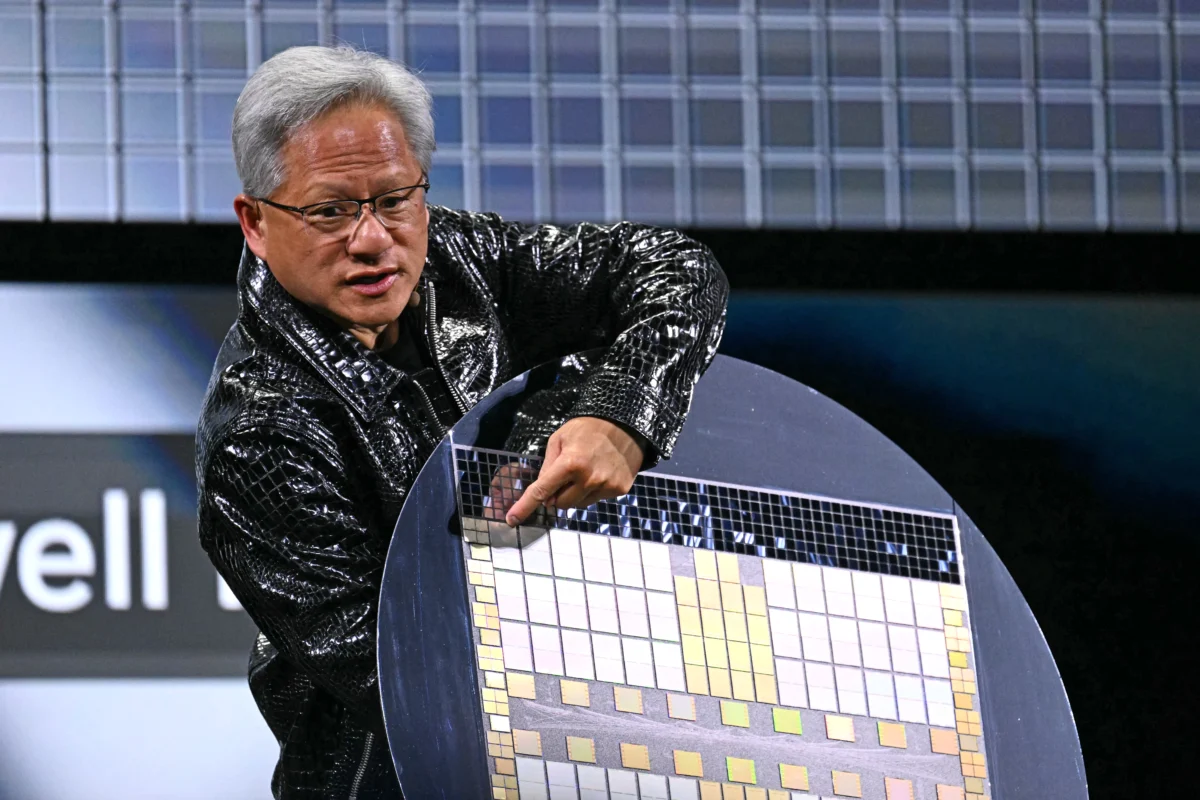
Reports indicate that the board of directors at Nvidia, a titan of the semiconductor industry, is actively considering the removal of its chief executive officer, Jensen Huang. This potential leadership transition surfaces in the wake of deeply concerning allegations of impropriety, including a second alleged extramarital affair, this time reportedly with a senior executive within the company who directly reports to him. These revelations follow closely on the heels of Huang’s own acknowledgment of a prior relationship, which had previously triggered internal scrutiny and external reporting.
The unfolding narrative surrounding Jensen Huang, the visionary co-founder and long-serving CEO of Nvidia, has taken a dramatic and potentially company-altering turn. The global technology landscape, deeply reliant on Nvidia’s groundbreaking advancements in artificial intelligence and high-performance computing, is now closely observing the internal deliberations of its board. Sources suggest that the company’s governing body is poised to convene imminently to deliberate on Huang’s tenure, a decision that could reshape the future trajectory of one of the world’s most influential technology firms.
A Cascade of Allegations and Internal Scrutiny
The latest wave of reports, emanating from reputable journalistic outlets, paints a picture of escalating ethical and professional concerns within Nvidia’s executive suite. The core of the current controversy centers on allegations of a second extramarital affair involving Jensen Huang. Unlike previous reports, this alleged relationship is said to have been with an executive who falls under Huang’s direct managerial purview. This detail introduces a significant layer of complexity, raising questions about power dynamics, corporate governance, and the potential for conflicts of interest within the company’s hierarchical structure.
These new claims follow swiftly on the heels of Huang’s own admission regarding a separate affair. The initial reports concerning this prior relationship had already initiated an internal investigation, underscoring the gravity of the situation. The company had engaged the services of former U.S. Attorney Joon H. Kim and his esteemed legal firm, Wachtell, Lipton, Rosen & Katz, to conduct a thorough review of the circumstances. However, the latest developments suggest that the board may not be inclined to await the full conclusion of this investigation before taking decisive action.
The alleged second affair, as detailed in recent reports, reportedly involved Kimberly Powell, Nvidia’s Vice President of Health Care. The accounts suggest that the two individuals may have been observed engaging in intimate behavior during Nvidia’s Global Technology Conference (GTC) in March. The GTC is a pivotal event for the company, serving as a crucial platform for product announcements, developer engagement, and strategic vision sharing. Any suggestion of impropriety occurring during such a high-profile corporate gathering only amplifies the reputational and operational risks for Nvidia.
Nvidia’s Strategic Significance and Leadership Stability
Nvidia’s position in the global technology ecosystem is nothing short of paramount. The company’s graphical processing units (GPUs) have become the indispensable engine powering the artificial intelligence revolution, driving advancements in everything from autonomous vehicles and scientific research to data centers and consumer electronics. The demand for Nvidia’s chips has surged exponentially, propelling the company to unprecedented financial success and market capitalization. In such a critical and rapidly evolving sector, leadership stability is not merely a corporate governance concern; it is a strategic imperative.
Jensen Huang has been instrumental in guiding Nvidia’s evolution from a graphics card manufacturer to a dominant force in AI hardware and software. His vision and leadership have been widely credited with the company’s remarkable ascent. Therefore, any disruption at the CEO level, particularly one stemming from ethical allegations, carries significant implications not only for Nvidia’s internal operations and employee morale but also for its partnerships, investor confidence, and its ability to maintain its competitive edge in a fiercely contested market.

Corporate Governance and Ethical Frameworks
The allegations against Jensen Huang bring into sharp focus the critical role of robust corporate governance and stringent ethical frameworks within publicly traded companies, especially those operating at the forefront of technological innovation. Boards of directors are entrusted with the fiduciary responsibility of safeguarding shareholder interests, which includes ensuring that executive leadership adheres to the highest standards of conduct. In situations involving potential conflicts of interest, abuse of power, or violations of company policy, boards are obligated to act decisively to protect the integrity and reputation of the organization.
The reported involvement of a senior executive in an alleged affair with her direct superior raises specific governance red flags. Such relationships can create an environment susceptible to favoritism, compromise objective decision-making, and undermine the trust and fairness expected within the workplace. Investigations into such matters typically examine not only the personal conduct of the individuals involved but also the company’s internal policies, the effectiveness of its reporting mechanisms, and the board’s oversight processes.
Potential Ramifications and Industry Impact
The potential dismissal of Jensen Huang would undoubtedly send ripples throughout the technology industry. His departure would create a leadership vacuum at a company that is currently at the epicenter of global technological development. The search for a successor, should it become necessary, would be a complex undertaking, requiring an individual with the vision, technical acumen, and leadership experience to navigate Nvidia’s intricate operations and ambitious future roadmap.
Furthermore, the news could impact investor sentiment towards Nvidia and potentially broader market confidence in the AI sector. While the company’s fundamental technological strengths remain, leadership uncertainty can introduce volatility. Competitors may seek to capitalize on any perceived instability, intensifying the competitive pressures that Nvidia already faces.
The situation also serves as a cautionary tale regarding the intense scrutiny that high-profile technology leaders face. In an era of pervasive digital communication and heightened public awareness, personal conduct can have swift and significant professional repercussions. Companies are increasingly aware of the reputational risks associated with executive misconduct, and boards are under pressure to demonstrate a commitment to accountability and ethical leadership.
Looking Ahead: Navigating Uncertainty
As Nvidia’s board convenes to deliberate on Jensen Huang’s future, the company stands at a critical juncture. The outcome of these discussions will have far-reaching consequences for Nvidia’s strategic direction, its corporate culture, and its standing within the global technology landscape. The swiftness with which the board is reportedly considering action suggests a recognition of the urgency and severity of the allegations.
The coming days and weeks will be crucial in determining the leadership of one of the world’s most consequential technology companies. The focus will remain on how Nvidia’s board navigates these complex ethical and governance challenges, ensuring that any decisions made prioritize the long-term health, integrity, and continued innovation of the organization. The industry, investors, and employees will be watching closely for clarity and decisive action from the company’s leadership.




 Lisa Mariana