
 Aura Kasih
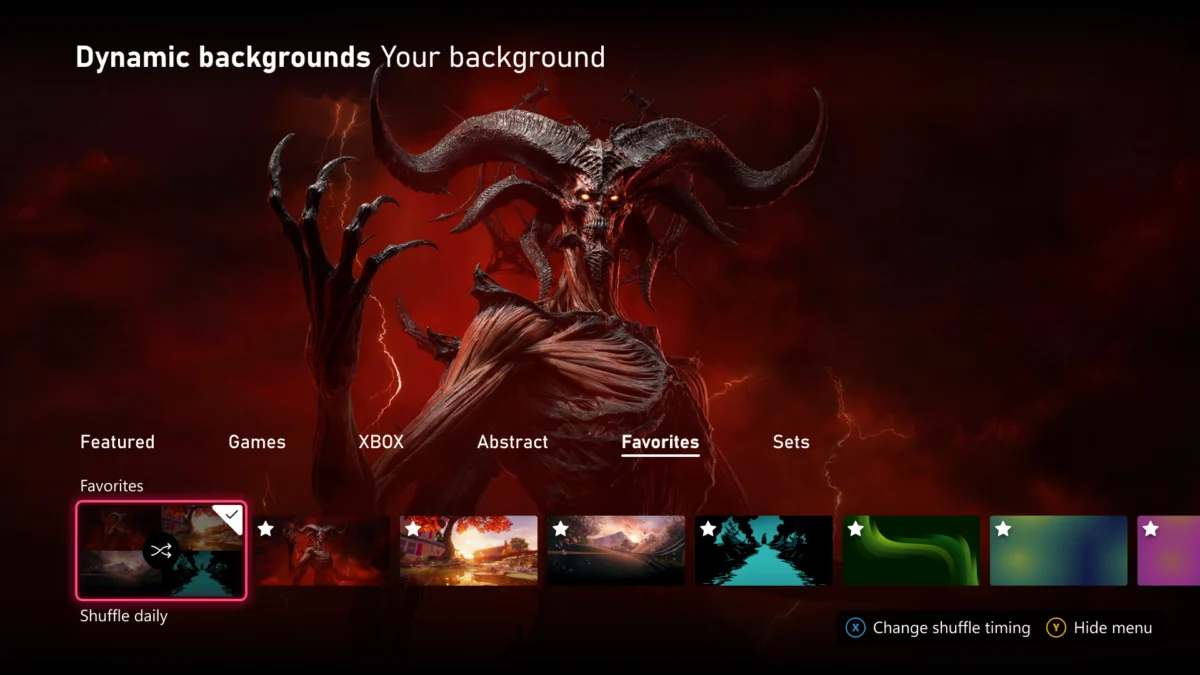
Microsoft is actively rolling out a significant suite of user interface enhancements for Xbox consoles, beginning with its Insider program. This latest wave of updates introduces greater personalization through dynamic and rotating backgrounds, a more streamlined approach to managing digital game libraries, and the highly anticipated ability to reposition the system’s Guide menu. These changes signify Microsoft’s ongoing commitment to refining the Xbox ecosystem, offering users a more tailored and efficient gaming experience.
The introduction of dynamic and rotating backgrounds represents a substantial leap in visual customization for the Xbox dashboard. Previously, users were largely confined to static image selections or a limited array of dynamic themes. Now, with the ability to curate a personal collection of favorite dynamic backgrounds and enable an automatic shuffle function, the console’s visual identity can evolve dynamically. This feature allows for backgrounds to change upon sign-in, or at set intervals such as hourly, daily, or weekly, transforming the console’s home screen into a perpetually fresh visual canvas. This level of personalization goes beyond mere aesthetics; it allows users to align their gaming environment with their mood, the games they are currently playing, or even the time of day, fostering a deeper connection with their gaming hardware. The implications extend to brand engagement, as developers could potentially integrate dynamic backgrounds tied to specific game launches or in-game events, creating a more immersive pre-game experience.
Complementing the visual upgrades is a substantial improvement in digital game library organization, particularly for titles obtained through the "disc-to-digital" program. Xbox Insiders will now find these games categorized separately within their digital library. This dedicated section addresses a long-standing organizational challenge for players who have transitioned their physical game collections to digital licenses. The ability to view these titles distinctly simplifies library management, making it easier to track owned digital games and potentially identify any discrepancies. Furthermore, the option to hide the digital license icon on game tiles offers an additional layer of visual decluttering, allowing users to present a cleaner and more focused view of their game library. This move demonstrates Microsoft’s responsiveness to player feedback and its dedication to providing robust tools for managing increasingly expansive digital game collections. In an era where digital ownership is paramount, such organizational refinements are crucial for user satisfaction and long-term engagement.

Perhaps the most functionally impactful change for a segment of users is the introduction of the option to reposition the Xbox Guide menu. Traditionally anchored to the left-hand side of the screen, the Guide menu is now being tested with an alternative placement on the right. This move is particularly significant for users who may have accessibility needs or simply prefer a different ergonomic layout for their console interface. For instance, individuals who primarily use their Xbox with a steering wheel setup for racing games, or those who have specific monitor arrangements, might find this right-aligned Guide menu to be a more intuitive and comfortable interaction point. This demonstrates a thoughtful consideration for diverse user preferences and potential hardware configurations, moving beyond a one-size-fits-all approach to interface design. The inclusion of this option, initially available to Alpha Skip-Ahead members and slated for broader rollout, underscores Microsoft’s strategy of iterative testing and gradual implementation of user-driven features.
The strategic deployment of these features through the Xbox Insider Program is a hallmark of Microsoft’s development philosophy. By engaging a dedicated community of testers, the company can gather invaluable feedback, identify potential bugs, and refine the user experience before a wider public release. This collaborative approach ensures that the final product is more polished and aligned with the expectations of the broader Xbox player base. The tiered rollout, starting with the most engaged Insiders and gradually expanding, allows for a controlled and efficient integration of new functionalities.
The long-term implications of these updates are multifaceted. For individual users, the enhanced customization and organizational tools contribute to a more personal and efficient gaming environment, fostering greater satisfaction and potentially increasing the time spent interacting with the console. For the Xbox platform as a whole, these refinements contribute to a more competitive and appealing ecosystem, demonstrating a commitment to innovation and user-centric design. In a market increasingly defined by personalized experiences and seamless integration, Microsoft’s proactive approach to refining the Xbox interface positions it favorably.

Looking ahead, these developments suggest a continued focus on user personalization and interface flexibility. The success of these new background and Guide menu options could pave the way for further interface customization, potentially allowing users to rearrange or even hide other dashboard elements. The improved library management also hints at ongoing efforts to simplify the digital ownership experience, which will be crucial as game libraries continue to grow exponentially. As the gaming landscape evolves, Microsoft’s commitment to iterative improvement and responsiveness to player feedback will be key to maintaining the Xbox’s strong position in the market. The current wave of updates is not merely a cosmetic overhaul; it represents a strategic enhancement of the core Xbox experience, aiming to make every interaction more intuitive, personal, and ultimately, more enjoyable for every player.




 Lisa Mariana