
 Ayu Aulia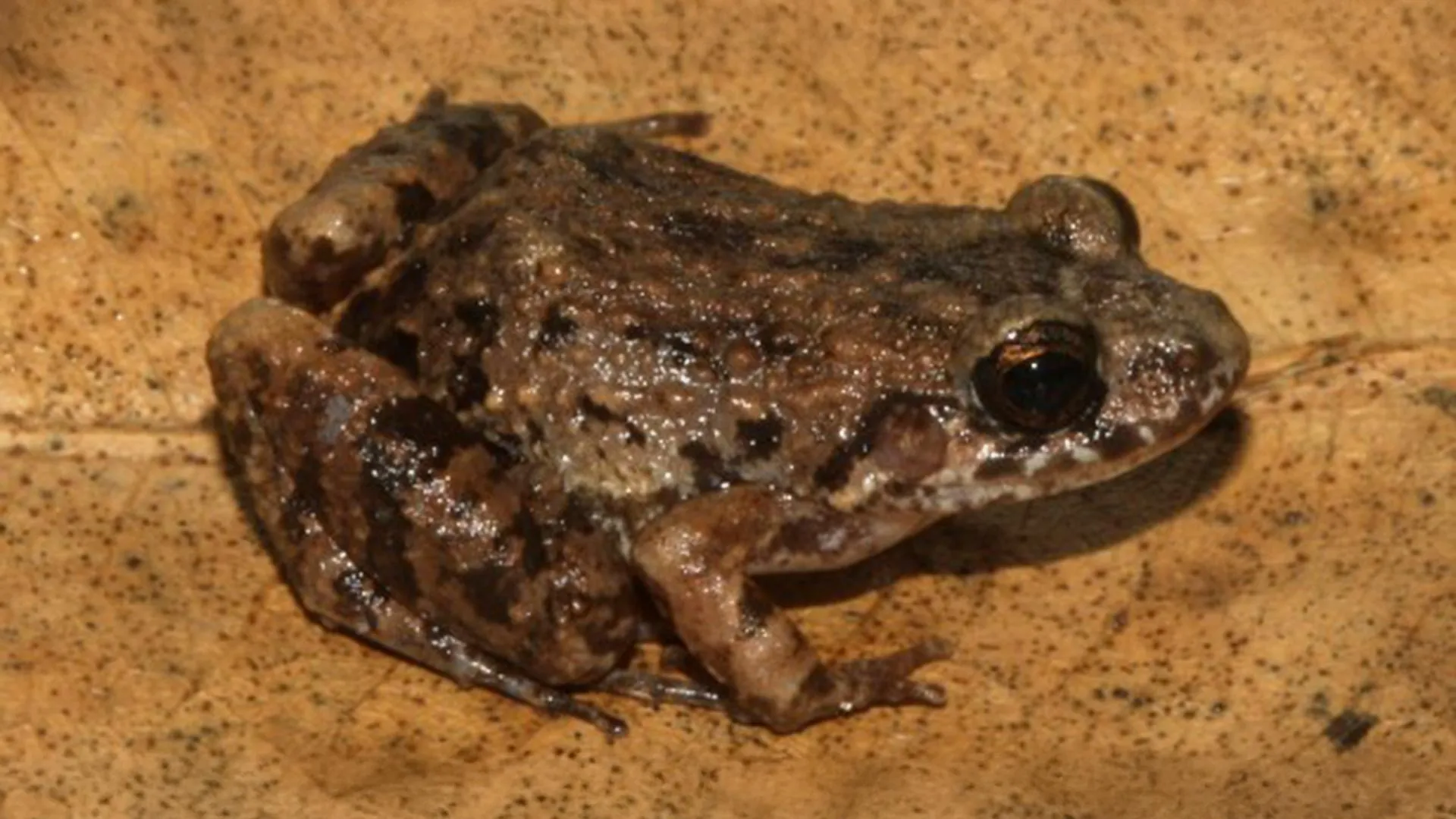
The recent identification of a previously unknown frog, Adenomera varcena, inhabiting the seasonally inundated forests of the western Amazon, underscores the vast, uncatalogued biodiversity of the region and highlights the critical role of advanced taxonomic methods in distinguishing cryptic species. This discovery not only enriches the scientific understanding of Neotropical amphibian diversity but also casts light on the urgent challenges confronting conservation efforts in one of the planet’s most biodiverse, yet rapidly changing, ecosystems. The meticulous process of distinguishing A. varcena from its close relatives exemplifies the evolving sophistication in biodiversity research, moving beyond mere morphological comparison to integrate genetic, acoustic, and ecological data.
The Amazon rainforest, a colossal reservoir of biological diversity, continues to yield new species at a remarkable pace, a testament to its immense ecological complexity and the relatively underexplored nature of many of its vast territories. Despite centuries of scientific inquiry, a significant portion of its flora and fauna remains uncatalogued, existing beyond the purview of formal scientific description. This phenomenon, often referred to as the "Linnean shortfall," is particularly pronounced among smaller, less conspicuous organisms, such as amphibians. The discovery of Adenomera varcena adds to the growing body of evidence suggesting that the true biological richness of the Amazon is far greater than current estimates reflect, with many species concealing their distinct identities through morphological similarity to known relatives.
This newly described amphibian belongs to the genus Adenomera, a group typically associated with the drier, terra firme forests of South America. The unexpected finding of A. varcena within the unique ecological niche of seasonally flooded forests, known locally as várzea, challenges established assumptions regarding the habitat preferences and ecological adaptability of this genus. Várzea forests are dynamic environments, characterized by their annual inundation cycles driven by the ebb and flow of major river systems. These cycles create a distinct suite of selective pressures, fostering specialized adaptations in the species that inhabit them. The presence of A. varcena in such a specialized environment suggests a deeper evolutionary history and a broader range of ecological diversification within Adenomera than previously understood.
The identification of Adenomera varcena was not a straightforward process, illustrating the complexities inherent in modern taxonomy, especially when dealing with cryptic species. Cryptic diversity refers to groups of organisms that are morphologically indistinguishable or nearly so, yet represent distinct evolutionary lineages. For A. varcena, researchers employed a multi-faceted approach, combining classical taxonomic methods with cutting-edge molecular and bioacoustic analyses. Genetic sequencing, specifically DNA barcoding and phylogenetic analysis, provided conclusive evidence of a distinct evolutionary lineage. This molecular data was corroborated by detailed comparisons of physical characteristics (morphology), subtle though they might be. One notable morphological differentiator identified was the absence of a dark spot on the underside of its forearm, a minute detail that nonetheless proved taxonomically significant.
Crucially, bioacoustics played a pivotal role in distinguishing A. varcena. Amphibian mating calls are species-specific and act as vital cues for reproductive isolation, even among visually similar species. The research team meticulously analyzed the acoustic properties of the frog’s call, revealing a unique signature characterized by a slow rhythm and specific temporal and spectral characteristics. This distinctive vocalization served as a key identifier, separating A. varcena from its closely related congeners whose calls, while similar to the untrained ear, possess distinct variations detectable through specialized analysis. The integration of these diverse lines of evidence – genetic, morphological, and acoustic – underscores the rigorous scientific standard required to formally describe new species in the era of cryptic diversity.
The research leading to this discovery was a collaborative effort, involving prominent scientists from leading Brazilian institutions, including São Paulo State University (UNESP) and the Federal University of Minas Gerais (UFMG), both affiliated with the Center for Research on Biodiversity Dynamics and Climate Change (CBioClima), a FAPESP-funded Research, Innovation, and Dissemination Center (RIDC). This network of collaboration extended to other institutions, demonstrating the collaborative spirit essential for large-scale biodiversity research in expansive and challenging environments like the Amazon. Field expeditions to the Upper Juruá River region in western Acre, near the Moa and Crôa rivers, were instrumental in collecting the initial specimens and ecological data that formed the bedrock of this study.
The ecological implications of this discovery are profound. The finding of A. varcena in várzea forests, contrary to the typical dryland habitat of its genus, suggests a remarkable adaptive radiation within Adenomera. This adaptation to seasonally flooded environments implies a specialized life history strategy, likely including unique reproductive timings and behaviors synchronized with the annual flood pulse. Understanding these ecological requirements is paramount, especially in the context of global climate change. Alterations to seasonal flooding patterns, whether through changes in rainfall regimes or deforestation-induced hydrological shifts, could profoundly impact the survival and reproductive success of species like A. varcena that are intricately tied to these cycles.
While the precise ecological requirements and life history of Adenomera varcena are still under investigation, the potential vulnerability to environmental change is a significant concern. Changes in the timing, duration, or intensity of seasonal floods could disrupt critical reproductive periods or alter habitat availability, posing an existential threat to this newly identified species. This highlights a broader challenge in conservation: the rapid pace of habitat degradation often outstrips the capacity of scientific research to even identify, let alone understand, the species residing within these threatened ecosystems. Species can, and often do, disappear before they are ever formally recognized by science, rendering them "invisible" to conservation policies and legal protections.
This predicament underscores the critical importance of taxonomy and formal species description as fundamental tools for conservation. An undescribed species exists in a legal and environmental limbo; it cannot be listed as endangered, its habitat cannot be specifically protected based on its presence, and its role in ecosystem function remains unacknowledged. The formal naming and description of Adenomera varcena thus serve as more than just an academic exercise; it provides a foundational step towards its potential protection and inclusion in biodiversity assessments and conservation strategies. This "race against time," as many taxonomists describe it, involves accelerating the documentation of biodiversity before irreversible losses occur.
Beyond immediate conservation concerns, the discovery of A. varcena contributes significantly to our understanding of evolutionary biology. The divergence of an Adenomera lineage into a specialized várzea inhabitant provides a compelling case study for investigating adaptive evolution in Neotropical amphibians. Further research into its evolutionary history, population genetics, and comparative ecology with its terra firme relatives could reveal important insights into speciation processes and the factors driving biodiversity in complex tropical landscapes. The researchers also noted evidence of numerous other undescribed Adenomera lineages, suggesting that the genus holds many more taxonomic secrets, hinting at a much richer evolutionary tapestry waiting to be unraveled across the Amazon basin.
The ongoing efforts to catalog Brazil’s extraordinary biodiversity face formidable challenges, not least the escalating rates of habitat destruction driven by agricultural expansion, logging, and infrastructure development. The formal description of new species, while vital, is merely the initial step in a comprehensive conservation strategy. It must be followed by detailed ecological studies, population monitoring, and the integration of scientific findings into effective policy and land management practices. The case of Adenomera varcena serves as a poignant reminder of both the incredible biodiversity still hidden within the Amazon and the profound urgency of scientific exploration and conservation action required to protect these irreplaceable natural treasures for future generations. The collaborative, multi-disciplinary approach employed in its discovery provides a powerful model for future endeavors to explore, understand, and safeguard the planet’s remaining biodiversity hotspots.




 Lisa Mariana
 Aura Kasih


 Safa Marwah