Aura Kasih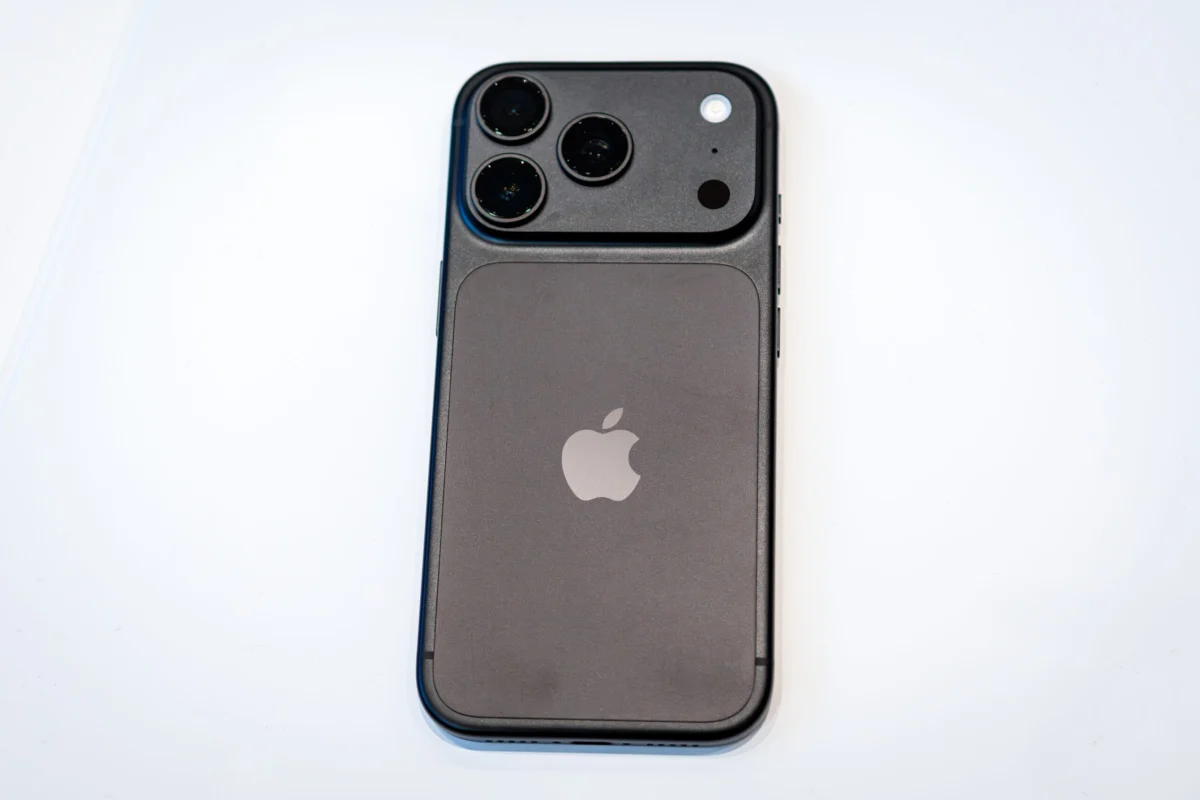
After a notable hiatus, Apple has heeded the calls of its discerning consumer base by reinstating a classic black finish to its flagship iPhone Pro series, signaling a return to foundational aesthetics for its most premium devices. This strategic decision marks a significant shift from recent color palettes, which prioritized vibrancy and distinctiveness, potentially alienating a segment of users who favor understated elegance and timeless design.

The omission of a black or dark gray option in the iPhone 17 Pro generation, a staple since the inception of the Pro line with the iPhone 11 Pro in 2019, sparked considerable discussion among technology enthusiasts and loyal Apple customers. While the preceding year’s offerings, including a striking "Cosmic Orange," a gleaming "Silver," and a deep "Blue," undoubtedly showcased Apple’s commitment to aesthetic innovation, they represented a departure from the brand’s established monochromatic roots. For a significant portion of the iPhone Pro user demographic, the absence of a familiar, sophisticated dark hue was a tangible void.
The enduring appeal of a black iPhone transcends mere personal preference; it represents a philosophy of design that prioritizes subtlety and versatility. This preference often stems from a desire for a device that seamlessly integrates into various personal styles and professional environments, without demanding undue attention. Unlike more adventurous color choices, black provides a neutral canvas, allowing users to express their individuality through accessories and customization rather than the device’s inherent finish. The historical precedent of black iPhones, from the early models through the matte and jet black iterations, solidified its status as the quintessential professional and sophisticated choice. The iPhone 6 era, with its experimental foray into gold, serves as a cautionary tale for some, highlighting the potential for aesthetic choices to become sources of regret over time. The subsequent return to darker tones, such as the matte black on the iPhone 7, and the consistent availability of black or gray finishes in subsequent Pro models, underscored the market’s strong preference for these classic options.

The current iPhone 16 Pro, clad in its black titanium finish and paired with a complementary dark case and home screen, stands as a testament to the enduring appeal of this sophisticated aesthetic. While the immediate need for an upgrade may not be pressing for all users, the anticipation surrounding the upcoming iPhone 18 Pro lineup is palpable, particularly concerning the reintroduction of the black variant. The annual pilgrimage to Apple Stores in September, a ritual for many, will undoubtedly see a renewed focus on the obsidian option, overshadowing potentially bolder, albeit less universally appealing, color introductions like burgundy or even the classic silver.
This strategic reintroduction of black to the iPhone Pro lineup is more than a cosmetic adjustment; it reflects a deeper understanding of market segmentation and consumer psychology. Apple’s ability to cultivate a loyal user base is intrinsically linked to its capacity to cater to diverse preferences, even within its premium product tiers. The Pro line, by definition, is aimed at users who demand the utmost in performance, features, and, crucially, design. The historical dominance of black and space gray finishes within this segment suggests that while innovation in color is welcome, it should not come at the expense of established, highly desired aesthetics.

The return of black is likely to resonate strongly with professionals, creatives, and anyone who values a discreet yet powerful technological companion. In business settings, a black iPhone conveys a sense of professionalism and seriousness, avoiding the distraction that more flamboyant colors might introduce. For creatives, the neutral palette allows their work – be it photography, videography, or graphic design – to take center stage, with the device serving as a tool rather than a statement piece.
Beyond personal preference, the choice of color can also influence the perceived value and longevity of a device. While vibrant colors may appeal to a segment of the market seeking novelty, they can sometimes feel dated more quickly. A classic black finish, on the other hand, possesses a timeless quality, ensuring that the device retains its sophisticated appearance and desirability for a longer period. This is particularly relevant for high-value purchases like iPhones, where consumers often seek a device that will remain aesthetically pleasing and relevant for its entire lifespan.

Furthermore, the reintroduction of black may also be a strategic move to counter the increasing competition in the premium smartphone market. As other manufacturers offer a wider array of sophisticated finishes, Apple’s decision to bring back a beloved classic allows it to reinforce its own premium positioning and appeal to a broader spectrum of potential buyers. It demonstrates an attentiveness to market trends and, more importantly, to the direct feedback from its most dedicated customers.
The implications of this decision extend to Apple’s broader product strategy. It suggests a potential recalibration of how the company approaches color across its device portfolio. While bold colors may continue to feature in the standard iPhone lineup, the Pro models might increasingly serve as a platform for more refined, enduring design choices. This differentiation could further solidify the Pro models’ identity as the ultimate expression of Apple’s technological and aesthetic prowess.

Looking ahead, the success of the black iPhone 18 Pro will likely be closely monitored. If it proves to be a significant driver of sales and customer satisfaction, it could pave the way for other classic finishes or a more nuanced approach to color customization across future product generations. The potential for variations within the black spectrum – perhaps a return of a deep, lustrous jet black or a more textured matte finish – could further excite consumers and offer additional avenues for personalization.
The question that now arises is whether this renewed appreciation for understated elegance will extend to other product categories. In a world increasingly saturated with bright and bold designs, the quiet confidence of a classic black finish offers a compelling counterpoint. Apple’s decision to bring back the black iPhone Pro is not merely a return to tradition; it is a strategic affirmation of enduring design principles and a testament to the power of listening to its most loyal audience. It is a move that underscores the company’s understanding that true premium appeal often lies not in the flashiest of options, but in the timeless elegance of a perfectly executed classic. The obsidian enigma, once again, commands attention through its very refusal to be ostentatious, proving that sometimes, the most powerful statements are the most subtle.




 Safa Marwah
 Ayu Aulia