Ayu Aulia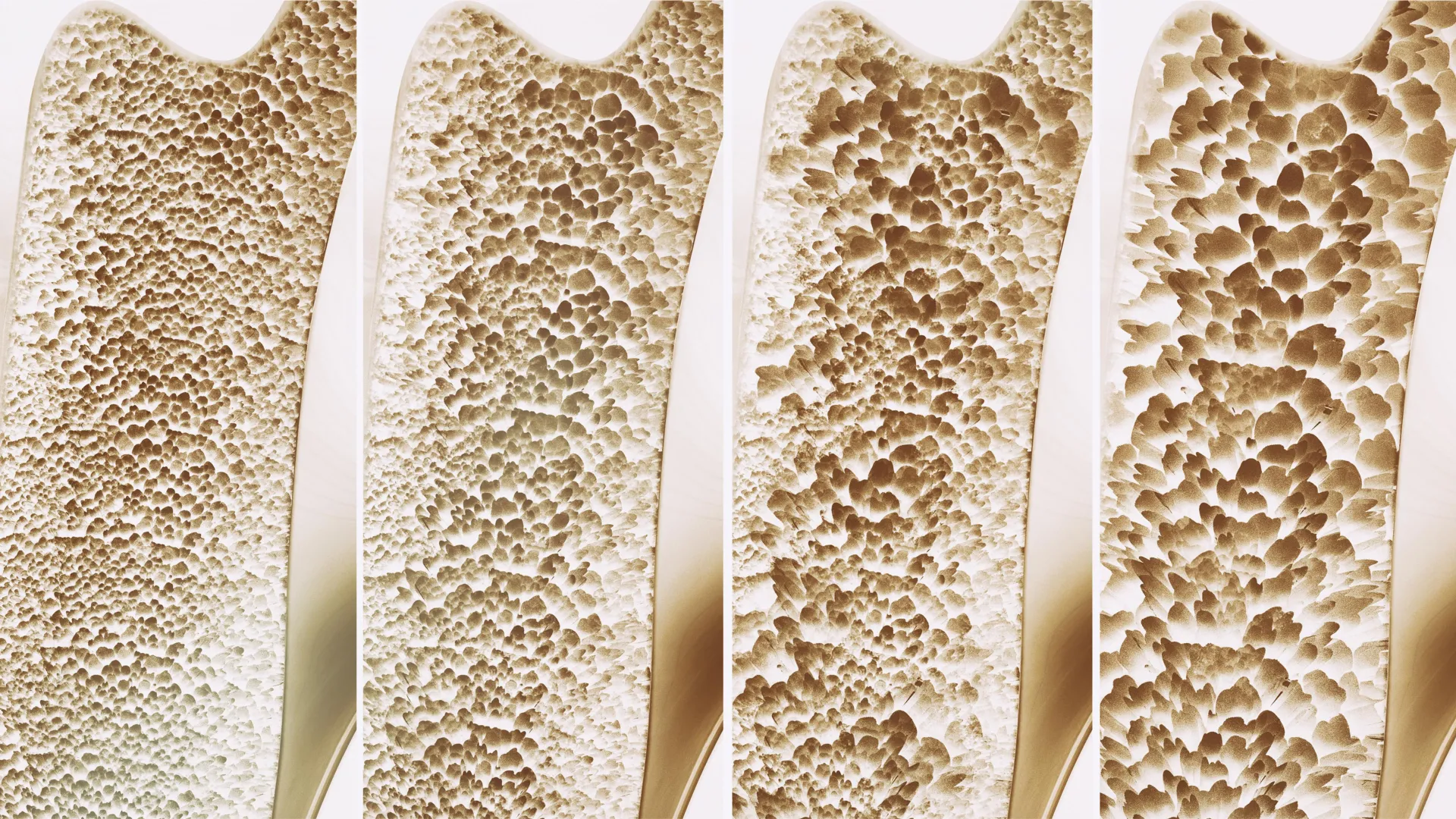
A groundbreaking investigation has unveiled a previously underappreciated biological target, GPR133, which demonstrates profound potential in reversing the degenerative effects of osteoporosis and bolstering overall musculoskeletal integrity. This discovery offers a promising new avenue for therapeutic intervention, moving beyond current limitations to address a condition that afflicts millions globally, particularly women, by orchestrating a fundamental shift in the body’s bone remodeling equilibrium.
The Global Challenge of Osteoporosis
Osteoporosis stands as a formidable public health challenge, characterized by diminished bone density and structural integrity, rendering the skeleton highly susceptible to debilitating fractures. This silent epidemic impacts an estimated 200 million individuals worldwide, with its prevalence projected to escalate as global populations age. In nations such as Germany, approximately six million people grapple with this condition, a disproportionate number of whom are women, particularly in the post-menopausal phase. The clinical ramifications extend beyond physical pain and immobility, encompassing reduced quality of life, increased healthcare expenditures, and, in severe cases, heightened mortality rates. Current pharmacological strategies, while effective to varying degrees, often present a spectrum of limitations, including potential adverse side effects, contraindications for long-term administration, and varying patient responses. These inherent challenges underscore an urgent and persistent demand for innovative therapeutic paradigms capable of safely and effectively preserving or rebuilding bone mass over extended periods, thereby mitigating fracture risk and improving patient outcomes.
The Search for Novel Biological Targets
The pursuit of advanced treatments for chronic conditions like osteoporosis invariably leads scientific inquiry towards the identification and validation of novel biological targets. These targets, typically proteins or signaling pathways within the body, offer potential points of intervention where drugs can precisely modulate physiological processes. Existing therapies primarily function by either inhibiting bone resorption (e.g., bisphosphonates) or stimulating bone formation (e.g., parathyroid hormone analogs). However, the intricate biology of bone remodeling, coupled with the systemic nature of many treatments, necessitates a continuous exploration for more refined and specific mechanisms. It is within this context that researchers at Leipzig University have made a significant stride, pinpointing GPR133, a heretofore understudied receptor, as a critical nexus for maintaining robust skeletal architecture. This identification represents a departure from conventional approaches, signaling a potential paradigm shift in osteo-therapeutic development.
Introducing GPR133: An Adhesion G Protein-Coupled Receptor
GPR133 belongs to the diverse and complex family of adhesion G protein-coupled receptors (aGPCRs). These receptors are distinguished by their expansive extracellular domains, which enable them to interact with components of the extracellular matrix and receive signals from the cellular microenvironment. Unlike classical GPCRs, which are primarily activated by small molecules or peptides, aGPCRs are thought to respond to mechanical forces, cell-cell interactions, and larger protein ligands, acting as crucial intermediaries in tissue development, maintenance, and repair. Despite their ubiquitous presence across various cell types and their evident involvement in fundamental biological processes, the precise physiological roles and activation mechanisms of many aGPCRs, including GPR133, have remained largely enigmatic until recently. The current findings significantly advance our understanding of GPR133, positioning it as a pivotal regulator within the intricate machinery governing bone health. The investigation suggests that this receptor acts as a finely tuned sensor, translating environmental cues into intracellular signals that directly influence the equilibrium of bone metabolism.
Genetic Impairment and Therapeutic Stimulation
The significance of GPR133 in maintaining skeletal integrity was initially illuminated through genetic studies. Professor Ines Liebscher, the lead investigator from the Rudolf Schönheimer Institute of Biochemistry at the Faculty of Medicine, articulated the critical observation: "If this receptor is impaired by genetic changes, mice show signs of loss of bone density at an early age – similar to osteoporosis in humans." This direct correlation between GPR133 dysfunction and osteoporotic phenotypes in murine models provided compelling evidence for its physiological relevance. Building upon this foundational insight, the research team then explored the therapeutic potential of GPR133 activation. Utilizing AP503, a compound recently identified through sophisticated computer-assisted screening as a selective stimulator of GPR133, the investigators observed remarkable improvements. Administration of AP503 led to a "significant increase in bone strength" in experimental mice, a crucial finding replicated in both healthy subjects and those exhibiting induced osteoporotic bone loss. This dual efficacy in preventing and potentially reversing bone degradation underscores the robust therapeutic promise of targeting GPR133.
The Intricacies of Bone Remodeling and GPR133’s Role
To fully appreciate the impact of GPR133, it is essential to delve into the dynamic process of bone remodeling. Bone tissue is not static; it undergoes continuous renewal orchestrated by two primary cell types: osteoblasts and osteoclasts. Osteoblasts are the bone-forming cells, responsible for synthesizing and depositing new bone matrix, leading to mineralization and structural strengthening. Conversely, osteoclasts are the bone-resorbing cells, which break down and remove old or damaged bone tissue. A healthy skeleton maintains a delicate and meticulously regulated balance between these two opposing activities. In conditions like osteoporosis, this equilibrium is disrupted, with bone resorption often outstripping bone formation, leading to progressive bone loss. The groundbreaking aspect of the GPR133 discovery lies in its ability to favorably shift this balance. When activated, GPR133 initiates a cascade of intracellular signaling events that concurrently enhance the proliferative and synthetic activities of osteoblasts while attenuating the resorptive functions of osteoclasts. This dual modulatory action represents a highly efficient mechanism for promoting net bone accretion and fostering the development of more robust and resilient bone structures.
AP503: A Mimetic of Natural Activation
The compound AP503 emerges as a critical component of this therapeutic strategy. Its identification via advanced computational screening methodologies highlights the power of modern drug discovery techniques. The mechanism by which AP503 operates appears to mimic the natural physiological processes that typically activate GPR133, suggesting it could serve as an exogenous switch to initiate the receptor’s beneficial effects. This capability opens significant possibilities for clinical application. Specifically, AP503 could be developed as a pharmaceutical agent to proactively increase bone strength in individuals at risk or to therapeutically restore bone mass in those already experiencing skeletal weakening. One particularly salient application lies in the management of osteoporosis associated with menopause. The dramatic decline in estrogen levels during this period significantly accelerates bone loss in women, making them highly vulnerable to fractures. A targeted intervention like AP503, which directly promotes bone formation and inhibits resorption, could offer a potent and specific countermeasure to this hormonally driven bone degeneration, potentially offering a more tolerable and effective long-term solution than some current options.
Synergistic Benefits: Bone and Muscle Strengthening
Beyond its direct impact on skeletal tissue, the research reveals a potentially transformative synergistic benefit: AP503’s capacity to influence skeletal muscle strength. An earlier study conducted by the same Leipzig University team had already established that activation of GPR133 via AP503 resulted in enhanced skeletal muscle function. This dual-tissue effect is profoundly significant, as osteoporosis frequently co-occurs with sarcopenia, the age-related loss of muscle mass and strength. This concurrent decline in both bone and muscle tissues, often termed the "osteosarcopenic syndrome," significantly exacerbates frailty, increases the risk of falls, and severely compromises mobility and independence in older adults. Dr. Juliane Lehmann, the lead author of the current study, underscored this broader implication: "The newly demonstrated parallel strengthening of bone once again highlights the great potential this receptor holds for medical applications in an aging population." A therapeutic agent capable of simultaneously addressing both bone and muscle deterioration would represent a substantial leap forward in geriatric medicine, offering a holistic approach to preserving physical function and quality of life for an increasingly elderly global demographic.
The Interconnected Musculoskeletal Unit
The observed parallel strengthening of bone and muscle by GPR133 activation provides compelling evidence for the concept of the musculoskeletal unit, where these two tissues are not merely anatomically adjacent but physiologically interdependent. Strong muscles exert appropriate mechanical forces on bones, stimulating osteoblast activity and maintaining bone density, a phenomenon known as Wolff’s Law. Conversely, robust bones provide a stable anchor for muscle attachments, enabling efficient force transmission and movement. A decline in one tissue often precipitates or accelerates the deterioration of the other. Therefore, a therapeutic strategy that concurrently targets both components of this integrated system is inherently more effective and physiologically rational. Such an intervention would not only reduce the direct risk of osteoporotic fractures but also enhance overall physical stability, balance, and mobility, thereby profoundly mitigating the broader spectrum of age-related functional decline and associated morbidity. The potential for AP503 to foster this comprehensive musculoskeletal resilience distinguishes it as a particularly promising candidate for future therapeutic development.
Future Directions and Research Trajectory
The groundbreaking nature of these findings has propelled the Leipzig team into several follow-up projects designed to comprehensively elucidate the functional intricacies of GPR133. Future research endeavors will focus on dissecting the precise molecular signaling pathways downstream of GPR133 activation, identifying its natural physiological ligands, and understanding its nuanced role across various bone cell types and stages of development. Furthermore, the team is actively investigating the broader pharmacological profile of AP503, exploring its potential utility in other disease contexts beyond osteoporosis and sarcopenia, given the widespread expression and diverse functions attributed to adhesion GPCRs across different organ systems. These investigations will include detailed preclinical studies to assess long-term efficacy, safety, optimal dosing regimens, and potential off-target effects. The ultimate objective is to translate these foundational discoveries into clinically viable therapies, moving from murine models to human trials with rigorous scrutiny and validation.
Leipzig University’s Leadership in GPCR Research
The discovery emanating from Leipzig University is not an isolated event but rather a testament to a sustained and focused commitment to pioneering research in the field of adhesion G protein-coupled receptors. For over a decade, the university has been at the forefront of this specialized domain, notably through its Collaborative Research Center 1423, titled "Structural Dynamics of GPCR Activation and Signaling." This long-standing program is dedicated to unraveling the fundamental mechanisms by which these complex receptors sense their environment, undergo conformational changes upon activation, and subsequently transmit critical signals within cells. The concentrated expertise, state-of-the-art facilities, and collaborative intellectual environment fostered within this center have established Leipzig University as an internationally recognized leader in aGPCR research. This institutional legacy of excellence provides a robust foundation for the continued exploration of GPR133 and other related receptors, promising further breakthroughs that could redefine therapeutic strategies for a multitude of human diseases. The depth of understanding cultivated over years positions the Leipzig team uniquely to navigate the complexities of GPR133, from basic molecular biology to its profound implications for human health.
Conclusion
In conclusion, the identification of GPR133 as a novel "bone-building switch" and the validation of AP503 as its potent activator represent a significant scientific achievement with far-reaching therapeutic implications. By offering a precise mechanism to rebalance bone remodeling towards formation and simultaneously strengthen skeletal muscle, this research paves the way for a new generation of treatments that could fundamentally alter the trajectory of osteoporosis and age-related musculoskeletal decline. This discovery not only promises improved outcomes for millions suffering from bone fragility but also underscores the enduring value of fundamental biological research in addressing pressing global health challenges. The ongoing investigations at Leipzig University hold the promise of transforming this initial breakthrough into tangible clinical solutions, thereby enhancing the health, mobility, and independence of aging populations worldwide.



 Aura Kasih
 Safa Marwah