
 Ayu Aulia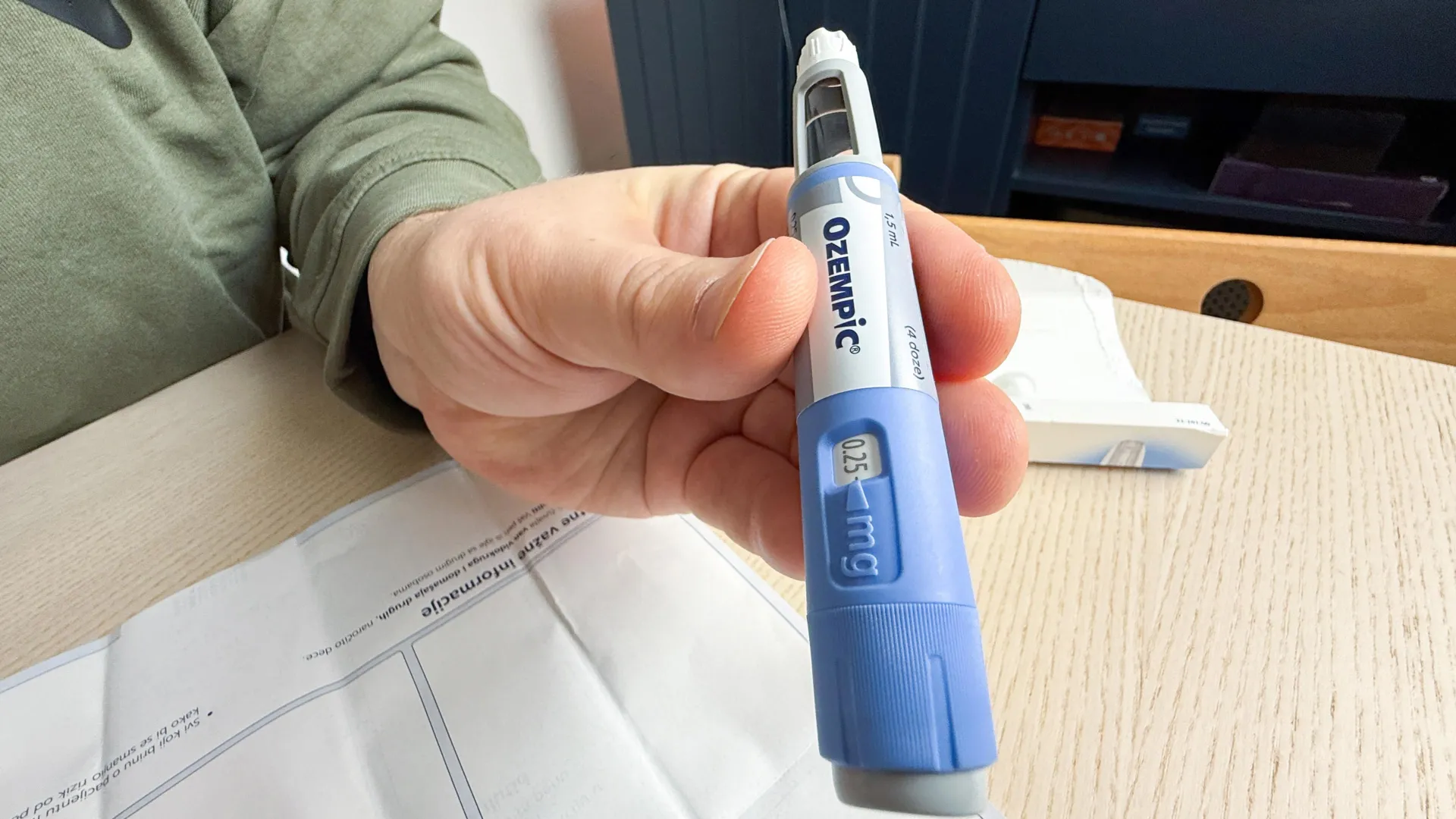
Recent pharmacological investigations suggest that a class of medications primarily recognized for their efficacy in metabolic regulation, namely glucagon-like peptide-1 receptor agonists (GLP-1RAs), may possess previously unrecognized benefits for mental health, particularly within the complex landscape of bipolar disorder. This emerging evidence underscores a potential paradigm shift in understanding the intricate interconnections between metabolic and neurological health.
Bipolar disorder, a chronic and severe mental illness characterized by dramatic mood swings ranging from manic highs to depressive lows, affects approximately 37 million individuals globally, according to the latest World Health Organization estimates. Its profound impact extends beyond mood dysregulation, frequently presenting with significant comorbidities. Among these, metabolic disorders such as type 2 diabetes and obesity are notably prevalent, occurring at disproportionately higher rates in individuals with bipolar disorder compared to the general population. This frequent co-occurrence has long prompted scientific inquiry into shared underlying biological mechanisms, spanning areas such as chronic inflammation, oxidative stress, mitochondrial dysfunction, and neurotrophic factor imbalances, all of which are implicated in both psychiatric and metabolic pathologies. The therapeutic implications of addressing these shared pathways simultaneously have remained a compelling, yet largely unfulfilled, area of medical exploration.
GLP-1RAs, including well-known compounds such as semaglutide (marketed as Ozempic and Wegovy), liraglutide, and dulaglutide, have established themselves as cornerstone treatments for type 2 diabetes, primarily by enhancing glucose-dependent insulin secretion, suppressing glucagon release, and slowing gastric emptying. Their more recent application and remarkable success in weight management, through central effects on appetite regulation and satiety, have further expanded their clinical utility. Despite their widespread adoption and accumulating data on their systemic effects, the potential for these agents to modulate psychiatric outcomes, particularly in conditions like bipolar disorder, has historically been less clear, residing largely within theoretical frameworks and anecdotal observations.
A substantial and methodologically rigorous investigation has now shed considerable light on this intriguing connection. Researchers, leveraging comprehensive nationwide Swedish health registries, conducted an extensive analysis involving nearly 15,000 individuals diagnosed with bipolar disorder who had been prescribed GLP-1RAs over a span of 15 years. This large-scale, real-world data approach offered a robust platform to examine long-term associations between medication use and clinical outcomes, circumventing some of the limitations inherent in smaller, localized studies.
The findings from this extensive cohort study were particularly noteworthy. The analysis revealed a statistically significant reduction in rates of psychiatric hospitalization among individuals with bipolar disorder who were concurrently receiving semaglutide. Specifically, periods during which patients were taking semaglutide were associated with a 21 percent lower risk of psychiatric hospitalization when compared to periods when these same individuals were not on GLP-1 medications. This internal comparison, utilizing a within-subject design, lends considerable weight to the observed association, mitigating potential confounding factors often encountered in observational research. This outcome suggests a potential neuroprotective or mood-stabilizing effect attributable to semaglutide, extending its therapeutic profile beyond its established metabolic benefits. Such a finding is highly significant, given that psychiatric hospitalizations represent a critical marker of disease severity and instability in bipolar disorder, profoundly impacting patient quality of life and imposing substantial burdens on healthcare systems. The identification of a pharmacological agent that could potentially reduce these events offers a promising new avenue for enhancing disease management and improving long-term prognosis.
The potential mechanisms underpinning semaglutide’s apparent mental health benefits are a subject of intense scientific interest and offer fertile ground for future research. GLP-1 receptors are not exclusively confined to pancreatic beta cells or the gastrointestinal tract; they are also expressed in various regions of the central nervous system, including the hypothalamus, hippocampus, and brainstem, areas intimately involved in mood regulation, cognition, and stress responses. This direct presence suggests that GLP-1RAs could exert central effects that contribute to neuropsychiatric modulation.
One leading hypothesis centers on the anti-inflammatory properties of GLP-1 signaling. Chronic low-grade inflammation is increasingly recognized as a key pathophysiological component of bipolar disorder, contributing to neuronal damage, neurotransmitter dysregulation, and impaired neuroplasticity. Semaglutide, through its interaction with GLP-1 receptors, may attenuate systemic and neuroinflammation, thereby mitigating one of the core biological drivers of mood instability and relapse. Furthermore, GLP-1RAs have been shown to reduce cellular stress and oxidative stress, both of which are elevated in individuals with bipolar disorder and contribute to neuronal vulnerability. By enhancing cellular resilience and protecting against oxidative damage, semaglutide could potentially foster greater brain health and stability.
Another crucial consideration is the drug’s impact on metabolic pathways within the brain. Bipolar disorder is frequently associated with mitochondrial dysfunction and alterations in brain energy metabolism. GLP-1RAs have demonstrated effects on improving glucose utilization and mitochondrial efficiency, which could translate into more stable energy supply for neuronal function, potentially contributing to greater mood stability and cognitive improvements. The gut-brain axis also presents a compelling pathway; GLP-1RAs influence gut motility and may modulate the gut microbiome, which in turn can impact brain function, inflammation, and neurotransmitter synthesis, thereby indirectly influencing mood and psychiatric resilience.
It is important to note, however, that the observed mental health benefits were not uniformly evident across all GLP-1RAs examined in the study. Specifically, liraglutide and dulaglutide did not demonstrate a comparable association with a reduced risk of psychiatric hospitalization. This differential effect is a critical detail, suggesting that any potential neuropsychiatric benefit may not be a class-wide phenomenon but rather specific to semaglutide or agents with similar pharmacological profiles. This specificity could arise from several factors: variations in receptor binding affinity, differences in brain penetration (lipophilicity), half-life, or other pharmacokinetic and pharmacodynamic properties unique to semaglutide. For instance, semaglutide’s longer half-life allows for once-weekly dosing, maintaining more stable plasma concentrations compared to daily or less frequent dosing regimens of other GLP-1RAs. This sustained receptor activation could be critical for exerting neuroprotective effects over time. Further comparative studies are essential to elucidate these nuanced differences and pinpoint the precise molecular features that confer semaglutide its unique neuropsychiatric potential.
The implications of these findings are far-reaching. If validated, the repurposing of semaglutide for a novel indication in bipolar disorder could represent a significant therapeutic advancement. Current treatments for bipolar disorder, while effective for many, often come with a range of side effects, including metabolic disturbances such as weight gain and insulin resistance, which can exacerbate existing comorbidities and impact long-term adherence. A medication that not only manages metabolic health but also confers direct psychiatric benefits would be invaluable. It could lead to a more holistic treatment approach, simultaneously addressing the physical and mental health challenges faced by individuals with bipolar disorder, potentially improving overall prognosis and quality of life. Moreover, reducing the frequency of psychiatric hospitalizations would translate into substantial cost savings for healthcare systems, alleviating some of the immense economic burden associated with managing severe mental illness.
Despite the compelling nature of this observational data, the scientific community emphasizes the crucial next step: the execution of randomized controlled trials (RCTs). While large observational studies provide valuable insights into real-world effectiveness and generate hypotheses, they cannot definitively establish causality. Confounding factors, even with sophisticated statistical adjustments, can never be entirely ruled out in such designs. RCTs, with their rigorous methodology involving random assignment to treatment or placebo groups, are considered the gold standard for determining cause-and-effect relationships. Such trials would be instrumental in providing definitive evidence regarding semaglutide’s direct impact on psychiatric outcomes in bipolar disorder, independently of its metabolic effects.
Future research directions extend beyond mere validation. Investigators will need to explore optimal dosing strategies for achieving psychiatric benefits, which may differ from those used for diabetes or weight loss. Long-term safety and efficacy in a population already prone to complex polypharmacy will also require meticulous evaluation. Furthermore, research into identifying specific biomarkers that predict response to semaglutide in bipolar disorder could pave the way for personalized medicine approaches. Comparative studies against existing mood stabilizers and antipsychotics would also be critical to position semaglutide within the current therapeutic landscape. The potential for GLP-1RAs to impact other psychiatric conditions, particularly those with strong metabolic links such as major depressive disorder or schizophrenia, also warrants exploration.
In conclusion, the emerging evidence suggesting that semaglutide may offer an unexpected mental health benefit for individuals with bipolar disorder marks a pivotal moment in neuropsychiatric pharmacology. While the observational nature of the current study necessitates further rigorous investigation through randomized controlled trials, the findings open a promising new chapter in understanding the intricate biological interplay between metabolic health and mental well-being. Should these initial associations be confirmed, GLP-1 receptor agonists, particularly semaglutide, could emerge as a transformative therapeutic modality, offering a novel, dual-action approach to improving outcomes for a patient population in critical need of more effective and holistic treatment strategies. This represents a significant step towards integrating physical and mental healthcare, recognizing that the health of the body and mind are inextricably linked.




 Lisa Mariana
 Aura Kasih


 Safa Marwah