
 Ayu Aulia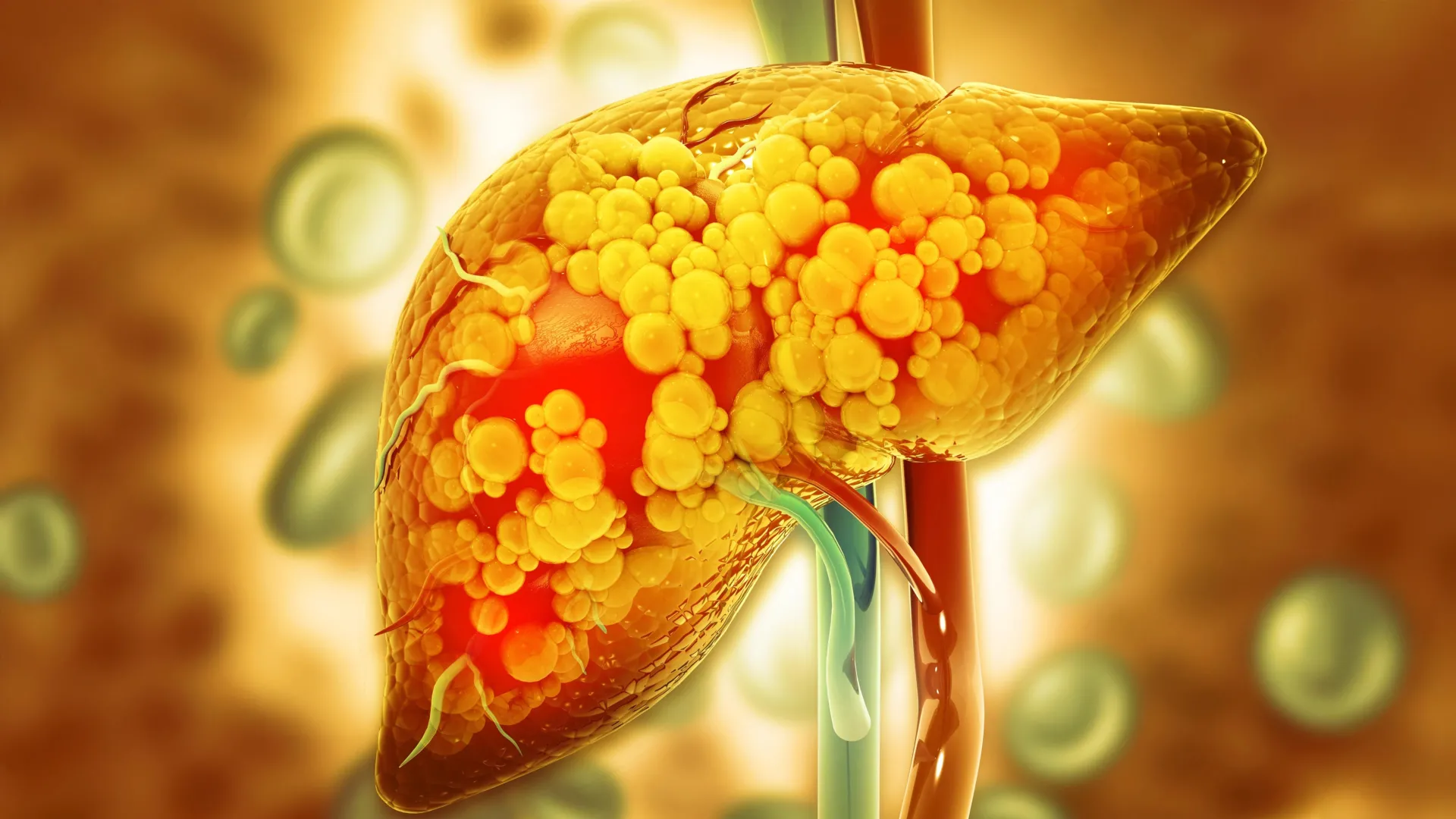
A recent clinical investigation has illuminated distinct metabolic benefits associated with a very low-carbohydrate, high-fat dietary approach, particularly for individuals managing obesity and prediabetes. The study, published in a leading Cell Press journal, indicated that participants adhering to a ketogenic diet experienced a substantial reduction in liver fat and a remarkable improvement in prediabetic status, surpassing outcomes observed with Mediterranean or low-fat dietary interventions, even when weight loss was equivalent across groups. This research offers compelling evidence that specific dietary composition can confer significant metabolic advantages beyond the mere reduction of body mass, challenging conventional dietary wisdom and opening new avenues for therapeutic intervention in widespread metabolic disorders.
The global prevalence of obesity, prediabetes, and non-alcoholic fatty liver disease (NAFLD) represents a formidable public health challenge. NAFLD, characterized by excessive fat accumulation in the liver, affects a substantial portion of the adult population and can progress to more severe conditions like non-alcoholic steatohepatitis (NASH), cirrhosis, and even liver cancer. Prediabetes, a precursor to type 2 diabetes, signifies impaired glucose regulation and carries an elevated risk of cardiovascular disease. While weight loss is a universally accepted cornerstone of therapy for these conditions, the efficacy of different dietary strategies in achieving specific metabolic improvements has remained a subject of extensive debate and research. This recent trial sought to differentiate the metabolic impacts of three popular dietary regimens—ketogenic, Mediterranean, and low-fat plant-forward—under controlled conditions where overall weight loss was meticulously matched across groups.
Samuel Klein, a leading expert and the corresponding author of the study at Washington University School of Medicine in St. Louis, Missouri, underscored the importance of the findings. "While we have long understood that weight loss improves metabolic health in obese individuals, our data now strongly suggest that for those with high liver fat content and prediabetes, a targeted reduction in carbohydrate intake can yield profound therapeutic effects on metabolism that extend beyond the benefits attributable solely to weight reduction," Klein stated. This distinction is critical, implying that the quality and composition of calories, not just the quantity, play a pivotal role in specific metabolic pathways.
Dissecting Popular Dietary Approaches
The landscape of dietary recommendations for weight management and metabolic health is diverse, often leading to confusion among both clinicians and the public. Three prominent dietary models were selected for comparison in this trial due to their popularity and distinct macronutrient profiles.
The ketogenic diet, often referred to as the "Keto" diet, is characterized by a drastic reduction in carbohydrate intake, typically to less than 50 grams per day, and a concomitant increase in fat consumption. This metabolic shift induces a state of ketosis, where the body primarily burns fat for fuel, producing ketones as an alternative energy source. Historically, ketogenic diets have been utilized in medical contexts for managing epilepsy, but their application in weight loss and metabolic health has gained considerable traction in recent decades. It can include foods rich in saturated fat, such as animal products, which has often been a point of contention in broader dietary guidelines.
The Mediterranean diet emphasizes whole, unprocessed foods, with a focus on vegetables, fruits, legumes, nuts, seeds, whole grains, and olive oil as the primary fat source. It includes moderate amounts of fish and dairy, with red meat consumed sparingly. This diet is widely lauded for its association with cardiovascular health benefits and longevity, representing a balanced approach to macronutrient intake.
The low-fat, plant-forward diet is characterized by a significant reduction in dietary fat and a high intake of carbohydrates, often derived from whole grains, fruits, and vegetables. This approach has historically been a cornerstone of official dietary guidelines in many Western countries, based on the premise that dietary fat contributes disproportionately to weight gain and cardiovascular disease.
These three diets present stark contrasts in their macronutrient distribution, providing a robust framework for comparative analysis. A ketogenic diet might derive as little as 4% of its energy from carbohydrates and over 70% from fat, whereas a low-fat diet could see carbohydrates constitute up to 70% of total energy, with fat as low as 15%. The Mediterranean diet typically falls in between, with a moderate carbohydrate and fat intake.
Rigorous Clinical Methodology
To meticulously compare the effects of these diets, Klein and his research team orchestrated a carefully controlled clinical trial involving 42 participants. All enrolled individuals shared common characteristics: obesity, prediabetes, and fatty liver disease. The participants were randomly assigned to one of the three dietary arms: ketogenic, Mediterranean, or low-fat, plant-forward. A critical element of the study’s design was the provision of all food by the research team. This stringent control mechanism ensured precise adherence to the assigned dietary composition and calorie targets for each participant, minimizing confounding factors related to food choices and preparation. Furthermore, weekly consultations with a registered dietitian provided consistent support and guidance, reinforcing adherence and addressing any challenges participants faced.
The researchers implemented a crucial methodological adjustment: calorie intake was individually tailored for each participant to ensure a uniform weight loss target of approximately 10% of their initial body weight across all three groups. This strategy was pivotal, as it allowed the researchers to isolate the metabolic effects attributable to diet composition, rather than simply the magnitude of weight loss. Achieving this 10% weight reduction typically took between four to five months for the participants.
By the conclusion of the study period, all diet groups demonstrated significant improvements in key metabolic parameters. Participants across the ketogenic, Mediterranean, and plant-forward groups achieved comparable and substantial reductions in overall body fat. Crucially, insulin sensitivity, a measure of how effectively the body’s cells respond to insulin to control blood sugar, also improved across all three dietary interventions. These findings reaffirm the well-established principle that weight loss, regardless of the dietary approach, yields broad metabolic benefits. However, the subsequent analysis revealed nuanced and distinct advantages conferred by the ketogenic diet.
Unprecedented Reduction in Hepatic Steatosis
Despite the comparable overall weight loss and improvements in general insulin sensitivity across all dietary groups, the ketogenic diet emerged as a clear leader in generating the most pronounced changes in several critical measures of liver and metabolic health. The most striking finding was the dramatic reduction in liver fat content. Participants adhering to the ketogenic diet experienced an average decrease of 67% in liver fat. This figure stood in stark contrast to the average reduction of 45% observed in both the Mediterranean and the low-fat, plant-forward groups. This substantial difference highlights a specific and powerful effect of carbohydrate restriction on hepatic lipid metabolism.
The clinical significance of a 67% reduction in liver fat is profound. Such a decrease can not only reverse NAFLD but also significantly mitigate the risk of progression to more aggressive forms of liver disease, including NASH and fibrosis. This finding positions the ketogenic diet as a potentially highly effective therapeutic tool for managing and reversing fatty liver disease, a condition for which treatment options are often limited to general lifestyle modifications.
To further elucidate the mechanisms behind these observed differences, the research team meticulously tracked participants’ metabolism over a 24-hour period through repeated blood analyses. This detailed metabolic profiling revealed additional physiological distinctions. Individuals in the ketogenic group exhibited the largest rise in glucagon, a hormone produced by the pancreas that counteracts insulin by promoting glucose production and fat breakdown, thereby helping to reduce fat stored in the liver. Concurrently, the ketogenic group also displayed the greatest decline in blood insulin levels compared to participants following the other two diets. Lower insulin levels are also directly implicated in reducing hepatic fat accumulation, as insulin is a potent stimulator of fat synthesis and storage in the liver. These hormonal shifts provide a compelling mechanistic explanation for the superior liver fat reduction observed in the ketogenic cohort.
An unexpected and particularly noteworthy finding, highlighted by Max Petersen, the study’s first author at Washington University School of Medicine, was the absence of an increase in blood fat or cholesterol levels among participants in the ketogenic diet group. This observation occurred despite their significantly higher intake of dietary fat. This challenges a long-held conventional concern regarding high-fat diets and their potential adverse effects on cardiovascular health, suggesting that in the context of very low carbohydrate intake and subsequent metabolic adaptations, the body’s lipid handling may differ substantially. The precise mechanisms behind this lack of adverse lipid changes warrant further investigation but could involve improved triglyceride clearance, altered lipoprotein metabolism, or other compensatory responses to ketosis.
Transformative Impact on Prediabetes
Beyond the significant improvements in liver health, the ketogenic diet also demonstrated a superior impact on the resolution of prediabetes. Following the intensive weight loss intervention, approximately 50% of participants adhering to the ketogenic diet no longer met the clinical criteria for prediabetes. This remarkable rate of remission significantly outpaced the other groups, with only 29% of those on the Mediterranean diet and a mere 7% of those following the plant-forward diet achieving the same outcome.
This differential impact on prediabetes remission underscores the potent glucose-lowering effects inherent in a very low-carbohydrate approach. By drastically reducing carbohydrate intake, the ketogenic diet minimizes post-prandial glucose spikes and subsequently reduces the demand on insulin production, potentially allowing the pancreatic beta cells to recover and improve insulin sensitivity. For individuals at high risk of progressing to type 2 diabetes, these findings offer a powerful dietary strategy for disease prevention and reversal.
Petersen further elaborated on the broader implications, drawing a parallel with pharmacological advancements. "GLP-1-based medications have undoubtedly revolutionized the therapy of obesity, offering highly effective pharmacological avenues for significant weight loss," he noted. "However, our study distinctly demonstrates that the specific composition of one’s diet can provide substantial added benefits, even when achieving similar levels of weight loss. This suggests a powerful synergy between lifestyle and pharmaceutical interventions, or even the potential for dietary strategies to serve as a primary therapeutic approach in certain contexts."
Broader Implications and Future Trajectories
The findings of this clinical trial carry significant implications for the future of metabolic disease management and dietary guidance. They suggest that a one-size-fits-all approach to diet may be insufficient, particularly for individuals struggling with specific metabolic derangements like fatty liver disease and prediabetes. The study provides strong evidence that carbohydrate restriction, as embodied by the ketogenic diet, offers distinct and potent therapeutic advantages in these populations, independent of overall weight loss.
This research may prompt a re-evaluation of long-standing dietary recommendations that have historically demonized dietary fat while promoting high carbohydrate intake. The observation that a high-fat, very low-carbohydrate diet did not adversely affect blood lipid profiles in this cohort is particularly compelling and necessitates further investigation into the nuances of dietary fat metabolism in different physiological states.
While the results are promising, several considerations remain. The study was conducted under highly controlled conditions, with all food provided and close dietitian supervision. Adherence to a strict ketogenic diet in real-world settings can be challenging for many individuals due to its restrictive nature. Therefore, future research must explore the long-term sustainability and real-world efficacy of such dietary interventions.
Further studies are also warranted to identify specific biomarkers or genetic predispositions that might predict an individual’s response to different dietary approaches. The concept of personalized nutrition, where dietary recommendations are tailored to an individual’s unique genetic makeup, metabolic profile, and lifestyle, is gaining traction. This trial contributes valuable data to this emerging field, suggesting that for certain metabolic conditions, a ketogenic approach may be particularly beneficial.
Moreover, investigating the long-term health outcomes associated with sustained ketogenic diets is crucial. While short-term metabolic benefits are evident, the impact on cardiovascular health, bone density, and micronutrient status over many years requires comprehensive study. The potential for dietary interventions to work synergistically with pharmacological treatments for obesity and metabolic syndrome also presents a fertile area for future research.
In conclusion, this rigorous clinical trial provides compelling evidence for the superior metabolic benefits of a ketogenic diet in reducing liver fat and reversing prediabetes in individuals with obesity, even when compared to other popular diets achieving similar weight loss. By meticulously controlling for confounding variables and delving into mechanistic insights, the study underscores that dietary composition is a powerful determinant of metabolic health outcomes. This research represents a significant advancement in our understanding of dietary efficacy, paving the way for more targeted and effective nutritional strategies in the fight against metabolic diseases.




 Lisa Mariana
 Aura Kasih


 Safa Marwah