Aura Kasih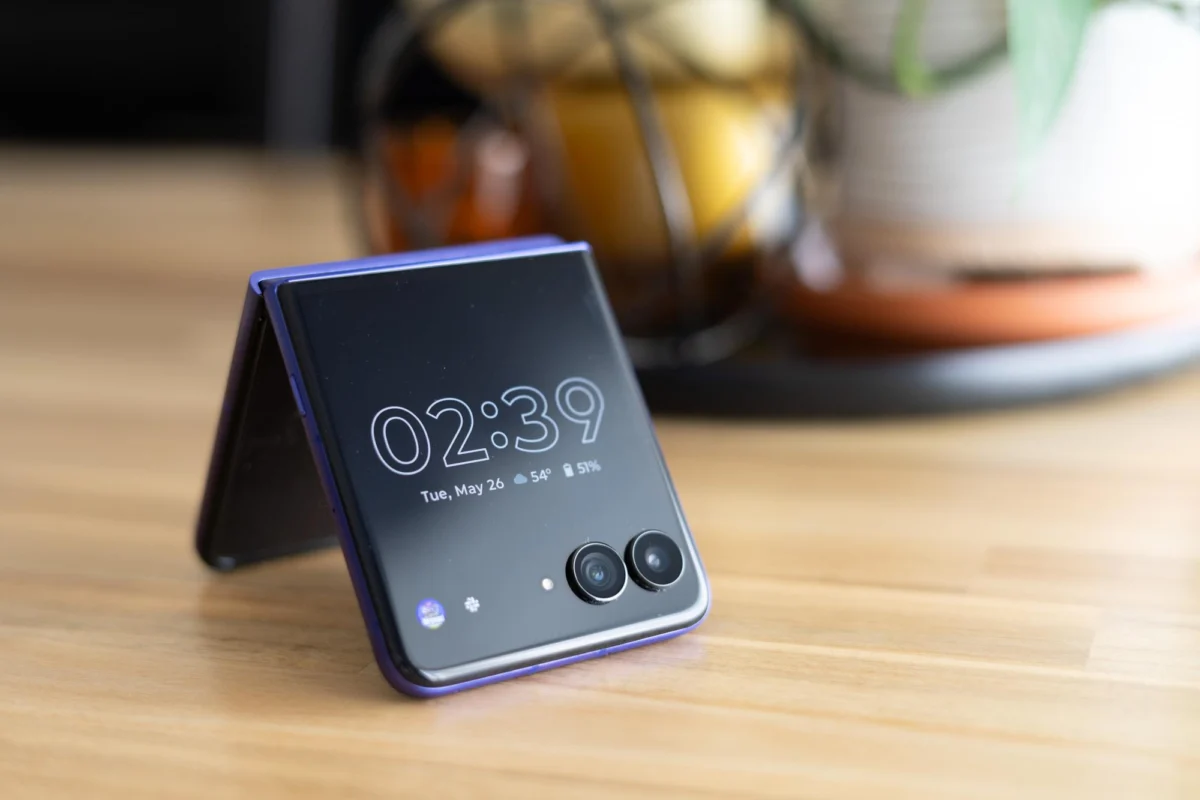
The GrapheneOS Foundation has officially announced its intention to extend official support to a select range of Motorola smartphones, beginning with their flagship models and subsequently incorporating their popular Razr line of foldable devices. This development is particularly noteworthy as it will introduce GrapheneOS to the foldable form factor for the first time, offering users of these cutting-edge devices an unparalleled level of privacy and security. The foundation’s commitment to stringent hardware requirements has historically limited its official support to a curated selection of devices, making this expansion a testament to Motorola’s advancements in hardware security and GrapheneOS’s evolving porting strategies.
For years, GrapheneOS has been synonymous with the highest standards of mobile security, meticulously vetting hardware to ensure it meets their rigorous specifications. The operating system, an open-source fork of Android, strips away Google’s proprietary services and implements a suite of hardening features designed to mitigate a wide array of attack vectors. Historically, support has been confined to Google’s own Pixel line, a decision driven by the tight integration and robust security features inherent in Pixel hardware, such as the Titan M security chip. The announcement of support for Motorola devices signifies a significant diversification of GrapheneOS’s hardware base, driven by a mutual interest in bolstering mobile device security.
According to recent communications from the GrapheneOS Foundation, this year’s Motorola flagship and Razr models have demonstrated a remarkable proximity to meeting the foundation’s demanding criteria. While these devices are noted to be "very close to meeting our requirements," they currently exhibit certain limitations regarding mature support for hardware memory tagging and secure element integration. These specific features are crucial for GrapheneOS’s comprehensive security architecture, enabling advanced memory protection and the secure isolation of sensitive cryptographic operations. The foundation anticipates that upcoming generations of Qualcomm Snapdragon 8 Elite processors will possess the necessary capabilities to satisfy these stringent hardware prerequisites. Consequently, GrapheneOS is targeting Motorola’s 2027 model releases, which are expected to incorporate these advanced chipsets, for the initial rollout of official support.
This forward-looking strategy underscores GrapheneOS’s commitment to leveraging the latest advancements in mobile hardware security. The inclusion of foldable devices like the Razr and Razr Ultra represents a significant technological leap, as these form factors introduce unique engineering challenges and potential vulnerabilities. GrapheneOS’s willingness to tackle these complexities highlights the growing demand for secure mobile solutions that do not compromise on innovative design. The prospect of a privacy-hardened flip phone, a device category often associated with simpler functionality and thus implicitly perceived as more secure, running GrapheneOS, could resonate strongly with a segment of the market seeking both advanced features and robust security.
The GrapheneOS Foundation has previously indicated that its initial foray into supporting Motorola hardware would focus on premium devices that offer a superior hardware security posture compared to even high-end Pixel phones, albeit at a higher price point. This strategic prioritization ensures that the foundational work and porting efforts are concentrated on devices that provide the most fertile ground for implementing GrapheneOS’s advanced security features. While the roadmap includes eventual support for more affordable Motorola devices, this expansion is contingent upon several factors. Foremost among these is the availability of improved security features in Qualcomm’s lower-tier chipsets, enabling comparable levels of hardware-based protection. Additionally, Motorola’s commitment to providing extended software support, specifically a minimum of seven years of updates for these more budget-friendly models, is a critical prerequisite. This contrasts with the current update policies of many mid-range devices, such as this year’s $499.99 Moto G Stylus, which typically offers a more limited lifespan of major OS upgrades and security patches.

The genesis of this collaboration between GrapheneOS and Motorola was publicly revealed in March, with both entities expressing a shared objective to "strengthen smartphone security." This partnership signifies a departure from GrapheneOS’s long-standing exclusive support for Google’s Pixel devices. The decision to broaden its hardware support is not a repudiation of the Pixel line; indeed, GrapheneOS has confirmed ongoing plans to support future Pixel generations, including the anticipated Pixel 11 series. However, the foundation has also noted a growing complexity in maintaining optimal support for Pixel devices due to evolving changes within the Android Open Source Project (AOSP). These changes, while beneficial for the broader Android ecosystem, can inadvertently create additional hurdles for highly specialized operating systems like GrapheneOS.
In contrast to the challenges with Pixel device support, the GrapheneOS Foundation has lauded Motorola’s proactive engagement in the porting process. The foundation stated that Motorola is "doing a large portion of the work of porting GrapheneOS to their devices," a sentiment that underscores a strong collaborative spirit and a shared investment in the success of this initiative. This level of manufacturer involvement is a significant factor in enabling GrapheneOS to expand its reach to new hardware platforms. It suggests a deep commitment from Motorola to enhancing the security and privacy offerings of its devices, moving beyond conventional Android security paradigms.
The implications of GrapheneOS’s expansion into the Motorola ecosystem are far-reaching. For privacy-conscious consumers, it presents a wider array of hardware choices that align with their security priorities. The availability of GrapheneOS on premium foldables, in particular, addresses a niche but growing market segment that demands both cutting-edge technology and uncompromising privacy. This move could also set a precedent for other smartphone manufacturers, encouraging them to prioritize hardware security features that are essential for advanced operating systems like GrapheneOS. The long-term benefits include a more robust and secure mobile landscape, where users have greater agency over their data and digital well-being.
Furthermore, this collaboration could catalyze further innovation in mobile hardware security. As GrapheneOS continues to push the boundaries of what is possible in mobile device security, its requirements will inevitably drive the development of new security technologies within chipsets and device architectures. The focus on features like hardware memory tagging and secure element integration indicates a trajectory towards more sophisticated and resilient mobile security solutions. The partnership with Motorola, a company known for its diverse product portfolio, suggests that these advancements could eventually trickle down to a wider range of devices, democratizing access to enhanced mobile security.
The future outlook for GrapheneOS on Motorola devices appears promising, with a clear phased approach that prioritizes robust hardware and manufacturer commitment. The anticipation for the next generation of Qualcomm chipsets underscores the symbiotic relationship between software and hardware innovation in the mobile space. As GrapheneOS continues to evolve and adapt to the ever-changing threat landscape, its expansion onto diverse and advanced hardware platforms like Motorola’s foldables represents a critical step in its mission to provide users with the most secure mobile experience available. This strategic alliance not only benefits end-users seeking heightened privacy but also contributes to the broader advancement of mobile security standards across the industry.



 Lisa Mariana
 Safa Marwah
 Ayu Aulia