Aura Kasih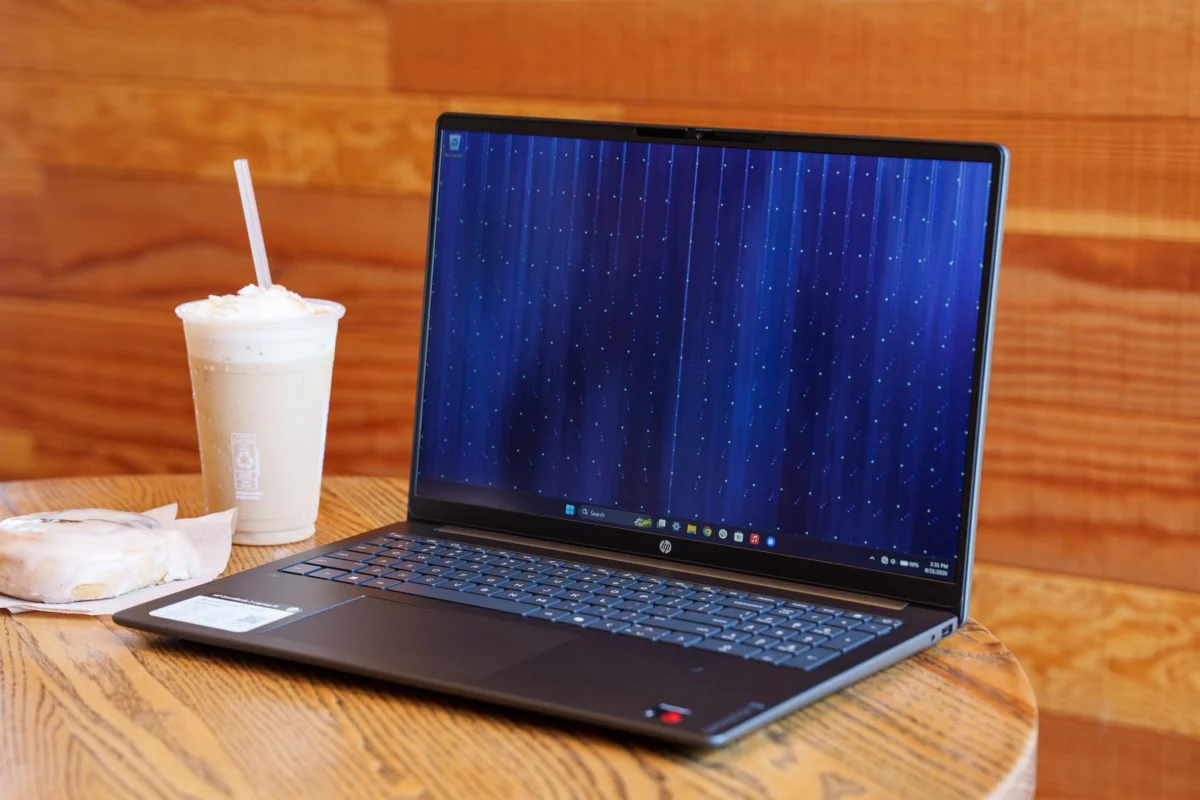
In a computing landscape increasingly defined by the escalating cost of essential components, a surprising contender has emerged, challenging the prevailing notion that a premium price tag is a prerequisite for adequate performance. The HP OmniBook 3, a surprisingly capable 16-inch laptop, demonstrates that prioritizing RAM capacity over superficial aesthetics can yield a significantly superior user experience, particularly in today’s inflated market.
The contemporary laptop industry finds itself in a peculiar predicament. Historically, the price differential between basic and premium laptops was largely dictated by build quality, display technology, and minor enhancements to chassis design, rather than core performance metrics. A $500 device might have offered a serviceable experience, while $900 could secure a truly refined machine, often featuring similar CPU, RAM, and storage configurations because these components were relatively inexpensive. However, a confluence of factors, colloquially termed "RAMageddon," has dramatically disrupted this equilibrium. The scarcity and rising cost of Random Access Memory (RAM) have forced manufacturers to make difficult choices, often resulting in compromises that directly impact user productivity. Even high-end devices, such as the Microsoft Surface Laptop, now begin their configurations with a mere 8GB of RAM, a capacity that is increasingly insufficient for demanding modern workloads. On the lower end of the market, manufacturers are pressured to compete with the allure of devices like the Apple MacBook Neo, leading to a race to the bottom where corners are cut not only on build materials but also on crucial processing power and storage.

Amidst this challenging environment, the HP OmniBook 3 stands as a beacon of pragmatic value. Regularly available for approximately $520 through major retailers like Walmart and Amazon, this 16-inch productivity-focused laptop offers a compelling proposition. It is powered by Qualcomm’s entry-level Snapdragon X processor, which delivers respectable everyday performance and exceptional battery longevity. While the display is decidedly utilitarian, the speakers are merely adequate, the trackpad functional rather than exceptional, and the chassis constructed from plastic, these are precisely the areas where cost savings are often implemented in budget-oriented machines. In a pre-RAMageddon era, such a device might have been overlooked as unremarkable. However, in the current market climate of 2026, the inclusion of 16GB of RAM and a 512GB solid-state drive (SSD) in a laptop priced around $500 represents a genuinely positive development.
The OmniBook 3, in its base configuration, is equipped with an 8-core Snapdragon X processor, 16GB of RAM, and a 512GB SSD, complemented by a 16-inch, 1920 x 1200 anti-glare IPS LCD. Despite its larger screen size, the OmniBook 3 maintains a commendable level of portability, its weight comparable to that of a 14-inch MacBook Pro. With a maximum thickness of 0.63 inches (16mm), it is also remarkably thin. This expansive display does not translate into an unwieldy form factor; the laptop feels surprisingly manageable. Furthermore, despite its plastic construction and accessible price point, the OmniBook 3 avoids the cheap, flimsy feel that can plague lower-cost alternatives.
While the allure of all-metal, elegantly designed laptops akin to the MacBook Neo is undeniable, there is a strong argument to be made for a greater proliferation of devices like the OmniBook 3. Its screen, keyboard, trackpad, and webcam are all at least competent, providing a satisfactory user experience without any standout features. Crucially, unlike some budget offerings that present a frustrating user experience, the OmniBook 3 avoids any significant drawbacks.

The 1920 x 1200 resolution display, operating at a standard 60Hz refresh rate, is not designed for professional color grading or outdoor use under direct sunlight, topping out at 300 nits of brightness and covering only about 62.5% of the sRGB color space. However, it remains free from the distracting light bleed or washed-out appearance that can mar lesser panels. The mechanical trackpad, while employing a conventional hinge design, offers a satisfyingly tactile and responsive click. The integrated 1080p webcam performs admirably, rendering a reasonably sharp image and effectively managing challenging backlighting conditions, exhibiting only a minor green tint. The inclusion of Windows Hello facial recognition is a welcome addition. Moreover, the OmniBook 3 boasts a generous array of ports, a significant advantage for a device of its size, and benefits from convenient USB-C charging powered by a compact 65W GaN adapter.
The dual speakers, as is often the case with budget laptops, are a notable weakness, lacking any significant bass response and leaning heavily towards treble. However, they are sufficiently functional for casual audio consumption. The keyboard, surprisingly, is another area where expectations might be tempered. While HP keyboards are typically well-regarded, this particular implementation feels somewhat stiff. Users who prefer a firm typing experience and appreciate a full-sized number pad might find it acceptable. However, for those accustomed to a more yielding key travel, there may be an increase in typing errors due to keys not registering consistently. While adaptable, it is not an ideal scenario for extended typing sessions.
The true triumph of the OmniBook 3 lies in its performance capabilities, particularly when juxtaposed with its price point. The 8-core Snapdragon X processor, while marginally slower in raw benchmarks than the chip found in the more expensive Surface Laptop, delivers a superior real-world experience. This advantage stems directly from the OmniBook 3’s ample 16GB of RAM and its faster 512GB SSD. Unlike lower-tier Snapdragon-powered laptops that can falter under multitasking demands, the OmniBook 3 maintains responsiveness even with numerous applications open, including dozens of Chrome tabs and a streaming video podcast. This fluidity is a stark contrast to the performance degradation observed on devices like the Surface Laptop or Chuwi UniBook, both equipped with only 8GB of RAM.

While the Snapdragon architecture may not position this Windows laptop as a primary gaming machine, it excels in power efficiency. Users can reasonably expect around 12 hours of mixed usage, encompassing web browsing and moderate audio or video streaming, on a single charge. This extended battery life is a significant boon for mobile professionals and students alike.
It is evident that HP has strategically allocated resources to the core components of the OmniBook 3, making calculated compromises in peripheral areas to achieve an impressive balance. While the superior build quality of devices like Microsoft’s Surface Laptops is appreciated, for a personal investment, the OmniBook 3 presents a more pragmatic choice. It liberates users from the constant anxiety of RAM limitations and offers substantial cost savings – over $400 in comparison to a similarly sized premium offering.
The arrival of the OmniBook 3, particularly in the context of the current market, feels like a breath of fresh air. Its affordability, coupled with a generally competent performance, evokes a sense of pleasant surprise. For individuals requiring a reliable workhorse that won’t cause frustration, this laptop is a strong contender. While a MacBook Neo might still offer a more holistic experience for younger students, the OmniBook 3 represents a significant cost-saving alternative, potentially bridging the gap for budget-conscious consumers who still require robust functionality.

A significant concern moving forward is the sustainability of such attractive pricing. While the market is anticipated to see an influx of sub-$800 laptops, the current price point of the OmniBook 3, and indeed the OmniBook 5 reviewed previously, feels exceptionally anomalous. The ongoing "RAMageddon" phenomenon poses a persistent threat to the affordability of such devices. However, for the present moment, the HP OmniBook 3 offers a welcome sanctuary of value in an increasingly challenging technological landscape.
HP OmniBook 3 16 Specifications (as reviewed):
- CPU: Qualcomm Snapdragon X (8-core)
- GPU: Adreno X1-45
- RAM: 16GB
- Storage: 512GB SSD
- Display: 16-inch, 1920 x 1200, IPS LCD, anti-glare, 60Hz, 300 nits
- Webcam: 1080p
- Battery: Up to 12 hours mixed usage
- Ports: 2x USB-C, 2x USB-A, HDMI, Audio Jack
- Operating System: Windows
- Price as tested: Approximately $520



 Lisa Mariana
 Safa Marwah
 Ayu Aulia